What is a Residential Solar System and How Does it Work?
Residential solar systems represent a significant shift towards sustainable energy solutions. As more homeowners seek to reduce their carbon footprint, the adoption of these systems has surged. John Smith, a leading expert in renewable energy, states, "Residential solar systems empower families to take control of their energy use." This highlights the growing trend of energy independence.
These systems comprise several key components: solar panels, an inverter, and battery storage. Solar panels capture sunlight, converting it into electricity. The inverter then transforms this electricity into a usable form for home appliances. Batteries store excess energy for later use, especially during cloudy days or at night. However, navigating the options can be complex and overwhelming for many homeowners.
Despite the benefits, challenges exist. Installation costs can be high, and not every home is ideal for solar panels. Homeowners must also consider local regulations and incentives. Education is crucial, yet many still lack access to reliable information. As the market evolves, understanding the intricacies of residential solar systems becomes vital for informed decisions. Embracing this technology involves both optimism and critical evaluation.
What is a Residential Solar System?
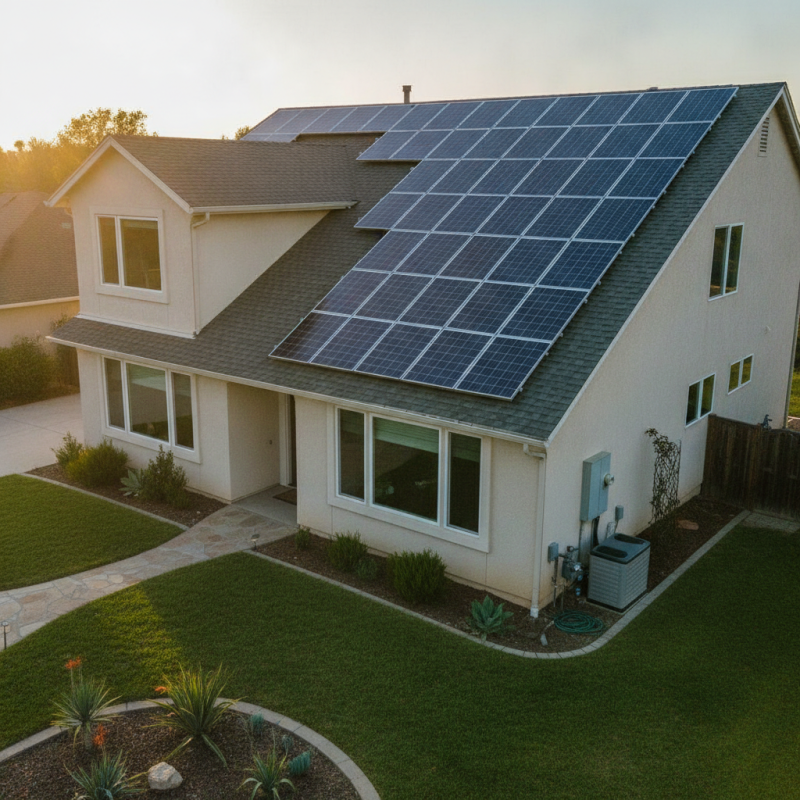
A residential solar system harnesses sunlight to generate electricity for homes. It consists of solar panels, inverters, and batteries. Solar panels capture sunlight and convert it into direct current (DC) electricity. The inverter changes that DC electricity into usable alternating current (AC) electricity for home appliances.
According to the Solar Energy Industries Association, the U.S. solar market has grown by over 167% in the last decade. This rapid growth reflects increased adoption of residential solar systems. By 2023, around 1 in 10 homes in the U.S. has solar installations. Homeowners are drawn to the potential for energy savings and the reduction of carbon footprints. However, the initial installation costs can be high, and not all homes are suitable for solar due to shading or roof orientation.
Despite the benefits, challenges remain. The efficiency of solar panels can vary significantly. Some homeowners may find their systems do not produce as much energy as expected. Maintenance is also necessary to ensure optimal performance. All these factors should be considered when evaluating a residential solar system. Understanding these elements is crucial for homeowners making informed decisions about solar energy investments.
Key Components of a Residential Solar System
A residential solar system typically consists of several key components that work together to harness solar energy. The most important part is the solar panels. These panels capture sunlight and convert it into electricity. According to the U.S. Department of Energy, solar panel efficiency has improved significantly, averaging around 20% as of 2021. This means more energy from the same amount of sunlight.
In addition to solar panels, an inverter is crucial. It converts the direct current (DC) generated by the panels into alternating current (AC), which powers household appliances. This conversion process is essential because most homes run on AC power. A report from the National Renewable Energy Laboratory states that inverter technologies have evolved, enhancing their efficiency over time.
Battery storage is another component worth noting, though it's often overlooked. Batteries store excess energy for use during cloudy days or at night. However, battery systems can be pricey, and their capacity may not meet all energy needs. A study shows that about 20% of residential solar systems include batteries, reflecting a growing trend but also highlighting a gap in energy independence for many users.
Energy Production of a Residential Solar System
This bar chart illustrates the monthly energy production of a typical residential solar system throughout the year. The data represents the energy (in kilowatt-hours) produced by solar panels from January to December, showing a peak in the summer months and a decline in winter.
How a Residential Solar System Generates Electricity
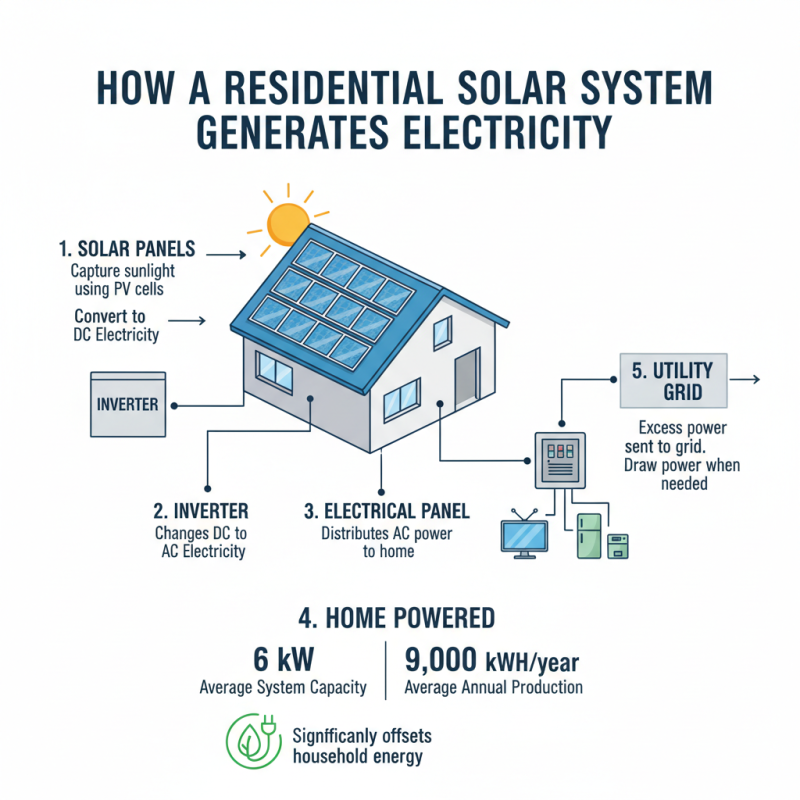
A residential solar system generates electricity through a straightforward process involving sunlight. It begins with solar panels, made up of photovoltaic (PV) cells that capture sunlight and convert it into direct current (DC) electricity. According to the U.S. Department of Energy, the average household solar system has a capacity of about 6 kW, producing around 9,000 kWh annually. This can significantly offset household energy consumption.
The DC electricity produced is then sent to an inverter, which converts it into alternating current (AC) electricity. This is the form of electricity commonly used in homes. A well-sized residential solar system can meet most, if not all, of a homeowner’s energy needs. However, the efficiency of solar panels can fluctuate based on factors like location, weather, and installation conditions. For instance, solar panels typically convert only 15-22% of sunlight into usable electricity.
Other challenges arise during maintenance. Periodic cleaning is essential for optimal performance. Dust, leaves, and snow can block sunlight, reducing efficiency. Homeowners must also consider energy storage solutions, like batteries, to utilize excess energy during non-production hours. As the solar market evolves, being informed is crucial for making cost-effective decisions.
Benefits of Installing a Residential Solar System
Installing a residential solar system presents numerous benefits for homeowners. A recent study by the National Renewable Energy Laboratory shows that solar panels can increase property values by up to 4%. This is significant, especially in urban areas where energy expenses are high. Additionally, homeowners can save on monthly utility bills. On average, solar energy systems can reduce energy costs by 20% to 50%. Such savings accumulate over time, allowing homeowners to invest in other areas.
Environmental sustainability is another critical advantage. The U.S. Environmental Protection Agency estimates that residential solar installations can reduce carbon emissions by up to 100 tons over 30 years. This reduction is vital in combating climate change. However, the initial investment for solar panels can be daunting, often leading to a need for financing. It’s important for potential solar users to weigh the costs against long-term benefits and incentives.
While solar technology has made strides, challenges remain. Energy production can be inconsistent, heavily reliant on sunlight. Homeowners need to consider geographic and weather factors when selecting a solar system. Additionally, maintenance is necessary to keep the system efficient. Regular check-ups can be overlooked, resulting in decreased performance. Balancing these elements is crucial for maximizing the effectiveness of a residential solar system.
What is a Residential Solar System and How Does it Work? - Benefits of Installing a Residential Solar System
| Dimension |
Description |
Benefits |
| Solar Panels |
Devices that convert sunlight into electricity using photovoltaic cells. |
Reduce electricity bills; renewable energy source. |
| Inverter |
Converts direct current (DC) produced by solar panels into alternating current (AC) used in homes. |
Enables home appliances to use solar energy; increases system efficiency. |
| Battery Storage |
Stores excess energy generated during the day for use at night or during outages. |
Provides backup power; maximizes energy independence. |
| Mounting System |
Framework that holds solar panels in place, either on rooftops or on the ground. |
Ensures durability and optimal positioning; simplifies installation. |
| Net Metering |
A billing arrangement that credits solar energy system owners for the electricity they add to the grid. |
Increases financial savings; incentivizes solar adoption. |
Common Misconceptions About Residential Solar Systems
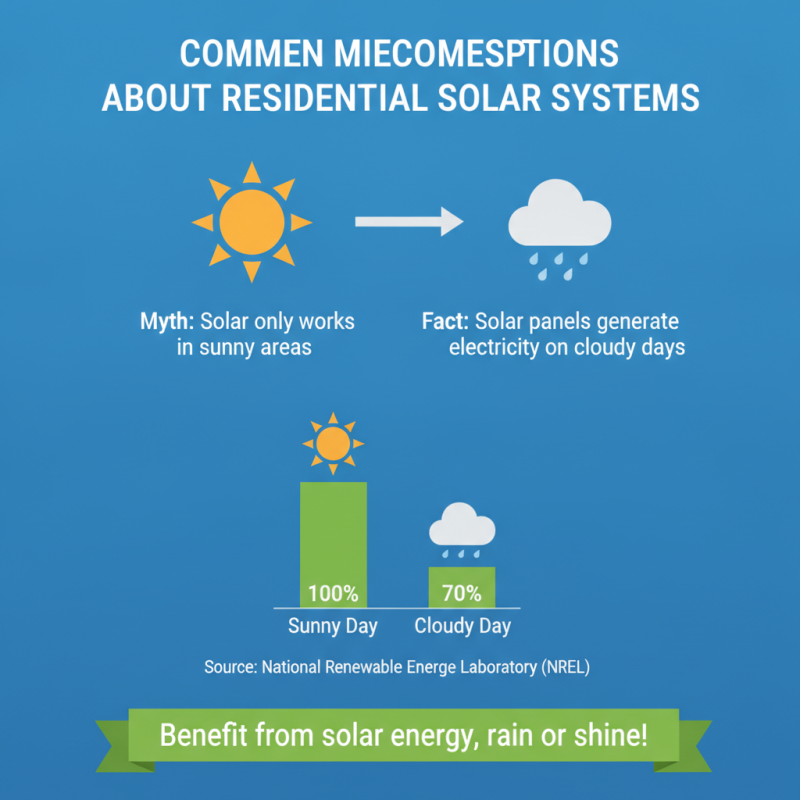
Residential solar systems are often misunderstood. Many people think they only function in sunny areas, but that's not true. Solar panels can still generate electricity on cloudy days. Data from the National Renewable Energy Laboratory shows that solar systems can produce around 70% of their rated capacity in less-than-ideal weather conditions. This means that even in less sunny regions, homeowners can benefit from solar energy.
Another misconception is the belief that solar systems require excessive maintenance. In reality, solar panels are quite durable. They only need periodic cleaning and a yearly inspection. A study by the Solar Energy Industries Association revealed that most solar systems last over 25 years with minimal issues. Regular maintenance can catch potential problems early, preventing costly repairs.
Tip: Consider hiring a professional to clean your solar panels once a year.
Some people worry that solar energy is not cost-effective. While initial installation costs can be high, many states offer incentives and rebates. These can offset expenses significantly. Over time, homeowners can save on their electricity bills. This data underscores the long-term financial benefits of investing in solar energy.
Tip: Research local incentives before deciding on a solar system. Knowing your options helps you make informed decisions.