How to Choose the Right Residential Solar Panels for Your Home?
Choosing the right residential solar panels can be daunting. With numerous options available, homeowners often feel overwhelmed. According to a recent report by the Solar Energy Industries Association (SEIA), residential solar installations grew by 23% in 2022. This rapid growth reflects the rising demand for clean energy solutions. Experts emphasize the importance of making informed decisions in this landscape.
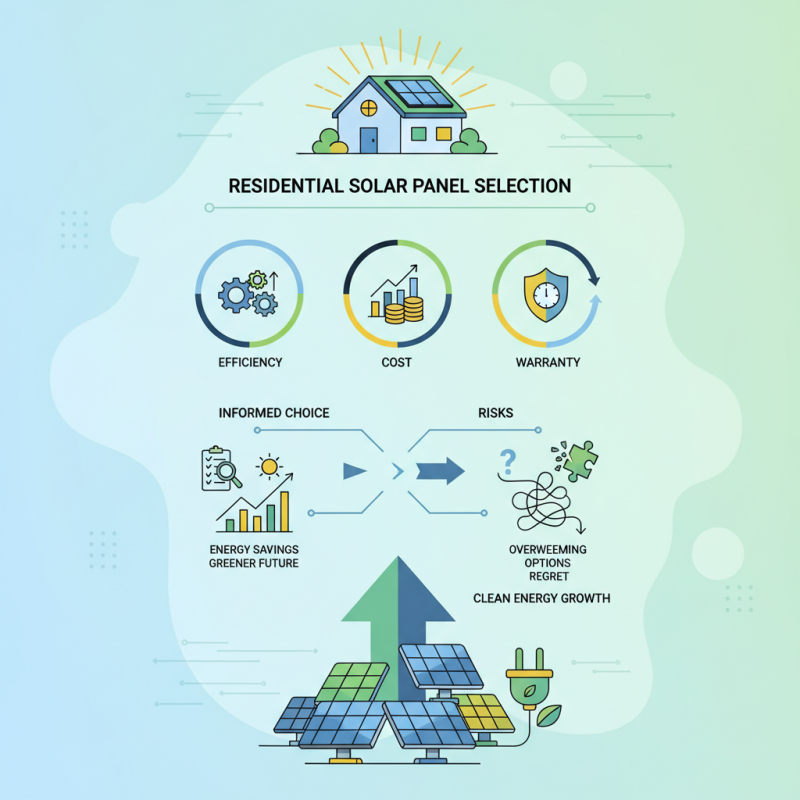
Dr. Amanda Smith, a leading expert in solar technology, once stated, "Selecting the appropriate solar panels directly influences energy efficiency and savings." Her insight underscores the critical nature of this choice. Factors like panel efficiency, cost, and warranty must be considered. Not all panels deliver the same performance, leaving room for mistakes in selection.
Potential buyers may find themselves overwhelmed by technical jargon and varying claims. Some panels might not meet long-term energy needs, resulting in regret. Understanding how to navigate these complexities is essential for maximizing efficiency and return on investment in residential solar panels. A careful approach can yield significant benefits and contribute to a greener future.
Understanding the Basics of Residential Solar Panels
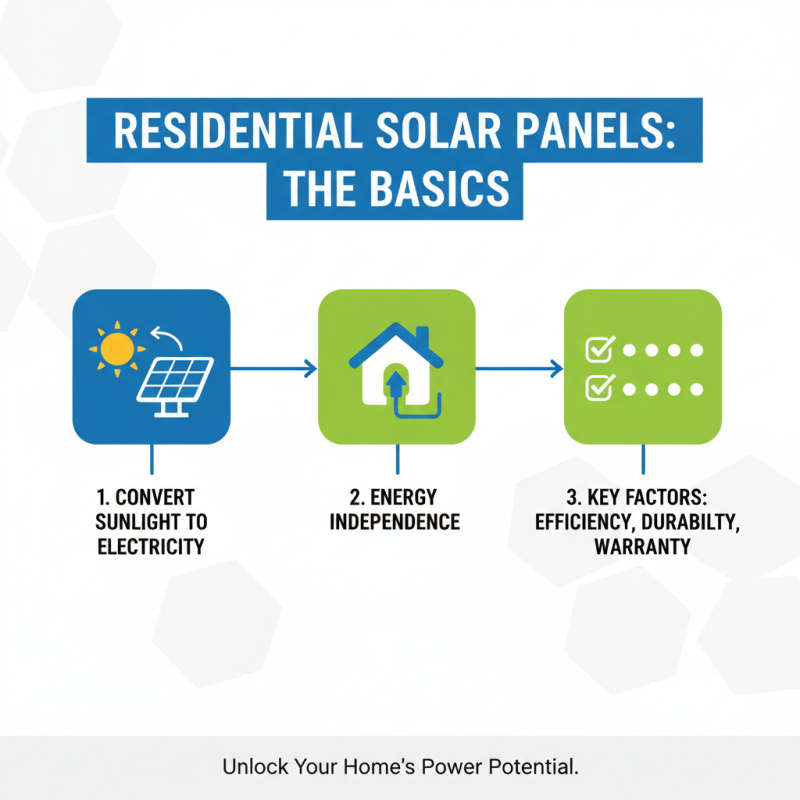
Choosing the right residential solar panels involves understanding the fundamental components. These panels convert sunlight into electricity, making them essential for energy independence. However, not all panels are the same. Factors such as efficiency, durability, and warranty matter.
When considering solar panels, pay attention to the efficiency rating. This reflects how much sunlight is converted to electricity. Higher efficiency means more energy production for your home. Look for panels rated above 15%.
Tips: Check durability ratings to ensure long-lasting performance. Solar panels should withstand harsh weather. A reliable warranty period, usually around 25 years, indicates manufacturer confidence.
It's also important to assess your energy needs. Calculate your average energy consumption to determine how many panels are necessary. Oversizing can lead to unnecessary costs, while undersizing may not meet your needs.
As you compare options, research local incentives and installation costs. Prices can vary widely based on location and provider. Be cautious of promises that sound too good to be true. Always seek multiple quotes to gauge the market. Aim to make an informed decision that reflects both your financial goals and energy requirements.
Evaluating Your Home's Energy Needs and Solar Potential
Evaluating your home's energy needs is critical when considering solar panels. Start by reviewing your monthly electricity bills. Identify your average consumption in kilowatt-hours (kWh). According to the U.S. Energy Information Administration, the average American home uses about 877 kWh per month. This figure helps determine how much solar power you need.
Next, assess your solar potential. This involves analyzing your roof’s orientation and shading. South-facing roofs typically capture more sunlight. Trees and buildings can create shade, reducing efficiency. The National Renewable Energy Laboratory (NREL) states that unshaded areas can produce up to 25% more energy than shaded ones. It’s also beneficial to consider local weather patterns. Regions with more sunny days yield higher solar energy production.
Additionally, think about future energy needs. Are you planning to add appliances or electric vehicles? These will increase overall consumption. A National Renewable Energy Laboratory report indicates that solar systems can offset nearly 80% of electricity bills in ideal conditions. Yet, not all homes will achieve this. It’s essential to tailor your solar system to your unique situation for optimal results.
How to Choose the Right Residential Solar Panels for Your Home?
| Criteria |
Description |
Recommended Value |
| Energy Needs |
Total monthly energy consumption in kilowatt-hours (kWh). |
800 - 1200 kWh |
| Solar Potential |
Amount of sunlight your area receives (average peak sun hours per day). |
4 - 7 hours/day |
| Roof Size |
Available space on your roof for solar panel installation. |
200 - 400 sq ft |
| Panel Efficiency |
Percentage of energy converted from sunlight into usable electricity. |
15% - 22% |
| Budget |
Total cost of solar panel system including installation. |
$15,000 - $30,000 |
| Incentives |
Federal or state tax credits, rebates, or incentives for solar installation. |
Up to 30% of total cost |
Types of Solar Panels: Monocrystalline, Polycrystalline, and Thin Film
When choosing solar panels, understanding the types available is crucial. The three main types are monocrystalline, polycrystalline, and thin film. Each type has unique characteristics that may suit different needs.
Monocrystalline panels are known for their efficiency and space-saving design. They are made from a single crystal structure, which allows for higher energy conversion rates. This means they perform well in smaller spaces. However, their upfront cost can be higher than other types. You might struggle with the initial investment, especially if budget constraints are present.
On the other hand, polycrystalline panels are made from multiple crystal structures. They are less efficient but more affordable. If you have more space and want to save money, this could be a better option. Thin film panels offer flexibility and ease of installation. However, they usually have a lower efficiency rate. This might be a compromise if space is limited. Each option has its merits and drawbacks. Reflect on your specific needs to make a well-informed choice.
Comparison of Different Types of Residential Solar Panels
Assessing Solar Panel Efficiency and Warranty Options
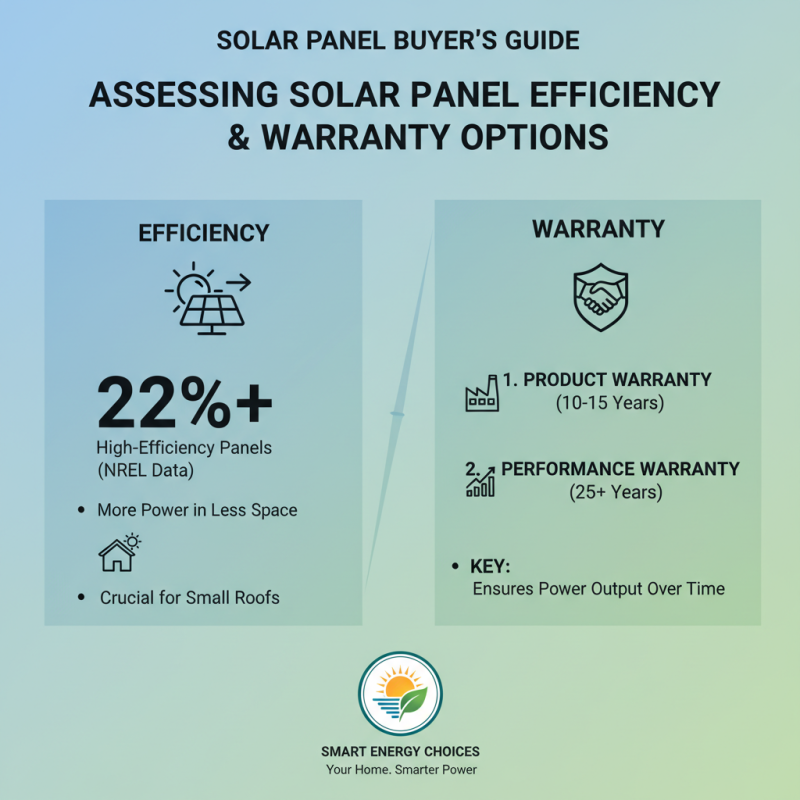
When choosing residential solar panels, efficiency and warranty options are crucial factors. Solar panel efficiency measures how well a panel converts sunlight into electricity. According to the National Renewable Energy Laboratory (NREL), high-efficiency panels can exceed 22% efficiency. This means they produce more energy in less space. For smaller roofs, this is especially important.
Warranties also play a significant role in the decision-making process. Many manufacturers offer 25-year warranties on performance and materials. A recent report by the Solar Energy Industries Association (SEIA) states that panels with longer warranties tend to indicate higher quality. This means less likelihood of defects. However, not all warranties are created equal. Reading the fine print is essential. What is covered? How easy is it to claim? These questions can impact your overall investment.
While high efficiency is appealing, it's vital to consider various brands and reviews. A study from EnergySage highlighted that around 30% of users regret focusing solely on efficiency. Instead, they wish they had prioritized customer service and support. Balancing efficiency with reliability often leads to better long-term results.
Comparing Installation Costs and Financing Solutions for Solar Systems
When selecting residential solar panels, installation costs play a crucial role. These costs can vary widely based on your location and the system's complexity. On average, homeowners can expect to pay anywhere between $15,000 to $30,000 for a complete installation. This price may seem daunting, but it’s vital to understand the long-term savings on electricity bills. Additionally, incentives may be available to reduce upfront expenses.
Financing options also deserve careful consideration. Homeowners can consider solar loans, leases, or power purchase agreements (PPAs). Each option has its pros and cons. Loans typically offer ownership benefits, while leases may provide lower initial costs. However, not all financing solutions are equally favorable.
Tips: Always compare quotes from multiple installers. Keep an eye on additional fees that may arise. Understanding your energy needs will help you choose the best system without overspending. Research available incentives, such as tax credits or rebates. This knowledge can significantly impact your overall budget. Reflect on the potential return on investment. It's essential not to rush your decision; weigh all factors before committing to a choice.