Best Residential Solar Systems for Your Home Savings?
Considering the rising costs of energy, many homeowners are exploring residential solar systems. These systems not only provide renewable energy but also enable significant savings on electricity bills. In recent years, advancements in technology have made solar panels more efficient and affordable.
Homeowners often report various experiences with different solar providers. Some find reliable systems that meet their needs, while others face challenges with installation and customer service. Choosing the right system can be daunting. Researching and comparing options is crucial for long-term investment.
Residential solar systems vary widely in quality and performance. Understanding how to evaluate these options can lead to informed decisions. While the benefits are clear, potential buyers should remain mindful of their unique circumstances and energy needs. This path offers opportunities, but it also requires thorough consideration and reflection.
Understanding Residential Solar Systems: A Comprehensive Overview
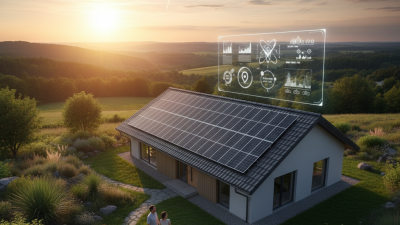
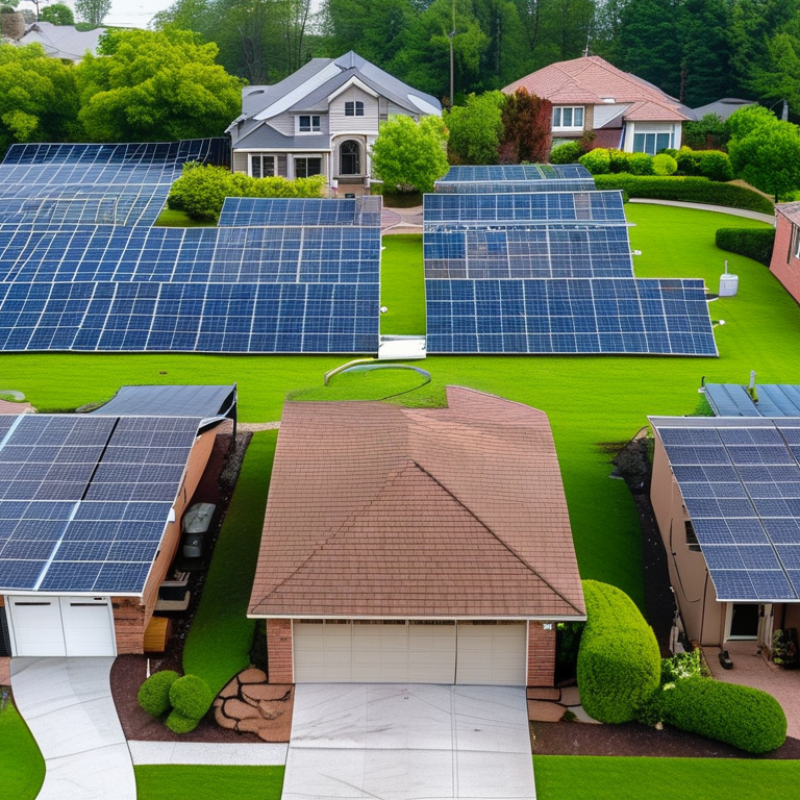
Residential solar systems are an excellent option for homeowners aiming to reduce energy costs. A solar system harnesses sunlight to generate electricity. This renewable energy source can lead to significant savings over time. However, understanding the components of these systems is essential for making informed decisions.
Solar panels are the most visible parts of a system, converting sunlight into electricity. Additionally, an inverter changes the DC electricity generated by panels into AC electricity for home use. A battery can store excess energy during sunny days for use when the sun isn’t shining.
Thinking about installation costs is crucial. While upfront expenses can be high, many states offer incentives. These can significantly lower the financial barriers. Yet, some homeowners may find themselves confused by varying tax credits and rebates. It’s important to conduct thorough research and consult with experts to navigate these complexities. Each home has unique energy needs and roof conditions that impact solar efficiency. Engaging with knowledgeable professionals ensures a tailored approach to residential solar systems.
Key Benefits of Installing Solar Panels for Homeowners
Homeowners are increasingly considering solar panels. Installing solar systems can lead to significant savings over time. The initial investment might seem high, but benefits abound.
One major advantage is reduced electricity bills. Generating your own power means less reliance on your utility provider. Homeowners might not realize how much they can save until they see the numbers. Additionally, solar panels can increase property value. Potential buyers often view homes with solar installations as more attractive.
However, it's essential to consider potential drawbacks. Not all homes may be ideal for solar. Factors like roof orientation and shading play a role. Some homeowners may feel overwhelmed when researching options. It's crucial to gather reliable information and consult with experts. This ensures that decisions are well-informed and suited to individual needs.
Factors to Consider When Choosing Solar Systems for Your Home
Choosing the right solar system for your home involves several important factors. Start with your energy needs. Assess how much energy you consume monthly. This information helps determine the system size. A larger system generates more power but costs more. It's essential to find a balance.
Consider the solar panel types available. Monocrystalline, polycrystalline, and thin-film panels each have unique characteristics. For instance, monocrystalline panels are more efficient but come at a higher price. Think about space, too. Some panels require more room for installation. This aspect can be a limiting factor.
Don't overlook installation costs and warranties. Reliable professionals ensure the system operates efficiently. Choosing reputable installers adds to your peace of mind. Warranties protect your investment, but not all warranties are equal. Review the terms carefully. Keep an eye on potential local incentives and rebates. These can significantly reduce overall expenses.
Top Residential Solar System Brands and Their Features
When considering residential solar systems, homeowners often face a dizzying array of options. Leading industry reports indicate that the demand for residential solar systems has surged by over 20% in recent years. This growth is driven by rising energy costs and increasing environmental awareness. For instance, a recent study found that installing solar panels can reduce energy costs by up to 70%, making it an attractive investment.
Key features to evaluate in solar systems include efficiency ratings, warranties, and adaptability. High-efficiency panels, typically rated above 20%, can generate more power per square foot. Some brands offer extensive warranties, often exceeding 25 years, which reflects their confidence in durability. However, not all systems measure up. Some lower-end models struggle with real-world performance, highlighting the importance of research.
Reliability is equally crucial when choosing a solar system. Homeowners should examine performance data and customer reviews. Reports indicate that systems with a lower degradation rate can maintain 90% of their capacity after 25 years. In contrast, others may lose over 20% in the same timeframe. Investing in a quality solar system not only aids in energy savings but also contributes positively to sustainability efforts.
Best Residential Solar Systems for Your Home Savings
| System Type |
Efficiency (%) |
Warranty (Years) |
Average Cost ($/W) |
Ideal for |
| Monocrystalline |
15-22 |
25 |
2.50 |
Small roofs |
| Polycrystalline |
13-16 |
25 |
2.00 |
Budget-conscious |
| Bifacial |
17-22 |
30 |
3.00 |
High performance |
| Thin-Film |
10-13 |
10-15 |
1.00 |
Flexible applications |
| Solar Roof Tiles |
16-20 |
25 |
4.00 |
Aesthetics |
Calculating Savings and Return on Investment from Solar Energy Systems
When considering solar energy systems for your home, calculating savings is essential. Start by assessing your current electricity bills. Track your monthly usage for a year. Multiply this by your local utility rate. This gives you a clear picture of annual energy costs.
Next, consider the costs associated with installing a solar system. Factor in installation, maintenance, and potential permits. While the savings can be significant, upfront costs may deter some homeowners. It's crucial to analyze these financial commitments closely. Many systems pay for themselves in 5 to 10 years, but variations exist based on location and energy consumption.
Return on investment (ROI) requires careful thought. A typical solar system can generate 10 to 20 percent savings on energy bills annually. These figures depend on sunlight exposure and energy needs. Reflect on how long you plan to stay in your home before investing. If you move often, consider whether this investment aligns with your goals. This pragmatic approach aids in making informed decisions about solar energy adoption.