Top Benefits of Solar Panels for Your Home Today?
The rise of solar panels presents numerous advantages for homeowners today. Experts in the renewable energy sector, like Dr. Emily Carter, emphasize the importance of sustainability. She states, "Investing in solar panels isn't just a trend; it's a commitment to a cleaner future."
Solar panels can significantly reduce energy bills. Imagine producing your own electricity while minimizing your reliance on the grid. The initial costs may seem daunting, but many homeowners witness substantial savings in the long run. Solar panels can increase property value too, capturing the interest of eco-conscious buyers.
However, adopting solar technology comes with its challenges. Not all homes are ideal candidates. Factors like location and roof orientation can affect efficiency. Homeowners must research thoroughly and seek expert advice. Failure to do so might lead to underperformance and disappointment. Embracing solar energy requires careful consideration, yet the potential benefits make it worth exploring.
Understanding Solar Panels: How They Work and Their Components
Solar panels are a transformative technology used in homes today. At the core, solar panels consist of photovoltaic (PV) cells. These cells convert sunlight into electricity. The process involves absorbing photons and releasing electrons, creating an electric current. The efficiency of these panels can vary. On average, modern solar panels have an efficiency rate of around 15-20%, according to research by the National Renewable Energy Laboratory.
Each solar panel typically comprises multiple components. These include PV cells, an inverter, and a mounting system. The inverter is crucial because it converts direct current (DC) into alternating current (AC), which powers your home. A study from the Solar Energy Industries Association emphasizes that the installation of a solar energy system can reduce electricity bills by up to 70%. However, not every home is a perfect candidate for solar. Factors like roof orientation and shading can significantly impact system performance.
It's vital to evaluate the financial aspects as well. While solar energy can lead to savings, the initial investment can be considerable. Installation costs for residential solar can range from $15,000 to $25,000, depending on system size and local incentives. Homeowners should also consider maintenance. While generally low, occasional cleaning and inspection are necessary. An informed decision involves weighing potential savings against these variables.
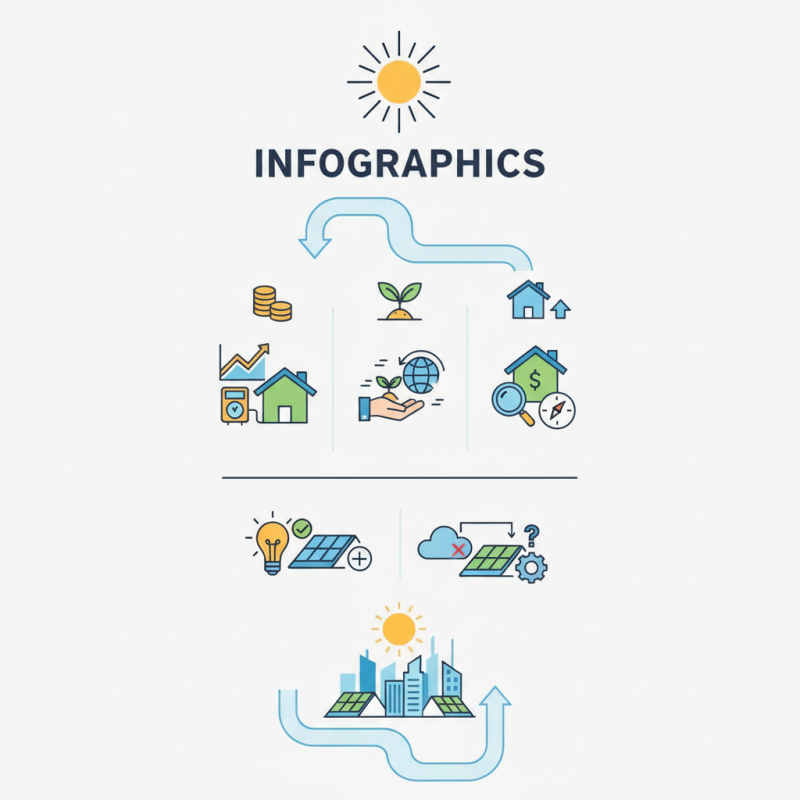
Top Benefits of Solar Panels for Your Home Today
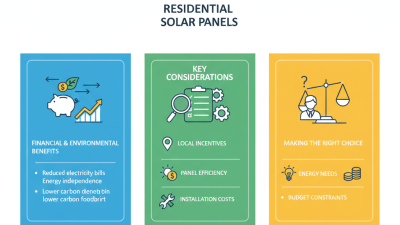
This chart demonstrates the top benefits of solar panels for residential properties based on energy savings, environmental impact, and return on investment.
The Environmental Benefits of Using Solar Energy in Your Home
Using solar energy in your home offers significant environmental benefits. Solar panels generate clean energy, reducing reliance on fossil fuels. Reports show that by converting to solar, homeowners can cut their carbon footprint by 80%. This change helps combat climate change and lowers greenhouse gas emissions.
Another advantage of solar energy is water conservation. Traditional electricity generation requires massive water use for cooling. In contrast, solar panels utilize little to no water. According to the National Renewable Energy Laboratory, solar energy could save billions of gallons of water annually. This has a positive impact on ecosystems that rely on clean water resources.
Tips: Consider your roof’s orientation before installation. A south-facing roof typically receives the
most sunlight. Also, check for shading from trees or buildings. Even a small blockage can reduce efficiency. Regular maintenance is key. Cleaning your panels can ensure they operate at peak performance. Remember, while solar is beneficial, it requires an
upfront investment. Evaluating your financial situation is essential before making a commitment.
Financial Advantages: Cost Savings and Incentives for Solar Installation
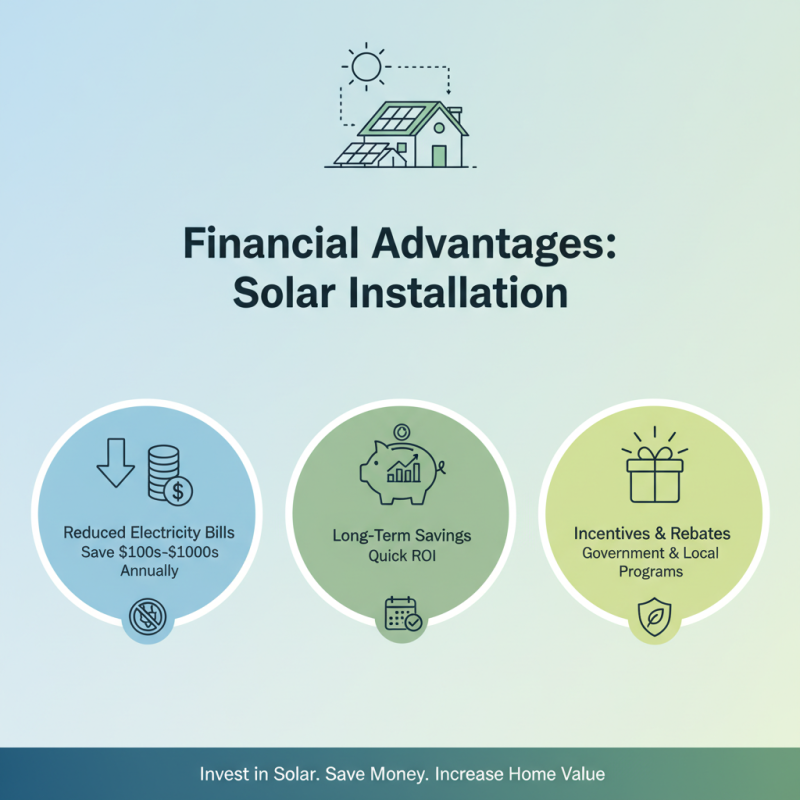
Solar panels offer numerous financial advantages for homeowners. The initial investment can be daunting, but savings quickly add up. Reduced electricity bills are a significant benefit. With sunlight powering your home, your reliance on the grid decreases. This leads to lower monthly expenses. Some homeowners report savings of hundreds or even thousands each year.
Incentives can further enhance these savings. Many regions offer tax credits or rebates for solar installations. These programs can significantly lower your upfront costs. For example, a tax credit might cover a percentage of your installation. Research local incentives thoroughly to maximize your benefits. You might find unexpected opportunities to save.
Tips for homeowners: Have a detailed budget before installation. Know what your long-term savings will look like. Additionally, evaluate different financing options. Some require no money down, making solar more accessible. Be sure to compare rates and terms carefully. This can make a difference in your savings journey. Remember, investing in solar isn’t just a financial move; it’s an investment in a sustainable future.
Increasing Home Value: How Solar Panels Affect Property Prices
Solar panels have become popular for homeowners looking to increase property value. They offer a range of financial benefits. Installing solar panels can reduce electricity bills significantly. In many cases, the savings add up to thousands over time. This financial advantage often appeals to potential buyers, leading to higher offers.
Homeowners should also consider how solar panels influence property prices. Recent studies indicate that homes with solar energy systems sell at a premium. This increase can be anywhere from 3% to 5% over similar homes without solar. Buyers recognize the long-term savings and eco-friendly benefits, which enhance perceived value.
However, not all areas see the same increase. The local market determines how much value solar panels add. Some homes may not experience significant price changes. Homeowners should research their local market before investing. Understanding potential drawbacks is crucial. Solar panels require regular maintenance and might not appeal to every buyer.
Common Misconceptions About Solar Energy and Its Efficiency
Many people hold misconceptions about solar energy and its efficiency. One common belief is that solar panels only work in sunny climates. In reality, they can generate power even on cloudy days. They capture diffused sunlight, so regions with less sun can still benefit.
Another myth involves the notion that solar panels require too much maintenance. In fact, they are quite low-maintenance. Regular cleaning and occasional inspections are usually sufficient.
People often underestimate the savings solar energy can provide. While installation costs can be high, many homeowners find long-term savings on energy bills. It's essential to do your research and weigh the initial financial outlay against future benefits. Energy independence is attractive, but it is crucial to reflect on factors like installation space and energy needs before committing.