Top Residential Solar Systems for Global Buyers
Choosing rooftop solar begins with the home, not a sales brochure. Roof shape, local sunlight, electricity prices, and backup needs all matter. A compact house on a cloudy coast may need a different setup from a sunlit home with an electric vehicle. This guide explores residential solar systems for buyers comparing options across markets. No single product fits every household.
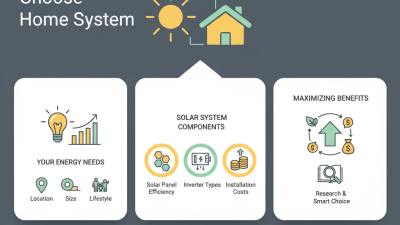
We examine practical features, including panel efficiency, inverter design, battery capacity, monitoring tools, warranties, and installation support. An advertised output is only a starting point. Shade from a chimney, hot roof tiles, or a late-afternoon appliance load can affect actual production. Small details count. Buyers can compare usable energy, expected performance, and service access—not just headline wattage. It also helps to consider how a system may accommodate future needs, such as added storage or a home charger. Plans change.
Equipment requirements, incentives, and grid arrangements vary by location. Confirm product specifications with manufacturer documentation and discuss roof conditions with qualified local installers. Published performance figures may reflect ideal test conditions, while costs and service availability can change. That deserves a second look. There is no perfect shortlist, and a battery is not automatically worthwhile for every home. The sections ahead provide a practical framework for weighing trade-offs, asking clearer questions, and matching equipment to real household energy use. The goal is informed comparison, not a promise of savings.
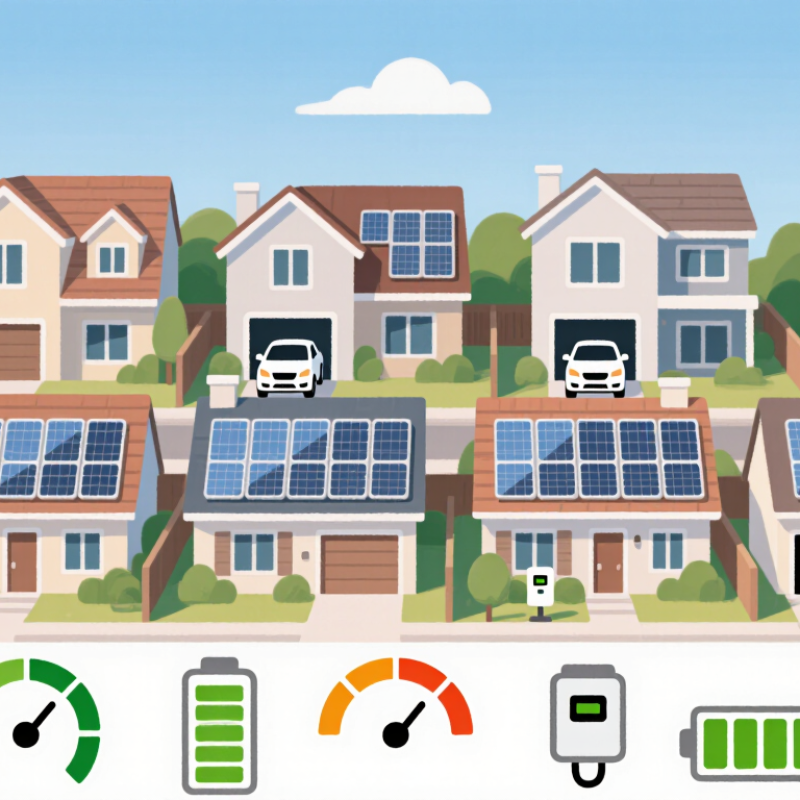
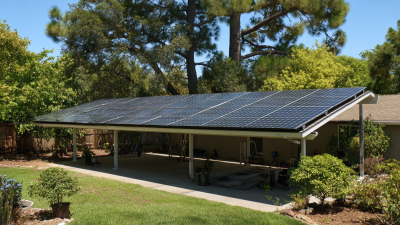
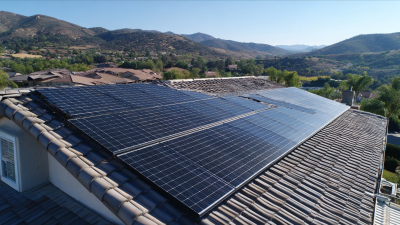
On a clear morning, rooftop panels absorb sunlight and produce direct-current electricity. Photovoltaic cells do the conversion. An inverter changes that current into alternating current, which household appliances can use. That power may run a refrigerator, lights, or a kettle while the sun is shining. Small detail, big difference. If the panels produce more electricity than the home needs, the surplus may charge a battery or flow to the grid, depending on the system setup. Output still shifts throughout the day. Clouds, nearby trees, roof direction, and even a chimney’s shadow can reduce generation.
Household demand changes too. When panels produce less than the home is using, stored battery power or grid electricity can fill the gap. Without a battery, a home usually draws more electricity from the grid after sunset. During an outage, a standard grid-connected system normally shuts down unless approved backup equipment can safely isolate the home. Monitoring displays can show production and use, though readings are estimates and may lag. A sunny-day reading is useful, but it is not a promise of year-round output. Real roofs are rarely perfect, so system sizing should account for local weather, shading, and actual household consumption.
Residential solar systems generally fall into three types: grid-connected, hybrid, and off-grid. Grid-connected panels supply household loads and can export surplus electricity where local arrangements allow. They usually cost less because they need no battery. But outages may still shut them down.
Hybrid systems pair panels with batteries and a grid connection. A battery can keep selected circuits running after sunset or during an outage, depending on system design. Off-grid systems operate independently, using batteries and often a backup generator. They suit remote homes, but sizing requires careful attention to seasonal sunlight and household demand. A small winter shortfall matters.
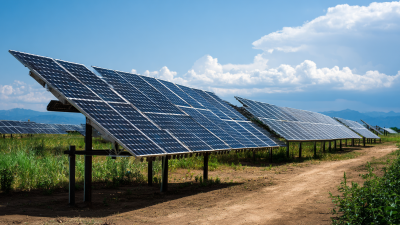
The IEA PVPS report Snapshot of Global PV Markets 2024 estimated worldwide solar photovoltaic capacity at about 1.6 terawatts by the end of 2023. This figure covers all system sizes, not residential installations alone, but it shows the scale of the technology.
Tips: Check the roof’s afternoon shade, note major loads such as pumps or heating, and compare usable battery capacity—not just its advertised size. A practical design may still miss the mark if consumption estimates are too optimistic.
A residential solar system performs as well as its connected components allow. Modules convert sunlight into direct-current electricity; their output depends on cell quality, temperature, shading, and installation angle. NREL researchers’ review of nearly 2,000 photovoltaic degradation rates found a median decline of about 0.5% per year. That figure is a useful benchmark, not a promise for every roof. A chimney shadow can matter more than a small difference in a module’s rated output.
The inverter converts direct current into household-usable alternating current and can limit system output if poorly matched to the array. Mounting rails hold modules against wind and weather, while correctly sized cables, connectors, and protective devices help manage electrical and thermal risks. Not glamorous, but vital. A battery stores surplus energy for later use, though its value depends on household consumption and local conditions. Monitoring equipment can reveal underperformance, but readings need context: a cloudy afternoon is not a fault. The IEA PVPS Trends 2024 report documents the rapid expansion of global solar capacity, yet a large market does not make every component equally reliable. Check warranties, compatibility, and installer documentation. I would still ask how the system handles partial shading; that detail is easy to overlook.
| System Component | Primary Role | Influence on System Performance | Key Selection Considerations | Typical System Fit |
|---|---|---|---|---|
| Photovoltaic (PV) modules | Convert sunlight into direct-current (DC) electricity. | Module output, temperature response, shading behavior, and long-term degradation affect the energy the array can produce. | Compare rated power, module efficiency, temperature coefficient, mechanical-load rating, product warranty, and certification required in the installation market. | All solar-electric systems. |
| Inverter | Convert PV-generated DC electricity into alternating-current (AC) electricity for household loads or grid export. | Conversion efficiency, operating range, and response to changing sunlight affect usable energy and system availability. | Choose a grid-tied, hybrid, or off-grid design to match the system. Confirm compatibility with the array, battery (if used), local grid requirements, and utility rules. | All systems; inverter architecture depends on whether storage or off-grid operation is required. |
| Mounting and racking | Secure modules to a roof or ground structure at the intended orientation and tilt. | Correct positioning supports energy capture; secure installation helps protect the array against wind, snow, and other site loads. | Match the mounting method to roof material, structure, local wind and snow design loads, corrosion exposure, and installation requirements. | All systems; hardware varies by roof, ground, and regional conditions. |
| Battery energy storage | Store electricity for later use, such as during nighttime or a grid outage when the system is designed for backup. | Usable capacity, charge and discharge limits, operating temperature, and conversion losses determine how much stored energy is available to loads. | Check usable capacity, continuous and peak power, chemistry, permitted operating temperatures, warranty conditions, and compatibility with the inverter and backup design. | Hybrid and off-grid systems; optional in many grid-connected installations. |
| Charge controller | Regulate power from the PV array to a battery and help prevent inappropriate charging or discharging. | Correct voltage and current matching supports safe battery charging and effective energy transfer. | Confirm the controller type and electrical limits match the PV array and battery. Some hybrid inverters include a charge controller. | Common in off-grid systems; used in some hybrid configurations, but not required as a separate device in every system. |
| DC and AC protection equipment | Provide appropriate isolation and overcurrent or surge protection on the relevant parts of the system. | Correctly selected and installed protection supports safe maintenance and helps manage electrical faults and surges. | Use equipment rated for the system's voltage, current, environment, and applicable electrical codes. Required devices vary by design and jurisdiction. | All systems, with equipment and arrangement determined by system architecture and local regulations. |
| Wiring and connectors | Carry electrical power between modules, inverters, batteries, protection devices, and the building connection point. | Appropriate conductor sizing and sound connections help limit voltage drop, resist heating, and maintain reliable operation. | Confirm conductor ampacity, insulation and temperature ratings, UV and moisture suitability, connector compatibility, and installation-code requirements. | All systems. |
| Monitoring system | Display energy production and, where supported, household consumption, battery status, and system alerts. | Clear performance data can help identify faults or unexpected changes in production; monitoring itself does not increase generation. | Check what measurements are available, whether internet access is needed, data access options, and compatibility with the inverter or storage equipment. | Optional but useful for grid-tied, hybrid, and off-grid systems. |
| Metering and grid interface | Measure electricity flows and connect a grid-tied system to the building and utility network. | Correct configuration enables compliant operation and accurate measurement of imports and exports where these are supported. | Confirm utility interconnection requirements, metering arrangements, export limits, and any required approvals before installation. | Grid-connected and hybrid systems; arrangements vary by utility and country. |
System design, required components, and performance depend on site conditions, local electrical and building codes, utility rules, and the selected system architecture.
Choosing a residential solar system starts with the roof, but climate changes the details. In hot regions, panels can produce less power as temperatures rise, so ventilation and shade checks matter. Snow may cover modules for days; a steeper roof can shed it sooner, though wind loads still need review. Coastal salt and frequent storms call for corrosion-resistant hardware and careful mounting.
Grid access affects the system’s design. Where outages are common, a battery can keep lights, refrigeration, and communication equipment running. Its usable capacity matters more than its headline size. A home using 8 kWh overnight needs a different setup from one relying on electric heat. With reliable grid service and favorable export rates, a smaller battery—or none—may fit better. Utility approval and connection limits can also delay installation. Check them early.
Local rules are practical design inputs, not paperwork for later. Review permits, fire setbacks, roof-load limits, and export compensation. Rules can differ between neighboring districts. Ask a qualified local installer to document production estimates, equipment ratings, and assumptions about shade and household use. Estimates are still estimates. Families sometimes misjudge their evening demand; comparing projections with actual bills can expose that gap.
Residential solar systems are not interchangeable, even when their panels look similar. A grid-connected system suits homes with reliable utility service and favorable export terms. It can keep equipment relatively simple, but usually shuts down during a blackout unless designed with backup capability. Check local utility rules before comparing projected savings.
A hybrid system pairs solar panels with a battery and grid connection. It can supply selected circuits during an outage, such as lights, a refrigerator, and internet equipment. The battery adds cost and may need replacement during the system’s lifetime. A small battery may run out quickly on cloudy days. Off-grid systems avoid dependence on utility lines, but require careful sizing, energy discipline, and often a generator for extended low-sun periods.
Climate and household habits matter as much as configuration. In a hot region, air-conditioning can dominate evening use; in a snowy location, roof angle and seasonal production deserve close review. Ask for estimates based on local weather records, hourly consumption, shading, and expected battery losses. Compare usable storage, inverter limits, warranties, and maintenance access—not just panel capacity. Numbers can still miss real behavior. A household may use more power than its past bills suggest, especially after adding an electric vehicle. Treat the first design as a well-informed estimate, then question its assumptions with an independent qualified installer.