4560 Eastgate Pkwy

Mississauga, ON.

1-888-331-3305

416-559-SOLR (7657)

Top 10 Tips for Choosing the Right Solar Power System?

Choosing a solar power system can seem daunting. With so many options available, the decision can be overwhelming. Expert John Smith, a leading authority in renewable energy, emphasizes this: “Selecting the right solar power system is crucial for maximizing energy savings.”

Understanding your energy needs is the first step. Analyze your electricity bills and consumption patterns. Consider the size of your home and its energy efficiency. These details matter. An ineffective system can lead to wasted resources and might not meet your needs.

Researching and comparing different systems is key. Look for reputable brands and read customer reviews. Reliability is crucial in this industry. Take your time to explore warranties and maintenance services. Remember, the right solar power system not only saves you money but contributes to a sustainable future. This choice makes a difference. It’s a reflection of your commitment to the environment.
Top 10 Tips for Choosing the Right Solar Power System?

Understanding Your Energy Needs and Consumption Patterns

Understanding your energy needs is crucial when selecting a solar power system. The Solar Energy Industries Association reports that residential solar systems can reduce electricity bills by up to 90%. However, not all homes use energy equally. Knowing your consumption patterns helps tailor a system that fits effectively.


Analyze your current energy usage. Look at monthly bills to find trends. Energy consumption generally peaks during evenings and hot days. According to the U.S. Department of Energy, an average household uses about 877 kWh per month. Understand your peak hours to determine the energy output you require.


Consider how your habits may change over time. More appliances or an electric vehicle affects demand. A recent study indicated that households with electric vehicles saw a 60% increase in energy consumption. This might need a larger solar array than you initially thought. Always plan for future needs, even if your current habits seem stable.

Evaluating Different Types of Solar Power Systems Available

When evaluating different types of solar power systems, it’s crucial to consider specific factors. The market offers three main types: grid-tied systems, off-grid systems, and hybrid systems. Each has distinct advantages and limitations, depending on individual needs and local conditions. According to the Solar Energy Industries Association (SEIA), over 80% of installations in 2022 were grid-tied systems. These systems connect directly to the utility grid and typically lower energy bills. They are ideal for homeowners seeking immediate savings without battery backup.

Off-grid systems operate independently from the utility grid, making them suitable for remote locations. They require batteries for storing energy, which adds to initial costs. Reports indicate that off-grid installations have seen a steady rise, increasing by 10% last year. However, they can lead to higher maintenance challenges. A hybrid system harnesses both solar power and the grid. This provides flexibility but may involve more complexity. Individuals must weigh these aspects against their energy needs and financial situation.

Selecting a solar system also involves assessing the quality of materials and efficiency ratings. According to PV Tech, the average efficiency for solar panels ranges from 15% to 22%. Higher efficiency panels can generate more electricity in limited space. It's essential to view these metrics critically and ask for third-party certifications. Not all installers provide reliable warranties, which can lead to future pitfalls.

Assessing Solar Panel Efficiency and Energy Output

When assessing solar panel efficiency and energy output, several key factors come into play. One of the most crucial metrics is the solar panel's efficiency rating. The average efficiency of residential solar panels ranges from 15% to 22%. A report from the National Renewable Energy Laboratory (NREL) highlights that higher efficiency panels can generate more electricity per square meter, making them suitable for limited rooftop spaces.

Another important aspect is the energy output, usually measured in kilowatt-hours (kWh). Assessing this requires understanding your household's energy needs. According to the U.S. Energy Information Administration, the average American home consumes about 877 kWh per month. A solar system should ideally be sized to cover this demand. However, many consumers overlook seasonal variations in sunlight availability, which can impact overall energy production.

Module degradation over time must also be considered. Solar panels typically lose about 0.5% to 1% efficiency each year. This factor can noticeably reduce long-term energy output if not properly accounted for. Buyers should request performance warranties that ensure a certain efficiency level for at least 25 years. Not addressing these details can lead to suboptimal solar investments, underscoring the importance of thorough assessment before purchasing a solar power system.

Considering Installation Requirements and Costs

When considering the installation of a solar power system, two main factors come into play: installation requirements and associated costs. Many homeowners overlook the importance of proper site assessment. For optimal energy production, the location should receive ample sunlight throughout the day. Overhanging trees or nearby buildings can create shade, reducing system efficiency. It’s vital to evaluate your roof's orientation, angle, and structural integrity prior to installation.

The costs involved in solar installation can vary significantly. Components such as panels, inverters, and batteries are critical, but installation labor can add up quickly. Seek multiple quotes from certified installers to understand the market rate. Also, consider the potential for additional expenses, like permits or upgrades to your electrical panel. Recognizing these factors upfront can help you avoid unexpected expenses later. Ultimately, a thorough analysis will lead to better decisions in your solar journey.

Top 10 Tips for Choosing the Right Solar Power System

Tip Description Considerations Estimated Costs
1. Assess Energy Needs Evaluate your current and future energy requirements. Consider appliance usage, seasonal changes. $0
2. Understand Solar Panel Types Know the differences between monocrystalline, polycrystalline, and thin-film panels. Efficiency, space requirements, and budget. $0 - $0.20/watt
3. Evaluate Installation Space Check roof size, orientation, and shading from trees or buildings. Roof condition and available sunlight. $0
4. Compare System Sizes Choose between small-scale residential and larger systems. Space limits and energy needs. $10,000 - $30,000
5. Look into Warranty and Lifespan Check warranty terms for panels and inverters. Durability and maintenance requirements. $0
6. Assess Local Incentives Check federal, state, and local rebates and tax credits. Eligibility and paperwork. Varies
7. Get Multiple Quotes Obtain estimates from several installers. Quality of service, panel type. Free
8. Research Installer Reputation Check reviews and ratings of potential installers. Look for certifications and experience. $0
9. Evaluate Financing Options Understand available loans, leases, and PPA options. Long-term costs and interest rates. Varies
10. Plan for Future Needs Consider possible future energy increases like EV charging. Anticipate household changes. $0

Researching Warranties and Maintenance Support Options

When selecting a solar power system, warranties and maintenance support are crucial factors. A robust warranty can protect your investment. Most high-quality solar panels come with warranties lasting 25 years or more. This longevity demonstrates the manufacturer's confidence in their product. However, not all warranties are equal. It's essential to read the specifics. Some warranties only cover defects, while others include performance guarantees.

Maintenance support is equally important. Regular maintenance ensures your solar system operates efficiently. Reports indicate that poorly maintained systems can lead to a 20% decline in efficiency over time. This loss translates into significant savings annually, given that solar energy can lessen electricity bills by up to 70%. Seek providers that offer ongoing maintenance services. Understanding the costs involved in maintenance can save you from unexpected expenses down the road.

Another element to consider is the company’s reputation for customer service. Some manufacturers may offer great warranties but lack responsive support. Research consumer reviews and industry reports for insights. A responsive manufacturer can provide peace of mind, especially when issues arise. Not addressing small problems early can lead to costly repairs. Therefore, a careful assessment of warranties and maintenance options is essential for making an informed solar investment.

Top 10 Tips for Choosing the Right Solar Power System

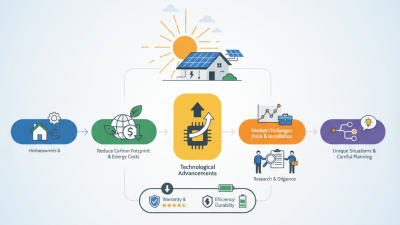
This chart represents key factors to consider when selecting a solar power system, including warranties and maintenance support options.