What is Solar Power for Home Benefits Costs and Installation Guide
As the demand for renewable energy continues to rise, solar power for home use has become a focal point for homeowners seeking sustainable and cost-effective energy solutions. According to recent data from the Solar Energy Industries Association (SEIA), over 3 million residential solar systems have been installed in the United States alone, reflecting a staggering 167% growth over the last five years. This increase is not just a reflection of environmental consciousness; it also represents significant economic benefits, as homeowners can save an average of $44,000 on energy costs over 20 years by switching to solar power.
Expert in the solar industry, Dr. Emily Dawson, highlights, "Transitioning to solar power for home use not only reduces carbon footprints but also empowers homeowners with energy independence." This notion resonates with countless individuals who are eager to lower their utility bills while contributing to a sustainable future. As we delve deeper into the benefits, costs, and installation processes associated with solar power for homes, it becomes evident that this energy source is not only a trend but a crucial step towards a greener planet. By understanding the intricacies of solar technology, prospective users can make informed decisions that align with both their financial goals and environmental commitments.

What is Solar Power and How Does It Work for Home Use?
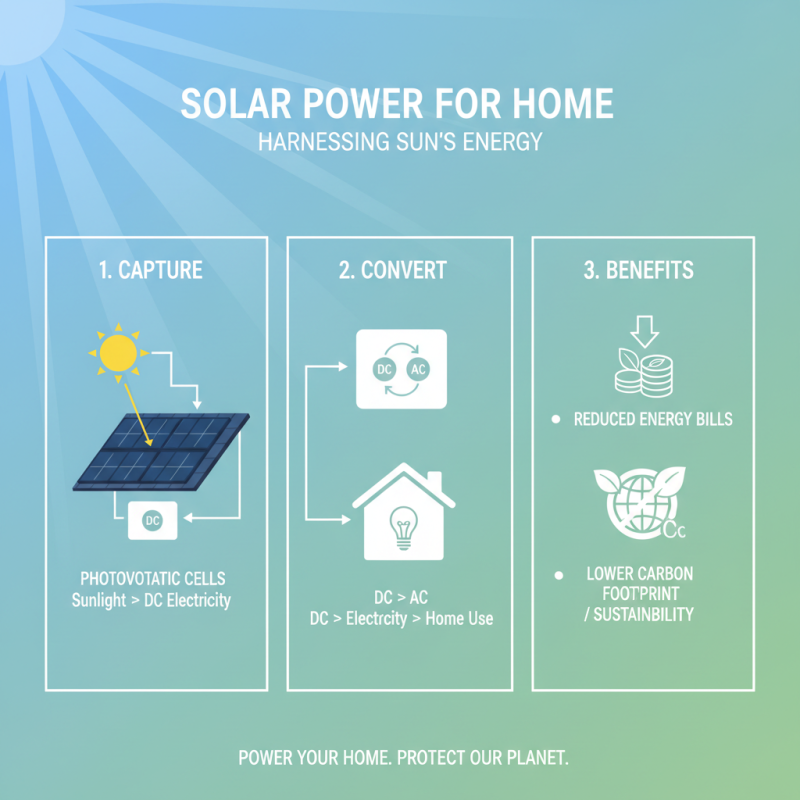
Solar power refers to the energy harnessed from the sun's rays, which can be converted into electricity for use in residential settings. The process begins with solar panels, composed of photovoltaic cells, that capture sunlight and convert it into direct current (DC) electricity. This electricity is then transformed into alternating current (AC) by an inverter, making it suitable for home use. Beyond just generating electricity, solar power systems can also significantly reduce energy bills and promote environmental sustainability by lowering carbon footprints.
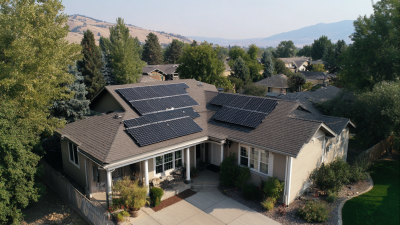
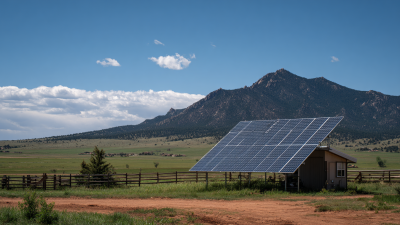
In a typical home solar power system, installation starts with assessing the site for sunlight exposure and roof space. Once designed, solar panels are mounted typically on rooftops or in open areas and connected to the home’s electrical system. Homeowners can choose between grid-tied, off-grid, or hybrid systems, depending on their energy needs and local regulations. As technology continues to advance, solar power systems have become increasingly efficient and more affordable, making it a viable and attractive option for those looking to utilize renewable energy in their homes.
Key Benefits of Solar Power for Residential Energy Solutions
Solar power is becoming an increasingly popular solution for residential energy needs, and its benefits are multifaceted. One of the primary advantages is the significant reduction in electricity bills. By harnessing the sun's energy, homeowners can generate their own electricity, leading to lower reliance on traditional energy sources. This not only translates into cost savings but also provides a degree of financial predictability, as solar energy can shield homeowners from fluctuating utility rates over time.
Additionally, solar power contributes positively to the environment. Utilizing renewable energy helps to decrease greenhouse gas emissions and reduces the carbon footprint associated with conventional fossil fuels. For environmentally conscious homeowners, solar energy represents a proactive step towards sustainability, promoting cleaner air and a healthier planet. Furthermore, many regions offer incentives and tax credits for solar installation, making it an even more attractive option for reducing overall energy costs while supporting eco-friendly practices.
Benefits of Solar Power for Residential Energy Solutions
Understanding the Costs: Initial Investment and Long-Term Savings
When considering solar power for homes, understanding the costs involved is crucial for making an informed decision. The initial investment for a solar panel system can vary significantly based on factors such as system size, type of panels, and installation complexity. Typically, homeowners can expect to pay anywhere from several thousand to tens of thousands of dollars upfront. This cost often includes not just the panels themselves, but also the inverter, installation labor, and any necessary permits. It’s also important to consider potential financing options, such as solar loans or lease agreements, which can make the initial investment more manageable.
However, the long-term savings that solar power can offer often outweigh these upfront costs. By generating their own electricity, homeowners can significantly reduce their utility bills and, in some cases, eliminate them entirely. Over the lifespan of a solar system, which can be 25 years or more, the cumulative savings can be substantial, sometimes amounting to tens of thousands of dollars. Additionally, many regions offer incentives such as tax credits or rebates to further reduce the financial burden of installation, making solar power an increasingly attractive option for cost-conscious homeowners.
What is Solar Power for Home Benefits Costs and Installation Guide - Understanding the Costs: Initial Investment and Long-Term Savings
| Aspect |
Details |
| Initial Investment |
$15,000 - $30,000 (for a standard 5-10 kW system) |
| Installation Costs |
Approximately $2,000 - $10,000 depending on complexity |
| Federal Tax Credit |
26% of installation costs (as of 2023) |
| Average Savings Per Month |
$100 - $200 on electricity bills |
| Return on Investment (ROI) |
Typically 7 - 10 years |
| Cost of Maintenance |
$200 - $400 annually |
| Increased Home Value |
Estimated increase of $15,000 - $25,000 |
| Environmental Benefits |
Reduces carbon footprint significantly |
A Step-by-Step Guide to Solar Panel Installation for Homeowners
Installing solar panels in your home is a significant step towards
energy independence and sustainability.
The process begins with an assessment of your home’s energy needs and roof suitability. Homeowners should evaluate
the amount of sunlight their property receives, as well as the structural integrity of the roof. This initial step
is crucial, as it determines the size and type of solar system suitable for your home.
Once you’ve completed your assessment, the next stage involves selecting the right solar technology
and obtaining necessary permits. Homeowners can choose from various types of solar panels, including monocrystalline,
polycrystalline, and thin-film options. After deciding on the panel type,
securing permits from local authorities is essential to comply with regulations. Following this, you can schedule the installation,
typically performed by a licensed contractor. The installation process may take one to three days, depending on the system's size and complexity.
After installation, the final step involves connecting the solar system to your home’s electrical system and ensuring everything is functioning correctly,
allowing you to enjoy the benefits of clean energy.
Evaluating Return on Investment: Financial Incentives and Rebates Options
When considering solar power for home installations, evaluating the return on investment (ROI) is crucial. Homeowners can benefit significantly from various financial incentives and rebates offered at both federal and state levels. Tax credits can substantially reduce the initial cost of solar panel systems, enabling homeowners to offset up to a percentage of the installation cost from their federal taxes. Additionally, many states provide their own incentive programs that can further enhance savings. These incentives can be critical in making the transition to solar energy more financially viable.
Tips for maximizing your ROI include researching local rebate programs and tax incentives before making a purchase. Some areas may also offer performance-based incentives, which provide payments based on the amount of electricity your solar system generates. Keeping an eye on utility incentives, such as net metering, can also offer significant long-term savings. It's essential to calculate your operational savings, as reduced electricity bills can compound over time, boosting the overall return on investment. By thoroughly evaluating these financial factors, homeowners can make informed decisions and enjoy the long-term benefits of solar power.