What is Solar Installation? Benefits, Process, and Cost Explained!
Solar installation has emerged as a pivotal solution for harnessing renewable energy, significantly contributing to both environmental sustainability and economic efficiency. As societies increasingly seek alternatives to fossil fuels, understanding the intricacies of solar installation becomes vital. This process not only refers to the setup of solar panels on residential or commercial properties but also encompasses the broader technological framework that enables the capturing and conversion of sunlight into usable electricity.
The advantages of solar installation extend beyond mere energy savings; they include reduced carbon footprints, increased property value, and long-term financial benefits through various incentive programs. Additionally, the increasing affordability of solar technologies has made it more accessible for homeowners and businesses alike, encouraging widespread adoption.
This article delves into the essential aspects of solar installation, exploring its benefits, detailed installation processes, and the associated costs. By demystifying the steps involved and highlighting the advantages, it aims to equip readers with the knowledge necessary to make informed decisions about transitioning to solar energy. Embracing solar installation not only paves the way for individual energy independence but also contributes to the global movement towards a more sustainable future.

What is Solar Installation and How Does It Work?
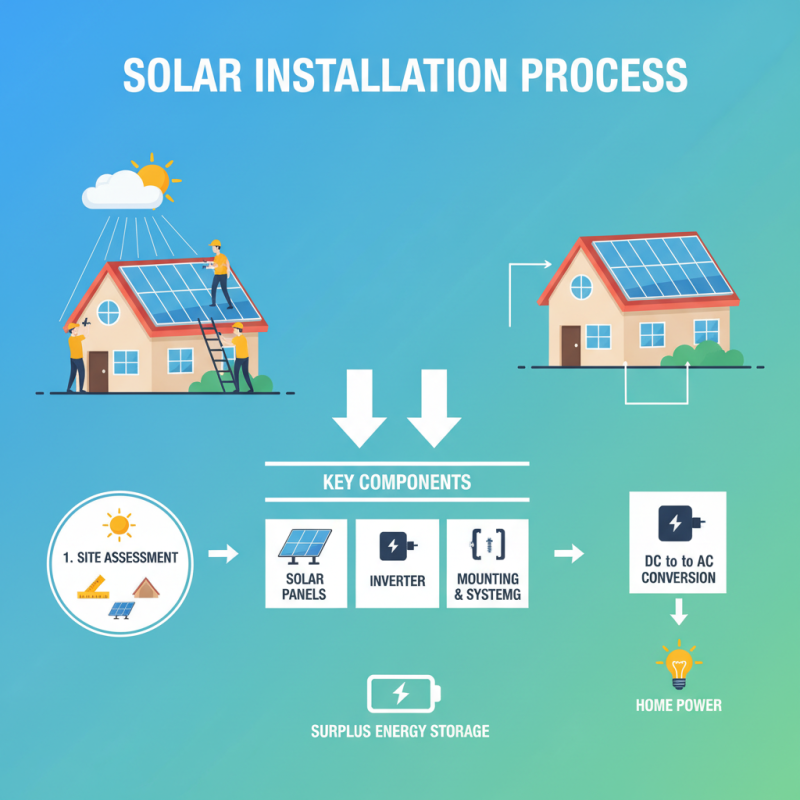
Solar installation refers to the process of setting up solar panels and associated equipment to harness solar energy for residential or commercial use. At its core, solar installation involves several key components, including solar panels, inverters, and mounting systems. The process begins with site assessment, where professionals evaluate roof orientation, shading, and space availability to determine the optimal system design. Once the design is finalized, the installation team mounts the solar panels on the roof or ground and connects them to the inverter, which converts the direct current (DC) generated by the panels into alternating current (AC) for household use.
The effectiveness of solar installation relies on efficient energy conversion and system integration. After installation, the solar panels capture sunlight and produce electricity, which can be used immediately or stored in battery systems for later use. In many cases, a grid-tie system allows excess energy to be sent back to the utility grid, potentially earning credits for the homeowner. Safety standards and regulations guide the installation process to ensure the setup is effective and reliable, ultimately benefiting users by reducing energy costs and enhancing energy independence.
Key Benefits of Solar Installation for Homeowners and Businesses
Solar installation offers numerous benefits for both homeowners and businesses, making it a sound investment in the long term. One of the primary advantages is the significant reduction in energy bills. By generating electricity from sunlight, property owners can decrease their reliance on conventional power sources, resulting in substantial savings over time. Additionally, many regions offer tax incentives and rebates for solar installations, which can further offset the initial costs.
Another critical benefit is the positive impact on the environment. Solar energy is a renewable resource that helps reduce greenhouse gas emissions and dependence on fossil fuels. By choosing solar, homeowners and businesses contribute to cleaner air and a more sustainable future. Furthermore, solar installations can increase property value, as many buyers today prioritize eco-friendly features and energy-efficient homes. In summary, the strategic advantages of solar installation make it an appealing option for those looking to enhance their energy efficiency and environmental responsibility.
What is Solar Installation? Benefits, Process, and Cost Explained!
| Dimension |
Details |
| Installation Type |
Rooftop and Ground-Mounted Systems |
| Average Cost |
$15,000 - $30,000 (before incentives) |
| Typical Installation Time |
1-3 days |
| Payback Period |
5-10 years |
| Key Benefits |
Reduces electricity bills, tax credits, increases property value, renewable energy source |
| Maintenance Requirement |
Minimal, occasional cleaning and inspection |
| Environmental Impact |
Reduces carbon footprint, lessens reliance on fossil fuels |
Step-by-Step Process of Installing Solar Panels
Installing solar panels is a strategic process that can enhance energy efficiency and sustainability for homes and businesses. The first step typically involves conducting a site assessment. This assessment determines the location's solar potential, accounting for factors such as sunlight exposure, roof structure, and shading from nearby buildings or trees. After evaluating these elements, homeowners can receive personalized recommendations for system size and layout.
Once the assessment is complete, the next step is to procure the necessary permits and approvals from local authorities. This process may vary depending on location but generally involves submitting plans and ensuring compliance with zoning laws. After securing permits, the installation team will prepare the site, which includes mounting the solar panels securely on the roof or ground and connecting the system to the electrical grid.
**Tips:** Before starting your solar journey, it's wise to research local incentives and rebates that can offset installation costs. Additionally, consider consulting with multiple installers to compare quotes and services. Educating yourself about the different types of solar technology available can further aid in making an informed decision tailored to your energy needs.
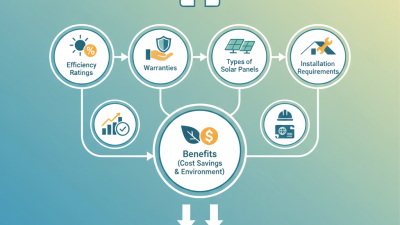
Benefits of Solar Installation
Understanding the Costs Involved in Solar Installation
Understanding the costs involved in solar installation is crucial for anyone considering making the switch to solar energy. The overall expenses can vary significantly based on factors such as system size, location, and local incentives. On average, residential solar installations can cost between $15,000 to $30,000 before tax credits and rebates. It's important to research local solar incentives, as many states offer financial support that can significantly reduce the initial investment.
When planning for solar installation, always keep the long-term benefits in mind. Although upfront costs can be daunting, solar systems often pay for themselves within 5 to 10 years through energy savings. To maximize your financial benefits, consider investing in energy-efficient appliances and practices alongside your solar setup. This not only reduces your overall system size but also enhances efficiency, leading to further savings.
Tips: Before committing to a solar installation, obtain several quotes from licensed contractors to ensure you’re getting the best deal. Additionally, take advantage of solar calculators available online to estimate your potential savings based on your energy usage. Lastly, stay informed about local policies and incentives, which can change frequently and impact your investment.
Financial Incentives and Rebates for Solar Energy Adoption
Financial incentives and rebates play a crucial role in promoting the adoption of solar energy. Many governments at various levels offer substantial financial assistance to encourage homeowners and businesses to invest in solar installations. These incentives often come in the form of tax credits, grants, or rebates provided upfront, reducing the overall cost of the solar system. For instance, some regions provide a percentage of the installation cost back as a rebate or allow taxpayers to deduct a portion of their solar investment from their annual taxes, making solar power more accessible.
In addition to direct financial incentives, there are often programs designed to support renewable energy adoption, such as net metering. This allows solar panel owners to sell surplus energy back to the grid, further offsetting their costs and improving the return on investment. Some local utilities also provide additional rebates for installing energy-efficient equipment alongside solar panels, creating even more opportunities for savings. As such, understanding and taking advantage of these financial incentives is vital for anyone considering solar energy, as they can significantly reduce the upfront investment and accelerate the transition to sustainable energy solutions.