What is the Role of Commercial Solar Installers in 2026?
As we approach 2026, the role of commercial solar installers is evolving rapidly. Industry expert John Smith, a leading figure in renewable energy solutions, states, “Commercial solar installers are pivotal in transforming our energy landscape.” Their expertise is crucial in navigating the complex challenges of solar implementation in businesses.
In recent years, commercial solar installers have become integral to corporate sustainability strategies. They provide tailored solutions that enhance energy efficiency and reduce operational costs. Their deep understanding of solar technology helps businesses harness the power of the sun effectively. However, the industry still grapples with obstacles such as regulatory hurdles and financing challenges. These issues often hinder the adoption of solar systems, creating a need for innovative approaches.
The future appears promising, yet not without reflection. Commercial solar installers must adapt and upskill to meet growing demands. As more companies seek sustainable options, the pressure mounts on installers to deliver high-quality services. It is an exciting yet challenging time. The journey ahead requires foresight and commitment.
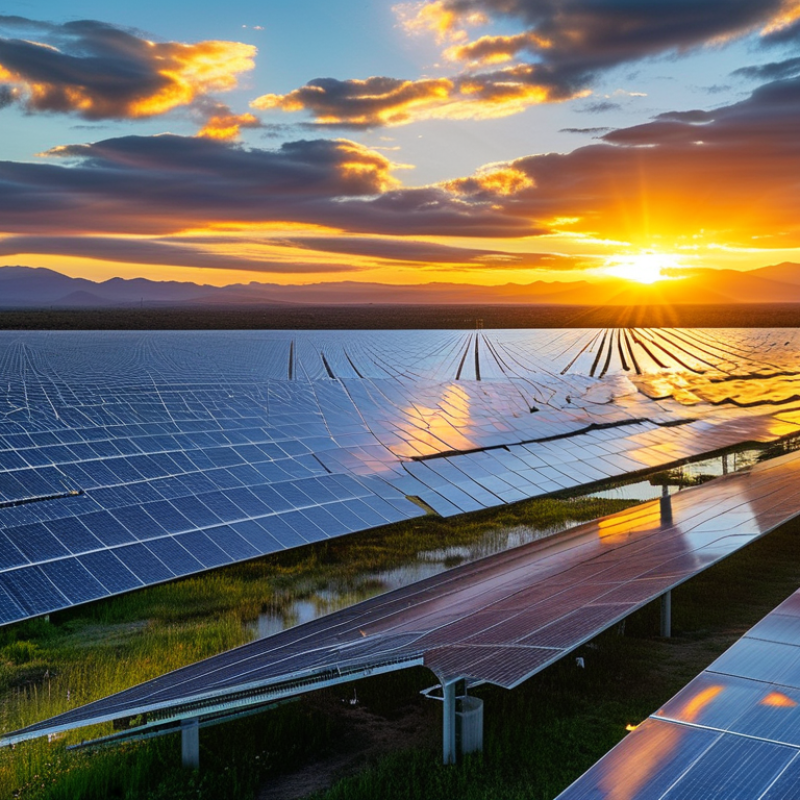
The Evolving Landscape of Commercial Solar Installers in 2026
The commercial solar installation landscape in 2026 is poised for significant transformation. With global solar capacity expected to exceed 1,800 gigawatts by 2026, installers play a vital role in meeting this demand. According to industry reports, around 60% of new installations will occur in the commercial sector, driven by rising energy costs and sustainability goals. These shifts indicate that installers now require more than technical skills; they also need business acumen and knowledge of financing options.
In addressing energy challenges, installers must be adaptable. Emerging technologies, such as energy storage solutions and smart grid systems, will reshape installation practices. Data suggests that installations incorporating battery storage can offer a 30% increase in energy efficiency. Installers should also become familiar with evolving regulations and incentive programs. A lack of understanding in these areas can impede the growth of both the installer and their clients.
Installers should focus on building strong local networks. Collaborating with businesses can reflect community needs and preferences. Engaging in training programs can enhance technical skills, aligning them with industry advancements. Continuous education is key to staying relevant and competitive in this dynamic field. Balancing established practices with innovative approaches will yield the best results. Having an open mind may reveal gaps in knowledge that can lead to better solutions.
Key Responsibilities of Commercial Solar Installers in the Energy Market
In 2026, commercial solar installers will play an essential role in the energy market. Their primary responsibility will involve designing, installing, and maintaining solar panels for businesses. This includes evaluating building structures and energy needs. They must ensure systems are efficient and compliant with evolving regulations.
A crucial aspect of their work will be community engagement. Installers will need to educate stakeholders about solar benefits. This includes addressing misconceptions and providing clear information. Their expertise will bridge the gap between technical know-how and business needs.
However, challenges remain. The rapid pace of technological change can create uncertainty. Installers must stay updated on the latest advancements in solar technology. They may face issues with supply chain disruptions. This could impact project timelines and budget estimates. Continuous learning and adaptation will be vital for their success in this dynamic landscape.
Technological Advancements Impacting Commercial Solar Installations
As we look towards 2026, the commercial solar installation sector is poised for significant evolution driven by technological advancements. One notable trend is the rise of artificial intelligence in project planning. AI can optimize design efficiency and reduce costs. This technology helps installers make informed decisions based on real-time data. However, the initial setup can be complex, and not all companies may have the resources for implementation.
Battery storage systems are another game-changer for commercial solar. They allow businesses to store excess energy for later use. This enhances energy reliability and can lead to substantial savings on utility bills. But the integration of these systems often requires extensive retrofitting. This process can be daunting and raises questions about the long-term viability of older infrastructure.
Lastly, advancements in solar panel technology, such as bifacial panels, are improving efficiency. These panels capture sunlight from both sides, increasing energy output. However, they may come at a higher upfront cost. Installers need to weigh the benefits against potential financial hurdles, considering the varying energy needs of different commercial properties. It's clear that while progress is promising, challenges remain that need careful consideration.
Challenges Faced by Commercial Solar Installers in 2026
In 2026, commercial solar installers face significant challenges amid growing competition and technological advancements. The Solar Energy Industries Association (SEIA) projects that the U.S. solar market will exceed 300 GW of installed capacity by 2026. This rapid growth increases pressure on installers to deliver efficient and high-quality services.
One major challenge is the shortage of skilled labor. According to a recent report, nearly 60% of solar companies struggle to find qualified personnel. This gap hampers installation timelines and raises project costs. Additionally, fluctuating material prices pose another hurdle. The cost of solar panels and associated equipment can vary significantly due to global supply chain issues.
Regulatory changes also create uncertainty. Installers must navigate various state and federal policies that can affect project feasibility. For instance, tax incentives may change, impacting customer interest in solar investments. Installers must remain adaptable, constantly updating their knowledge and practices to comply with evolving regulations. Balancing these challenges while meeting growing market demands will be crucial for success in the coming years.
Challenges Faced by Commercial Solar Installers in 2026
Future Trends Shaping the Role of Commercial Solar Installers
The role of commercial solar installers is evolving quickly in 2026. As renewable energy gains priority, these installers face new challenges and opportunities. Businesses are increasingly looking for expert guidance on solar technology and financial incentives. Knowledge of local policies is important. A commercial solar installer must navigate regulations, tariffs, and incentives effectively.
The demand for energy efficiency is significant. Clients expect tailored solutions that cut costs and enhance sustainability. Installers must understand diverse energy needs. They should provide more than installations; they must offer ongoing maintenance and support. This trend raises questions about the installer’s long-term commitment to clients.
Emerging technologies will shape the landscape. Battery storage and AI-driven energy management systems will be integral. Installers should embrace training in advanced tools to remain relevant. However, integrating these technologies may present obstacles. Balancing innovation with practicality requires strategic thinking. Commercial solar installers in 2026 will need both technical skills and a clear vision for the future.
What is the Role of Commercial Solar Installers in 2026? - Future Trends
| Trend |
Description |
Impact on Installers |
Market Growth (% per year) |
| Increased Demand for Renewable Energy |
Growing awareness of climate change and energy independence |
Expansion of installation projects |
15% |
| Technological Advancements |
Emergence of new solar technologies like bifacial panels |
Need for ongoing training and education |
10% |
| Government Incentives |
Tax credits and subsidies for solar installation |
Increased project feasibility and client acquisition |
20% |
| Energy Storage Solutions |
Integration of battery storage with solar systems |
New service offerings and revenue models |
12% |
| Corporate Sustainability Goals |
Businesses committing to renewable energy targets |
Increased contracts from commercial clients |
18% |