Home Solar Tips for Beginners How to Save on Energy Costs?
As energy costs rise, more homeowners are turning to home solar systems. They offer a path to save money while helping the environment. Imagine harnessing the sun’s power to fuel your daily life. It sounds appealing, right?
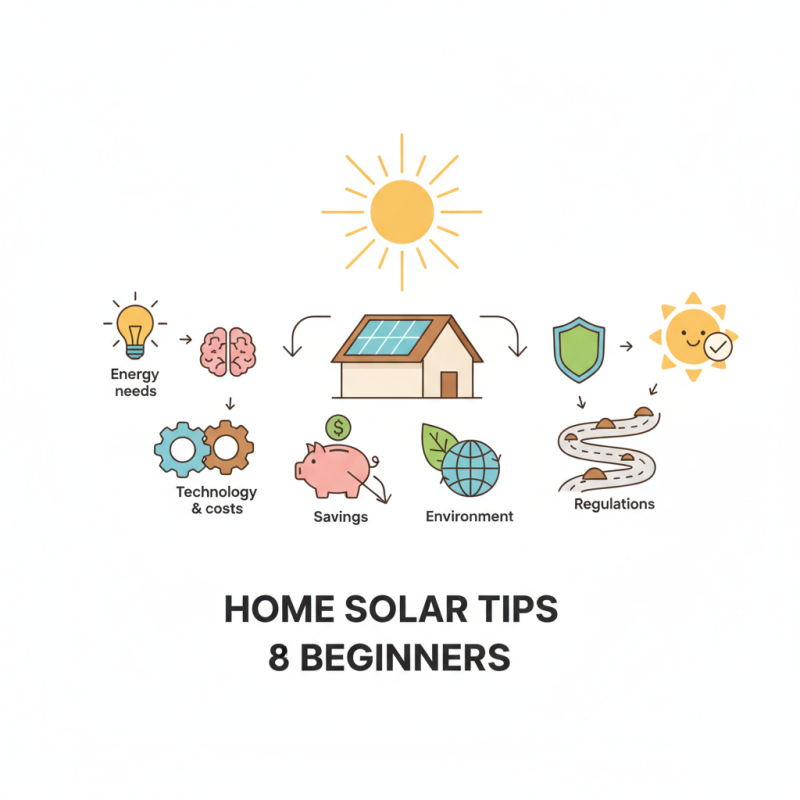
However, diving into home solar isn't always straightforward. Many feel overwhelmed by technology, costs, and regulations. It’s easy to make mistakes along the way. For example, choosing the wrong system can lead to unexpected expenses.
Learning about home solar isn't just about installation. It’s about understanding your energy needs and local policies. The journey may have bumps, but the benefits can be significant. Empowering yourself with knowledge is the first step toward effective energy savings.
Understanding Home Solar Energy Basics
Solar energy is gaining popularity as a reliable alternative to traditional power sources. Understanding its basics can empower homeowners to make informed decisions. In 2020, the U.S. solar market added 19.2 gigawatts of capacity, bringing the total to over 97 gigawatts. This growth indicates a rising interest in renewable energy options.
Many beginners may find the installation process daunting. Solar panels convert sunlight into electricity, reducing reliance on grid power. Despite the initial investment, studies show that solar can save homeowners up to 70% on their energy bills over time. However, challenges remain, such as varying installation costs, which can range from $15,000 to $25,000 depending on location and system size.
Evaluating solar panel efficiency is crucial. Not all panels perform equally under different weather conditions. Beginners should not overlook factors like shading and roof orientation. According to the National Renewable Energy Laboratory, improper placement can decrease efficiency by up to 20%. These details can make a significant difference in long-term savings.
Home Solar Tips for Beginners: How to Save on Energy Costs?
| Tip |
Description |
Potential Savings |
| Assess Your Energy Needs |
Calculate your average energy consumption to determine system size. |
Up to 20% savings on bills |
| Install Energy-Efficient Appliances |
Use energy-efficient appliances to maximize solar savings. |
15-30% energy reduction |
| Consider Government Incentives |
Research available tax credits and rebates for solar installation. |
Potentially up to 30% off installation costs |
| Regular Maintenance |
Routine cleaning and inspections to ensure efficiency. |
5-10% increase in energy production |
| Smart Energy Management |
Use smart thermostats and home automation systems. |
10-25% savings |
Assessing Your Home's Solar Potential
Assessing your home's solar potential requires careful consideration.
Begin by evaluating your roof's angle and orientation. Ideally, a south-facing roof captures the most sunlight.
A report from the National Renewable Energy Laboratory shows homes with an optimal roof angle can gain up to
30% more energy. Make sure to check for shading from trees or nearby structures.
Even a small amount of shading can reduce efficiency significantly.
Next, think about your energy consumption. Review your utility bills to determine your
average monthly usage. The U.S. Energy Information Administration states that the
average American household uses about 877 kWh per month. This figure helps estimate
the size of the solar system you may need. Not every home will match this average. Some may need more, while others less.
Consider also local climate factors. Areas with more sunshine can produce more energy. But, remember the data varies by
region. For instance, sunny states like California are ideal, while cloudy climates reduce
potential energy generation. Not every location is perfect. It’s essential to balance these factors when assessing whether
solar is the right choice for you.
Choosing the Right Solar System for Your Needs
When considering a solar system, understanding your energy needs is crucial. Start by evaluating your average electricity consumption. Look at past utility bills to identify usage patterns. This helps in determining the system size that suits your lifestyle. Consider your home's orientation too. A south-facing roof often receives the most sunlight. However, not every home has this advantage.
Next, think about the types of solar panels available. There are monocrystalline and polycrystalline options, each with pros and cons. Monocrystalline panels are efficient but may be pricier. Polycrystalline panels are generally less expensive but may require more space. Remember, not every option fits everyone. Be prepared to dig deeper and weigh all factors.
Take into account local regulations and incentives. Some areas offer tax credits or rebates, which can influence your decision. Research these possibilities before making a choice. Understanding the installation process is also vital. Some companies promise quick setups, but delays can happen. It’s essential to remain patient and flexible. Be ready to adjust your expectations throughout the process.
Home Solar Tips for Beginners: How to Save on Energy Costs
This chart illustrates the average monthly energy savings for different solar panel systems based on their capacity (in kW). The data presented here will help you understand potential cost reductions associated with installing solar energy systems.
Financing Options and Incentives for Solar Installation
Installing solar panels can feel overwhelming. Fortunately, there are various financing options available. You might consider a
solar loan, which allows you to pay for your system over time.
Often, lenders offer competitive interest rates. Some homeowners prefer a lease, which requires little
upfront cost but may not provide full ownership benefits.
Incentives can significantly reduce your expenses. Federal tax credits can cover a substantial
percentage of your solar costs. Check your state for additional rebates. These can vary widely, so it's essential to do your research.
Local utilities may also have programs that offer cash incentives or net metering.
Tips: Always compare multiple financing offers. Read the fine print carefully. Sometimes,
lower monthly payments come with hidden fees. Don’t rush the decision. Take your time to assess your long-term energy needs.
A hasty choice could lead to regrets later on. Keep in mind that solar technology is continually evolving, which might affect
your investment's value.