How to Choose the Best Home Solar System for Your Needs?
As renewable energy sources gain traction, the home solar industry is thriving. According to a report by the Solar Energy Industries Association (SEIA), residential solar installations almost doubled last year. This rapid growth highlights the increasing importance of choosing the right home solar system. Consumers often face challenges in navigating the various options available.
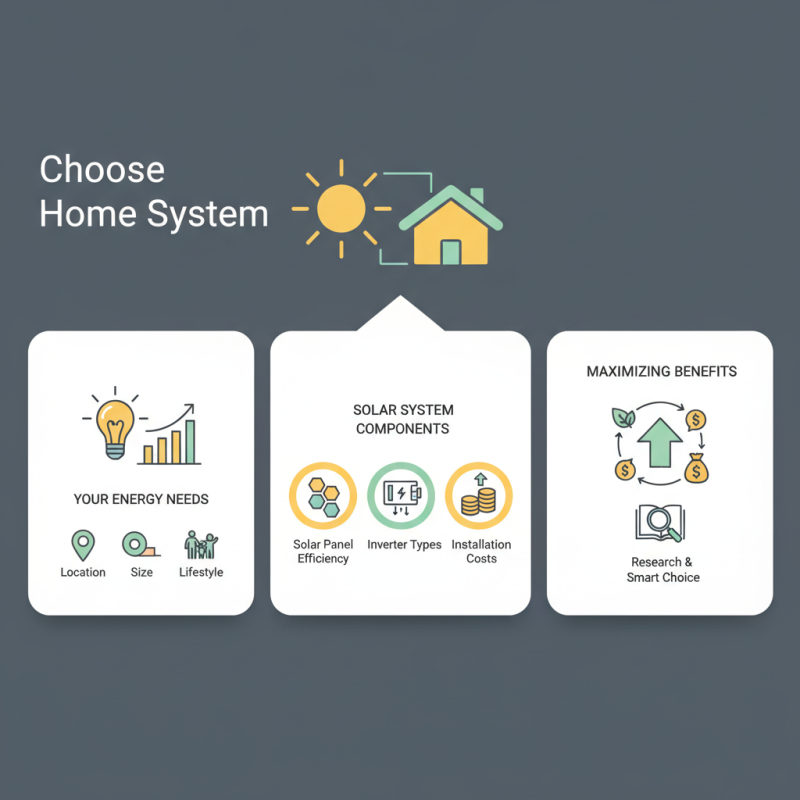
Expert David B. Smith, a respected figure in the home solar sector, emphasizes, "Understanding your energy needs is paramount." Home solar systems are not one-size-fits-all. Each home has unique energy consumption patterns influenced by factors such as location, size, and lifestyle.
Many homeowners feel overwhelmed by endless choices. They must consider solar panel efficiency, inverter types, and installation costs. Although advancements in technology provide advantages, not every solution suits every household. The decision-making process can be daunting yet critical for maximizing benefits. Investing time to research is essential in ensuring the chosen home solar system meets specific needs effectively.
Understanding Your Energy Needs and Usage Patterns
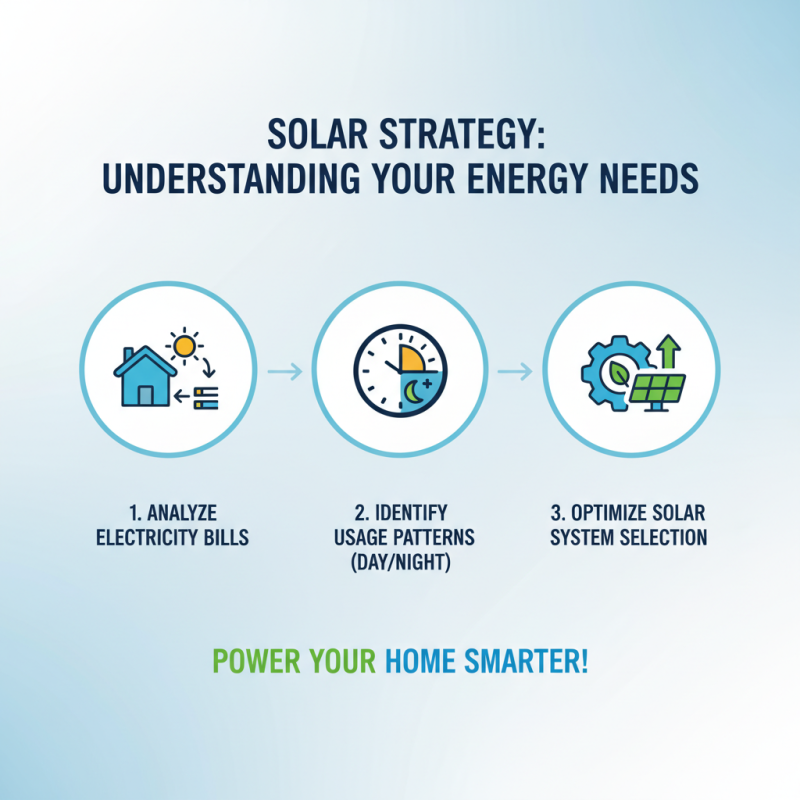
Understanding your energy needs is crucial when selecting a home solar system. Start by examining your monthly electricity bills. Look for patterns in your energy usage. Do you use more power during the day or at night? This insight shapes your solar strategy.
Consider your household size. Larger families often consume more energy. Identify high-use appliances as well. Is your air conditioner running constantly in the summer? Make a list of your major energy consumers. Reflect on how you can be more efficient. Small changes can lead to big savings.
Evaluate your goals too. Are you looking to reduce costs or minimize your carbon footprint? Each goal may require different solar solutions. Assess your home's layout. Is there enough sunlight exposure? Some houses may have shading issues that complicate solar installation. Think critically about these details. They may not seem important, but they greatly influence your choice.
Evaluating Different Types of Solar Systems Available
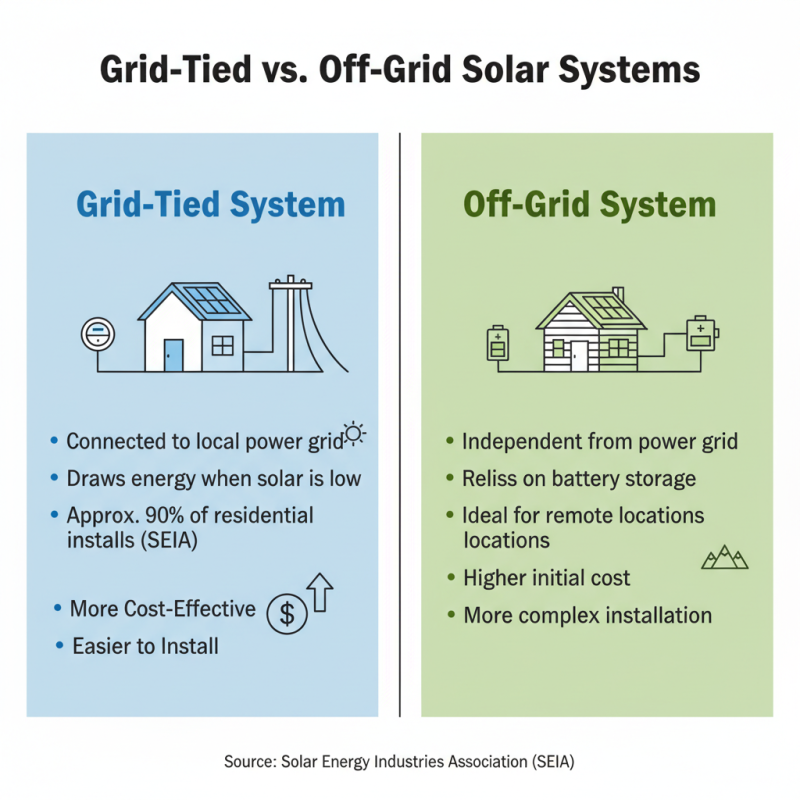
When evaluating different types of solar systems, homeowners face numerous choices. The two primary types are grid-tied and off-grid systems. Grid-tied systems connect to the local power grid. This type allows users to draw energy when solar production is low. A report from the Solar Energy Industries Association (SEIA) notes that grid-tied systems make up approximately 90% of residential solar installations. They are often more cost-effective and easier to install.
Conversely, off-grid systems operate independently of the electrical grid. These setups include battery storage systems, which can be costly. According to the National Renewable Energy Laboratory (NREL), battery costs have decreased by over 70% since 2010. However, off-grid systems may require more maintenance and careful planning. Users must evaluate their energy consumption to ensure sufficient storage. This can lead to over-sizing the system, which is an unfortunate financial misstep.
Another option is hybrid systems, which combine both grid-tied and off-grid capabilities. They offer flexibility but come with complexity. The installation process can be intricate, as users coordinate with multiple systems. These challenges can deter potential adopters. Understanding these types helps homeowners make informed decisions based on their specific needs and local conditions.
Comparing Costs, Incentives, and Financing Options
When considering a home solar system, costs are a major factor. The average installation price for home solar in the U.S. was around $3 per watt in 2022. This cost varies by region. Some areas may offer lower prices due to incentives. Incentives play a significant role in affordability. The federal solar tax credit allows homeowners to deduct 26% of the installation cost from their federal taxes. Such incentives can substantially reduce the overall expense.
Financing options are also essential. Many homeowners choose loans to spread out the payments. Research shows that solar loans can have interest rates between 3% to 9%. For those not wanting to purchase outright, leasing is an option. Leasing often requires lower upfront payments, but homeowners might miss out on tax credits. This can create a long-term financial impact.
Homeowners should evaluate their specific situation carefully. While the potential savings are attractive, there are complexities involved. For instance, finding reliable local contractors can be a challenge. Additionally, fluctuating energy costs can affect savings calculations. It's crucial to gather all relevant data before making decisions.
Assessing the Quality and Reliability of Solar Equipment
When assessing the quality of solar equipment, consider the materials used. Durable materials increase the lifespan of panels. Look for products that can withstand harsh weather. Testing certifications can indicate reliability. Research the standards that different products meet. This step is crucial for ensuring long-term performance.
Installation practices matter too. Proper installation impacts efficiency. Check if technicians are certified and trained. Ask about their experience with solar systems. Sometimes, even the best equipment can underperform due to poor installation. Reviews can provide insights into installation quality. Don’t overlook this aspect.
Warranty and customer support are essential. A long warranty can be reassuring. However, read the terms closely. Some warranties may have hidden clauses. Good customer support can make a difference if issues arise. Consider the company’s response time. This reflects their commitment to their products. Quality assurance is more than just the item; it’s about support too.
Choosing the Right Installer for Your Solar System
Choosing the right installer for your solar system is crucial. A skilled installer can make a significant difference in performance and savings. Start by seeking recommendations from friends or online reviews. Local solar cooperatives may also provide valuable insights. Look for installers with extensive experience in solar technology. Their track record speaks volumes.
Check their certifications and licenses. Valid credentials ensure they adhere to industry standards. Don’t hesitate to ask for references. Speak to previous clients about their experiences. Did the installer communicate well? Were there any unexpected costs? These conversations can shed light on potential issues.
Consider getting multiple quotes. This allows you to compare pricing and services. Be cautious of offers that seem too good to be true. They often signal hidden fees or subpar work. Take your time. This decision impacts your home's future. Reflect on your priorities and values when making a choice.
How to Choose the Best Home Solar System for Your Needs? - Choosing the Right Installer for Your Solar System
| Factor |
Description |
Importance (1-5) |
Considerations |
| System Type |
Types include grid-tied, off-grid, and hybrid solar systems. |
4 |
Evaluate local grid availability and your energy needs. |
| Installer Experience |
Years of experience in the solar industry. |
5 |
Check reviews and ask for references from previous clients. |
| Warranty |
Length and coverage of product warranties. |
5 |
Ensure you understand what is covered and for how long. |
| Cost |
Initial investment and financing options available. |
4 |
Obtain multiple quotes and understand total costs, including maintenance. |
| Customer Service |
Quality of support before, during, and after installation. |
4 |
Assess responsiveness and support network of the installer. |
| Local Regulations |
Compliance with state and local solar incentives and regulations. |
3 |
Confirm installer’s knowledge of local laws and incentives. |