The Ultimate Guide to Choosing Solar Panels for Your Home in 2023
As the world continues to shift toward sustainable energy solutions, choosing the right solar panels for your home has become a crucial decision for homeowners in 2023. With numerous options available on the market, understanding the key factors that influence your choice can make all the difference in maximizing energy efficiency and cost savings. According to Jane Doe, a renowned expert in renewable energy systems, "The right solar panels for your home can not only reduce your electricity bills significantly but also contribute to a greener planet."
In this ultimate guide, we will explore essential aspects to consider when selecting solar panels, including efficiency ratings, installation requirements, and long-term maintenance. With technology advancing at an incredible pace, it's vital to stay informed about the latest innovations and trends in the solar industry. By making educated decisions, homeowners can ensure they are investing in solar panels that not only meet their needs but also offer the best possible return on investment over time.
Whether you are new to solar energy or looking to upgrade your existing system, understanding the intricacies of solar panels for your home will empower you to embrace this renewable resource with confidence. Join us as we delve into the factors that will guide you in making the best choice for your energy needs in 2023 and beyond.

Understanding Different Types of Solar Panels Available for Home Use
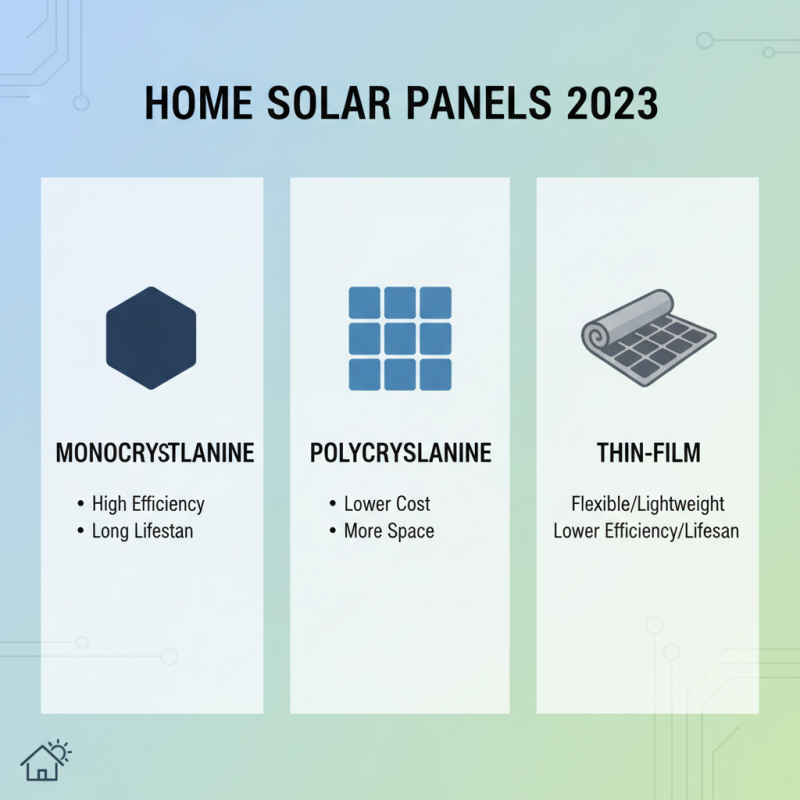
When considering solar panels for home use in 2023, it's essential to understand the different types available on the market. The most common categories are monocrystalline, polycrystalline, and thin-film solar panels. Monocrystalline panels are known for their high efficiency and longevity, making them an excellent choice for homeowners with limited roof space. On the other hand, polycrystalline panels are generally less expensive but may occupy more space due to their lower efficiency. Thin-film panels are lightweight and flexible, ideal for unconventional installations, but they typically have a shorter lifespan and lower efficiency compared to crystalline options.
**Tips:** When evaluating which type of solar panel to choose, consider the energy needs of your household and the available installation area. If you're restricted by space, investing in high-efficiency monocrystalline solar panels may be the best option. However, for larger rooftops, polycrystalline panels might offer a more cost-effective solution.
Additionally, it's important to look at the warranties and efficiency ratings provided by manufacturers. A panel with a higher efficiency rating can generate more energy in the long run. Always consider the long-term benefits versus the initial investment, as quality panels can lead to substantial savings on energy bills over time.
Evaluating Solar Panel Efficiency Ratings and Performance Metrics
When choosing solar panels for your home, understanding efficiency ratings and performance metrics is crucial for making an informed decision. The efficiency rating of a solar panel indicates the percentage of sunlight that can be converted into usable electricity. In 2023, the most efficient panels on the market range from about 15% to over 22%. Higher efficiency panels generally require less surface area to produce the same amount of energy, making them an excellent choice for homes with limited roof space. However, it's essential to balance efficiency with other factors such as the cost per watt and overall system performance.
In addition to efficiency, performance metrics such as temperature coefficient, degradation rate, and warranty length are vital considerations. The temperature coefficient measures how well a solar panel performs in high temperatures; a lower coefficient means the panel will perform better under heat. The degradation rate indicates how much a solar panel's output is expected to decline over time—typically, panels degrade at a rate of about 0.5% to 1% per year. Moreover, a robust warranty can provide peace of mind, with most panels offering warranties ranging from 25 to 30 years. By evaluating these key performance metrics alongside efficiency ratings, homeowners can select the ideal solar panels that ensure sustainable energy production and long-term savings.
Factors to Consider When Installing Solar Panels on Your Roof
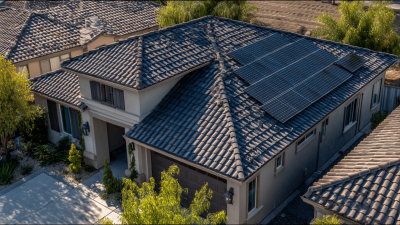
When considering solar panel installation on your roof, several critical factors come into play to ensure you make the best decision for your home. Firstly, evaluate your roof's condition and structure. A sturdy and well-maintained roof not only supports the weight of the panels but also maximizes energy production. Check for any potential leaks or damages that should be addressed before installation. Additionally, consider the orientation and tilt of your roof—ideally, a south-facing roof with an angle of 30 to 45 degrees is the most efficient for solar energy capture.
Tip: Conduct a thorough energy audit of your home to understand your current energy consumption. This analysis will help you determine the appropriate number of solar panels to install, ensuring they effectively meet your energy needs without overspending.
Another crucial element is the local climate and sunlight availability. Different regions receive varying amounts of sunshine throughout the year, which directly impacts solar panel performance. Investigate local weather patterns and seasonal changes to develop realistic expectations regarding energy output.
Tip: Consult with local solar installation experts who are familiar with your area's specific conditions. They can provide valuable insights and recommend the best practices tailored to your home's requirements.
The Ultimate Guide to Choosing Solar Panels for Your Home in 2023
This chart illustrates the average efficiency rates of various types of solar panels available in 2023. The efficiency is a critical factor to consider when selecting solar panels for your home, as it determines how much sunlight is converted into usable electricity.
Comparing Costs and Financial Incentives for Solar Panel Installation
When considering solar panel installation for your home, understanding the costs involved and potential financial incentives is crucial for making an informed decision. The initial costs of solar panels can vary widely based on factors such as system size, installation complexity, and geographic location. Homeowners should expect to spend anywhere from a few thousand to tens of thousands of dollars. However, it's essential to remember that these upfront costs can often lead to significant savings on energy bills over time.
In addition to understanding costs, various financial incentives can make solar panel installation more affordable. Many states and local governments offer tax credits, rebates, and grants to help offset initial expenses. The federal solar investment tax credit (ITC) is also a notable incentive that allows homeowners to deduct a percentage of the installation costs from their federal taxes.
Additionally, financing options such as solar loans and leases can further ease the financial burden, providing flexible payment plans that allow homeowners to switch to solar energy without significant upfront investments. With the right information on costs and incentives, transitioning to solar energy can not only contribute to environmental sustainability but also lead to long-term financial benefits.
Maintenance and Longevity: Ensuring Your Solar Panels Last
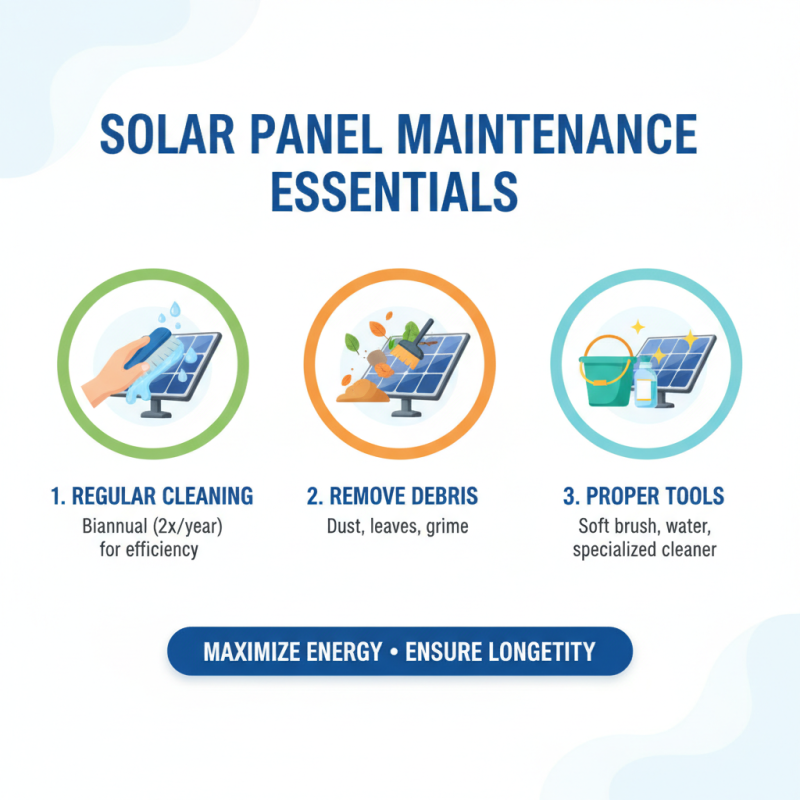
Maintaining your solar panels is essential to ensure their longevity and effectiveness in harnessing solar energy. Regular cleaning is one of the most straightforward yet effective maintenance tasks. Dust, leaves, and debris can accumulate on the panels, reducing their efficiency. Depending on your location, a biannual cleaning can help maximize energy production. It’s vital to use the right techniques and tools to avoid damaging the panels while cleaning. Water and a soft brush are often all that's needed, but for tougher grime, a specialized solar panel cleaner can be used.
In addition to cleaning, monitoring the performance of your solar panels plays a critical role in their maintenance. Many modern systems come with monitoring software that allows homeowners to track energy production and spot any potential issues early. If you notice a significant drop in energy output, it may indicate that maintenance is needed or that repairs are on the horizon. Scheduling regular inspections from professionals can also help identify wear and tear or any potential problems before they escalate, thus ensuring that your solar panels continue to function optimally for many years. By adopting these practices, homeowners can safeguard their investments and enjoy the benefits of renewable energy without interruption.