How to Choose the Best Solar MPPT Controller for Your System?
In the rapidly growing solar energy market, selecting the right Solar MPPT controller is crucial for system performance. According to the Solar Energy Industries Association, the U.S. solar market grew by 42% in just one year. This increased interest highlights the need for efficient energy conversion, where Solar MPPT controllers play a vital role. As energy expert Dr. Jane Smith states, “Choosing the right controller can significantly optimize energy output.”
A Solar MPPT controller maximizes the power harvested from solar panels. It adjusts the electrical operating point of the modules, ensuring they produce the most energy possible. This technology can lead to up to 30% more energy yield compared to regular controllers. However, not all devices are created equal. The market offers various models, and navigating the options can be overwhelming.
It’s essential to consider system compatibility, efficiency ratings, and features such as monitoring capabilities. Consumers often overlook these aspects, potentially leading to underperformance. Understanding your specific energy needs is crucial. The right Solar MPPT controller can dramatically improve solar energy generation, but a hasty choice could fall short of expectations.
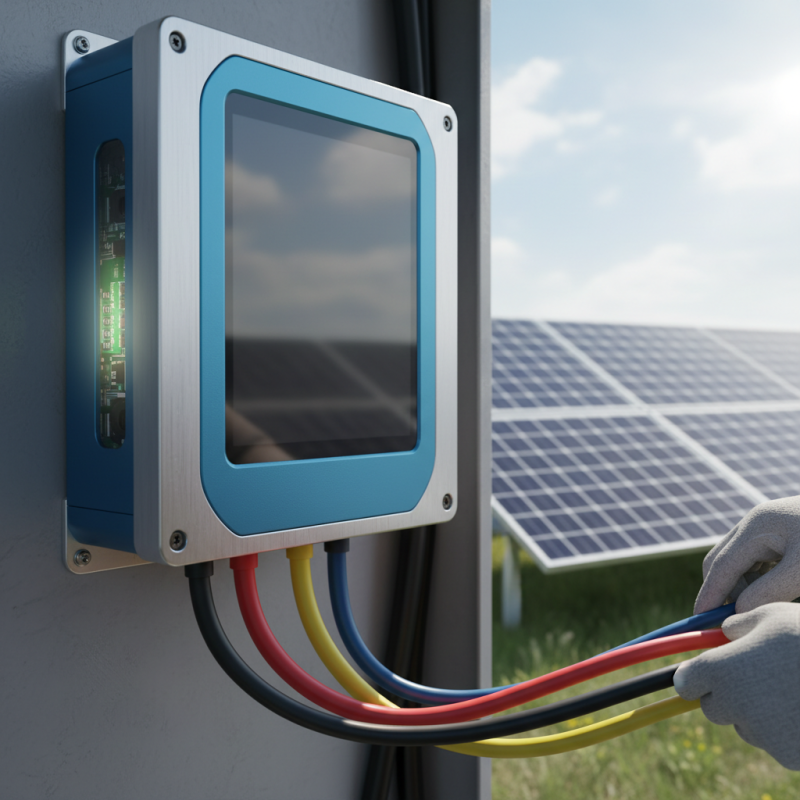
Understanding MPPT Technology and Its Benefits for Solar Systems
MPPT, or Maximum Power Point Tracking, technology plays a crucial role in solar systems. It optimizes energy extraction from solar panels. By adapting to changing sunlight conditions, it ensures your system captures maximum energy. This dynamic approach enhances overall efficiency when compared to traditional charge controllers. As a result, your solar setup generates more power throughout the day.
Understanding its benefits is key. An MPPT controller can increase energy harvest by up to 30%. This efficiency is particularly noticeable during cloudy days or when the sun is low in the sky. It continuously adjusts to ensure optimal performance.
However, during installation, calculating the exact load and panel specifications can be tricky. Many users find themselves confused by the technical details. Choosing the wrong controller can lead to underperformance, wasting investment.
Investing time in learning about MPPT technology is rewarding. Consider the system size, battery types, and environmental factors. You may realize you need more than just a basic controller for your needs. Reflect on these areas to make an informed decision. Each solar setup is unique, and taking time to understand MPPT will pay off in energy savings.
Key Factors to Consider When Selecting an MPPT Controller
Choosing the right MPPT controller is crucial for optimizing your solar system's performance. Start by examining the rated input voltage. This ensures compatibility with your solar panels. An incompatible voltage can lead to inefficiencies and potential damage. Pay attention to the maximum current rating as well. If the current exceeds this limit, the controller may overheat and fail.
Next, consider the efficiency of the MPPT controller itself. Efficient controllers can significantly increase the energy harvested from your panels. Look for options that claim a higher efficiency range. However, be wary of overly ambitious claims. Real-world performance might differ.
Another factor is the controller's features. Some have built-in monitoring systems. These can help you track performance in real-time. Still, not everyone needs an extensive feature set. Sometimes, simplicity is better for maintenance. Reflect on your actual needs versus marketing hype. Balancing cost and functionality is essential. It may require some trial and error to find the perfect fit for your system.
Comparing MPPT Controllers: Features and Specifications
When choosing an MPPT solar controller, features and specifications are crucial. A key aspect to consider is efficiency. According to the National Renewable Energy Laboratory, MPPT controllers can improve solar system efficiency by up to 30%. This means more power generation for your setup. Another vital specification is the input voltage range. Some controllers function optimally between 12V and 48V. Choosing a controller with a wider input range can accommodate future expansions.
Battery compatibility is also significant. Many controllers support different types of batteries, such as lithium and lead-acid. A study from the Solar Energy Industries Association highlights that over 70% of solar setups use lithium batteries due to their longevity and performance. However, some controllers may not work well with every battery type. Check the specifications closely to avoid issues.
Another feature to ponder is the monitoring system. Some controllers offer Bluetooth or Wi-Fi connectivity for real-time data. This feature helps users identify inefficiencies and adjust usage patterns. However, not all MPPT controllers provide this option, so it’s a point to reflect on. Advanced features can enhance your experience, but they often come with increased complexity. Balancing simplicity and functionality is essential for a well-functioning solar system.
How to Choose the Best Solar MPPT Controller for Your System? - Comparing MPPT Controllers: Features and Specifications
| Controller Model | Voltage Range (V) | Max Solar Input Current (A) | Efficiency (%) | Battery Type Support | Special Features |
| MPPT-30 | 12V/24V | 30A | 95% | Lead Acid, Li-ion | LCD Display, USB Port |
| MPPT-40 | 12V/24V | 40A | 96% | Lead Acid, Gel | Temperature Compensation |
| MPPT-60 | 12V/24V | 60A | 97% | Li-ion, NiMH | Remote Monitoring |
| MPPT-80 | 12V/24V | 80A | 98% | Lead Acid, Lithium | Smart Charging |
| MPPT-100 | 12V/24V | 100A | 99% | Lead Acid, Li-ion, Calcium | Multi-Stage Charging |
Assessing Compatibility with Your Solar System Setup
When choosing the best solar MPPT controller, assessing compatibility is crucial. Different solar systems have unique needs. For instance, system voltage can be a significant factor. Many solar setups operate on 12V, 24V, or 48V. Selecting a controller that matches your system's voltage is essential for optimal performance. The wrong voltage can lead to inefficiency.
Battery types also play a role. Lithium-ion and lead-acid batteries have different charging profiles. Your MPPT controller should align with these profiles to maximize charging efficiency. Research shows a significant increase in performance when the controller is well-suited to the batteries in the system. A mismatch can result in slower charging and reduced battery lifespan.
It's wise to consider the overall wattage of your solar panels. Controllers vary in their maximum input capability. Many can handle from a few hundred watts to several kilowatts. Ensure your controller can manage the total output of your solar array. A common mistake is selecting a controller with too low a wattage rating. This can cause overheating or underperformance, requiring costly upgrades later. Always check compatibility to avoid these drawbacks.
Evaluating Installation and Maintenance Needs for MPPT Controllers
When considering an MPPT (Maximum Power Point Tracking) controller, installation and maintenance needs are crucial. Properly evaluating these factors can enhance system performance. A poorly installed controller may fail to optimize solar energy capture, leading to reduced efficiency. According to the National Renewable Energy Laboratory, a 1% increase in efficiency can lead to a 10% increase in energy harvest over 25 years.
Maintenance also plays a role in ensuring longevity. Check for loose connections and dirt accumulation regularly. This can prevent energy loss and prolong the life of your system. A study from the Solar Energy Industries Association found that nearly 30% of solar system failures are due to installation errors. Shoddy installation can negate the benefits of an MPPT controller.
Tips: Consider the location and accessibility of your MPPT controller. Choose a spot that’s easy to reach for routine checks. Ensure that the installation area is clean and free from obstructions. Regular inspections can make a significant difference in performance. Advanced monitoring features can also aid in early detection of issues, but keep in mind that technology can sometimes fail. Thus, manual checks are still important.
Efficiency Comparison of Different MPPT Controllers
This bar chart compares the efficiency of different MPPT controllers. Selecting an efficient controller is crucial for maximizing the performance of your solar power system.