4560 Eastgate Pkwy

Mississauga, ON.

1-888-331-3305

416-559-SOLR (7657)

Why Choose Solar Energy for Your Home?

Choosing solar energy for your home is a decision that can shape your future. According to Dr. Emily Thompson, a leading expert in renewable energy, "Solar energy is not just a choice; it's a responsibility toward our planet." This statement reflects a growing awareness of our environmental impact.

When considering solar energy, think about the benefits. It can significantly reduce your electricity bills. Panels can last more than 25 years, providing long-term savings. Yet, many still hesitate. Initial costs and installation complexities can be daunting. It's vital to research and find trustworthy installation services.

Solar energy also brings uncertainty. Weather patterns affect efficiency. Some areas might not receive enough sunlight year-round. Despite these challenges, the advantages often outweigh the drawbacks. Investing in solar energy could lead to greater independence from traditional energy sources. Ultimately, the choice to embrace solar may contribute to a sustainable future for generations.

Why Choose Solar Energy for Your Home?

Benefits of Solar Energy for Residential Use

Solar energy offers significant benefits for residential use. Homeowners can reduce their electricity bills substantially. By harnessing sunlight, families can generate their own power. This leads to less reliance on the grid. The initial installation costs can be high, but incentives may help. Tax credits and rebates often make the transition easier.

Many homes benefit from a lower carbon footprint. This environmentally friendly approach reduces greenhouse gas emissions. However, the effectiveness of solar panels depends on your location. Some areas receive more sun than others. Weather conditions and roof orientation can affect energy production. It’s important to consider these factors when making a decision.

Investing in solar energy tends to increase property value. Homebuyers appreciate the appeal of lower utility costs. Yet, not everyone may see immediate financial returns. The technology is advancing, but some panels still have limitations. Battery storage options can be pricey, impacting overall savings. Homeowners should weigh these aspects carefully.

Why Choose Solar Energy for Your Home? - Benefits of Solar Energy for Residential Use

Benefit Description Impact
Cost Savings Reduction in electricity bills due to reliance on solar energy. Can save homeowners thousands over the lifespan of the system.
Environmental Impact Fewer greenhouse gas emissions compared to fossil fuels. Helps combat climate change and reduce environmental footprint.
Energy Independence Decreases dependence on traditional energy sources. Enhances energy security for homeowners.
Increased Home Value Solar installations can enhance property value. Homes with solar systems often sell for more than those without.
Low Maintenance Costs Solar energy systems require minimal upkeep. Saves money and time on maintenance and repairs.

Cost Savings Through Solar Energy Adoption

Solar energy offers significant cost savings for homeowners. By adopting solar, families can reduce their electricity bills substantially. Many homeowners see a drop in monthly expenses. This can amount to thousands over the years. Investing in solar panels often leads to long-term financial benefits.

Initial installation costs may seem high. However, incentives and rebates can alleviate some of these expenses. It’s essential to do proper research to understand the potential savings. Some homeowners find it challenging to navigate the available tax credits. Every region has different rules and incentives. Keeping track can be a hassle.

Maintenance costs are generally low, but they shouldn’t be overlooked. Regular checks on solar panels ensure optimal performance. This can prevent unexpectedly high repair costs. Understanding these factors can empower homeowners. Adopting solar energy ultimately promotes financial stability while supporting environmental goals.

Cost Savings Through Solar Energy Adoption

This chart illustrates the projected cost savings a homeowner can achieve by adopting solar energy over a five-year period. As more energy is produced from solar panels, the savings increase annually, showcasing the financial benefits of investing in solar energy.

Environmental Impact of Solar Energy Systems

Why Choose Solar Energy for Your Home?

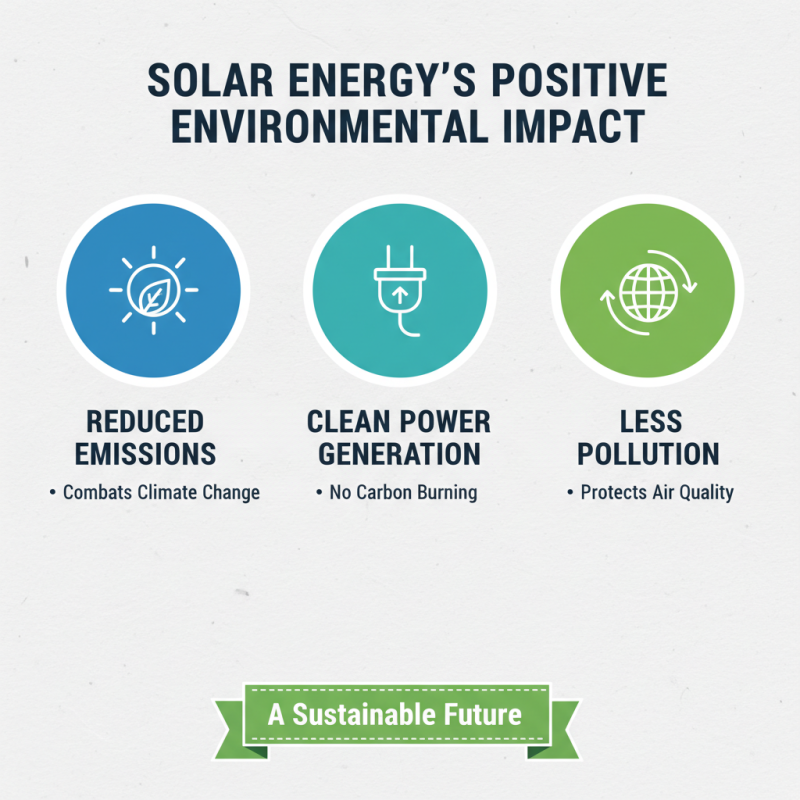
The environmental impact of solar energy systems is profound. They significantly reduce greenhouse gas emissions. Unlike fossil fuels, solar energy generates power without burning carbon. This process combats climate change effectively.

Solar panels also help reduce air pollution. Traditional energy production releases harmful pollutants into the atmosphere. Solar energy operates cleanly, providing a healthier environment. Local wildlife benefits from reduced habitat disruption compared to conventional energy sources.

However, the manufacturing of solar panels poses some environmental concerns. The production involves mining and processing raw materials. This requires energy and resources. It’s important to look for ways to improve these processes. Balancing the benefits and drawbacks of solar technology is essential for truly sustainable energy solutions.

Understanding Solar Energy Technology and Installation

Solar energy technology has advanced significantly. Many homeowners are exploring solar systems for their residences. A report by the National Renewable Energy Laboratory shows that solar panels can reduce electricity bills by 50-70%. This is not just a trend. It’s a shift towards sustainable living.

Installation of solar panels has its challenges. Homeowners might face high upfront costs. Experts indicate that the average installation ranges from $15,000 to $25,000. However, many states offer incentives and tax credits. These can offset initial expenses, making solar more accessible. Installation can take several days and varies based on home design.

Understanding how solar technology works is crucial. Solar panels convert sunlight into electricity using photovoltaic cells. These cells generate DC electricity, which then gets converted into AC for home use. Regular maintenance is simply important. Dust and debris can decrease efficiency by 20%. Overall, while solar energy is promising, awareness of both benefits and challenges is essential.

Government Incentives and Rebates for Solar Energy Systems

Why Choose Solar Energy for Your Home?

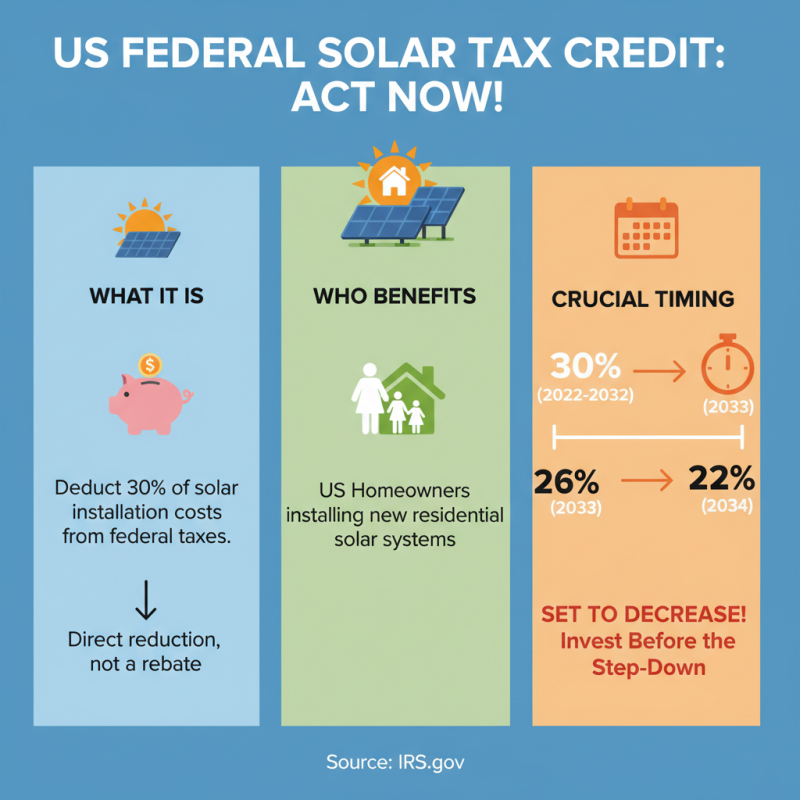
Many homeowners are exploring solar energy options. Government incentives are often a significant driving force. In the U.S., the federal solar tax credit allows homeowners to deduct 30% of the installation costs from their federal taxes. This incentive is set to decrease in the coming years, making now a crucial time to invest.

State and local governments also offer rebates. For example, California provides financial incentives that can cover a substantial portion of installation costs. Some areas even have programs that reduce the upfront cost to zero, making solar more accessible. These incentives can dramatically improve the return on investment for homeowners.

However, navigating these programs can be challenging. Not all states have the same benefits. Homeowners should research local policies thoroughly. Understanding these incentives is essential for maximizing savings. Some might miss opportunities due to lack of information. Collecting data and consulting professionals can clarify the best paths forward.