Why Choose Solar Energy for Your Business Sustainability?
In today's rapidly changing business landscape, choosing sustainable energy sources is crucial. Companies face pressure to reduce their carbon footprints and embrace environmentally friendly practices. Solar energy stands out as a leading option. It offers numerous benefits, including lower energy costs and a reduced impact on the environment. More businesses are adopting solar energy to meet sustainability goals.
However, transitioning to solar energy is not without challenges. Initial investment costs can be high, and there may be technical hurdles to overcome. Businesses must carefully evaluate their energy needs and local regulations. Moreover, the inconsistent output of solar energy needs attention. Proper planning and expertise are essential for harnessing its full potential.
Despite these hurdles, the long-term benefits often outweigh the initial difficulties. Solar energy can enhance a company's image and customer loyalty. As we explore further, we'll discuss why embracing solar energy is a practical choice for business sustainability.

Benefits of Solar Energy for Business Sustainability
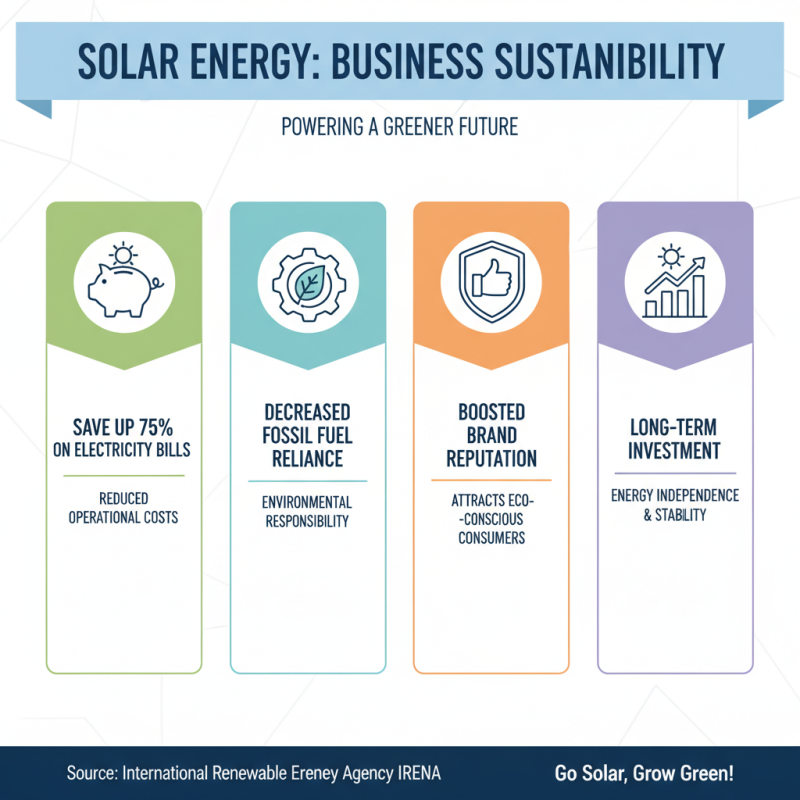
Solar energy has become a vital component in promoting business sustainability. Its numerous benefits can significantly impact operational costs and environmental responsibility. According to the International Renewable Energy Agency, businesses can save up to 75% on electricity bills by switching to solar energy. This transition not only lessens reliance on fossil fuels but also enhances brand reputation among eco-conscious consumers.
Moreover, investments in solar energy systems can yield financial incentives. A report from the U.S. Department of Energy indicates that government tax credits and rebates can cover a significant portion of installation costs, enabling businesses to recover their investments quickly. In 2022, companies that adopted solar experienced an average return on investment of over 20%.
Thinking about going solar? Here are some tips: Start by assessing your energy usage patterns. Consider how much sunlight your location receives annually. Investigate community solar programs that offer shared solar solutions. Evaluate your financial options to optimize upfront costs versus long-term savings. Adopting solar energy may seem complex, yet it remains a transformative step towards sustainable business practices.
Cost Savings Through Solar Power Implementation
The implementation of solar power can lead to significant cost savings for businesses. Companies can reduce or even eliminate their electricity bills with the right solar setup. This shift allows funds to be redirected toward growth initiatives or employee benefits.
Installing solar panels may have upfront installation costs. However, these costs are often offset by various incentives and long-term savings. With federal tax credits and state rebates, the financial burden decreases. Businesses may also find that their investment in solar leads to predictable energy costs over time. This can shield them from the fluctuating energy market.
Moreover, solar energy can enhance a business's image. Being environmentally conscious can attract customers who prioritize sustainability. However, companies must remain aware of maintenance and efficiency issues over time. Regular assessments are essential to ensure the system operates at optimal levels.
Cost Savings Through Solar Power Implementation
Environmental Impact of Solar Energy Adoption
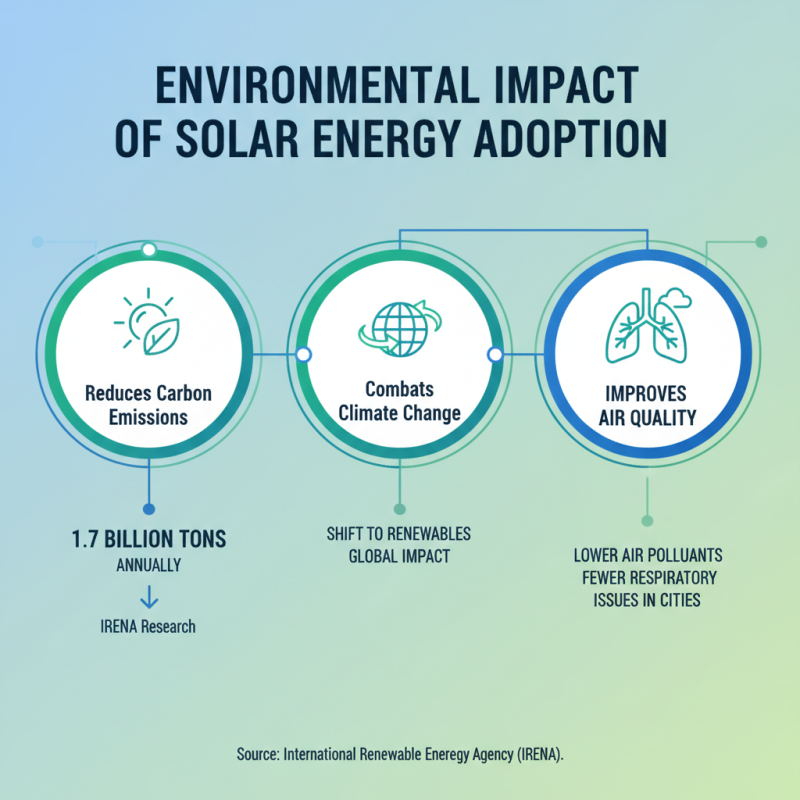
Adopting solar energy has significant environmental benefits. Research from the International Renewable Energy Agency indicates that solar power can reduce carbon emissions by approximately 1.7 billion tons annually. This gradual shift to renewable sources greatly aids in combatting climate change. Moreover, solar energy significantly lowers air pollutants, contributing to improved air quality. In urban areas, this can lead to fewer respiratory issues among residents.
Transitioning to solar energy helps conserve water. Traditional energy sources require substantial water for cooling and processing. According to the Solar Energy Industries Association, solar power uses 90% less water than fossil fuel counterparts. This conservation is crucial, especially in drought-prone regions. Companies can also benefit financially while contributing to sustainability efforts.
However, challenges persist. The installation of solar panels can be expensive upfront, and the technology is still evolving. Companies must weigh the immediate investment against long-term benefits. The recycling of solar panels at the end of their life cycle is also a growing concern. As demand for solar energy increases, addressing these issues is essential for truly sustainable practices.
Enhancing Brand Image with Sustainable Practices
Investing in solar energy can significantly enhance a business’s brand image. Consumers increasingly favor companies that demonstrate sustainability. Using solar panels signals a commitment to reducing carbon footprints. This choice can attract eco-conscious customers. Businesses can market their renewable energy use, creating a positive perception.
Sustainable practices can build a strong identity. A company using solar energy is often seen as innovative. This impression resonates well with younger consumers. They appreciate brands that align with their values. Moreover, transparency about energy sourcing can foster trust. Sharing progress around solar energy initiatives keeps customers engaged.
However, transitioning to solar isn’t without challenges. Installation costs can be high upfront. Not all businesses have space for solar panels. Some customers may still doubt the effectiveness of solar energy. Addressing these concerns openly can strengthen brand credibility. Businesses can show they are not just profit-driven but also care for the environment.
Government Incentives and Support for Solar Energy Projects
As businesses explore sustainability options, government incentives for solar energy projects play a crucial role. In recent years, multiple governments have announced various tax credits and grants to promote solar adoption. For instance, the Federal Investment Tax Credit (ITC) allows businesses to deduct a significant percentage of installation costs from their federal taxes.
According to the Solar Energy Industries Association (SEIA), the solar sector has grown by over 167% since 2010, driven partly by these incentives. Additionally, states like California and New York offer rebates and financing options that lower the upfront costs for businesses. Such incentives can sometimes cover 30-50% of total project costs.
While these financial supports are beneficial, not all businesses are aware of them. Outreach and education about these programs are essential. Companies need to evaluate local policies and requirements. A lack of understanding can hinder a business’s ability to capitalize on available funding. Embracing solar energy could significantly offset operational costs in the long run, but it requires effort to navigate the complexities of government support.