How to Choose the Right Solar Panel System for Your Home in 2023
In 2023, the importance of harnessing renewable energy sources has never been more crucial, and homeowners are increasingly turning to solar energy as a viable option. Choosing the right solar panel system for your home is not just a matter of improving your energy efficiency; it's also about making a long-term investment in your property and the environment. With an array of options available, understanding the key factors that influence your decision will help you select a system that best meets your energy needs and budget.
When evaluating a solar panel system, several elements come into play, including the type of panels, installation costs, and geographic location. Each home presents unique energy requirements, influenced by factors such as roof orientation and local climate conditions. By considering these variables, along with the technology available, homeowners can make an informed choice that maximizes energy output while minimizing costs. This guide aims to illuminate the essential considerations for selecting a solar panel system, ensuring that your transition to solar energy is seamless and beneficial in the years to come.

Understanding Your Home's Energy Needs
When selecting a solar panel system for your home in 2023, understanding your home's energy needs is crucial. Analyzing your household’s energy consumption can help you determine the appropriate size and capacity of the solar system. According to the U.S. Energy Information Administration, the average American household uses about 877 kWh per month, which translates to approximately 10,500 kWh annually. Knowing your monthly consumption allows you to estimate how much of that can be offset by solar energy, guiding your investment in a system that meets your specific requirements.
Tip: To effectively gauge your energy needs, review your past electricity bills for a 12-month period. Pay attention to seasonal variations in usage, as higher consumption may occur during certain months due to heating or cooling demands. Additionally, consider future changes in your lifestyle or upgrades to energy-consuming appliances.
Furthermore, the efficiency of solar panels plays a significant role in determining the overall energy production of your system. With advancements in technology, modern solar panels can achieve efficiencies ranging from 15% to 22%, depending on the panel type. Understanding how many panels you need to achieve your energy goals is key. This is where your energy calculations, coupled with the efficiency ratings of different panels, will help you make informed decisions about your solar investment.
Tip: Consult with a solar professional to analyze your energy needs and bidirectional capabilities of solar systems. A tailored assessment can help optimize your installation, ensuring you maximize your energy savings and environmental impact.
Solar Energy Production by System Size (kW) in 2023
This chart illustrates the annual energy production of different solar panel system sizes in kilowatt-hours (kWh) for 2023. It helps homeowners to understand how much energy each system size can generate, allowing for better decision-making when choosing the right solar panel system based on their energy needs.
Evaluating Different Types of Solar Panel Technologies
When evaluating different types of solar panel technologies for your home in 2023, it’s essential to understand the main options available in the market. The two dominant types are monocrystalline and polycrystalline solar panels. Monocrystalline panels are known for their high efficiency and space efficiency, typically converting around 20-22% of sunlight into energy. According to the National Renewable Energy Laboratory (NREL), these panels perform better in low-light conditions, making them ideal for various climates. In contrast, polycrystalline panels tend to be more affordable but come with slightly lower efficiency rates, generally around 15-17%.
Another emerging technology is thin-film solar panels, which offer flexibility and lightweight solutions. These panels are often more aesthetically pleasing and can be integrated into building materials. However, they generally have lower efficiency, hovering around 10-12%. According to a report by the International Energy Agency (IEA), the adoption of thin-film technologies is on the rise, particularly for large-scale commercial installations, as their installation costs continue to decrease.
Tips: When choosing a solar panel system, consider factors like your energy needs, available roof space, and budget. Additionally, research local incentives for solar energy, as they can greatly influence your return on investment. Always seek professional input to assess the best technology suited for your home, taking into account your location and specific energy demands.
How to Choose the Right Solar Panel System for Your Home in 2023 - Evaluating Different Types of Solar Panel Technologies
| Solar Panel Type |
Efficiency (%) |
Cost per Watt (USD) |
Lifespan (Years) |
Ideal Use Case |
| Monocrystalline |
15-22% |
$0.75 - $1.00 |
25+ |
Residential rooftops |
| Polycrystalline |
13-16% |
$0.60 - $0.85 |
25+ |
Larger rooftops, budget options |
| Bifacial |
18-24% |
$0.90 - $1.20 |
25+ |
Ground-mounted, high-efficiency setups |
| Thin-film |
10-13% |
$0.50 - $0.70 |
10-20 |
Shade-prone areas, flexible installations |
Assessing Installation Costs and Financial Incentives
When considering the installation of a solar panel system for your home in 2023, it is essential to assess not only the upfront costs but also the long-term financial incentives available. Installation costs can vary widely based on factors such as system size, complexity of installation, and geographical location. Engaging with multiple contractors can provide a clearer picture of the price range, allowing homeowners to compare quotes and find the best deal for their needs. Additionally, potential buyers should account for the costs of necessary components like inverters and batteries, which can significantly impact the overall investment.
Financial incentives play a crucial role in making solar energy more accessible and affordable. Many governments offer incentives such as tax credits, rebates, and grants to encourage residential solar installations. These incentives can significantly reduce the initial investment and improve the return on investment over time. Homeowners should research federal, state, and local programs that may be available to them, as these can greatly influence the decision to go solar. Furthermore, net metering policies allow homeowners to sell excess energy back to the grid, providing an additional revenue stream and further enhancing the financial benefits of adopting solar energy solutions.
Choosing the Right Size and Capacity for Your System
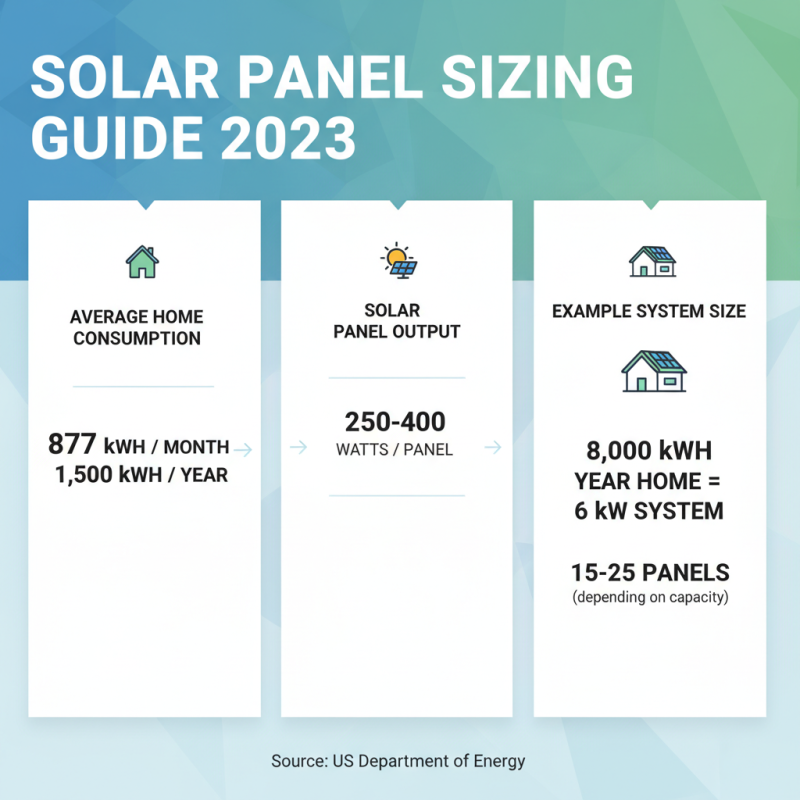
When selecting the right size and capacity for your solar panel system in 2023, it’s essential to consider your household's energy consumption and geographical location. According to the U.S. Department of Energy, the average American home consumes about 877 kWh per month, which roughly translates to about 10,500 kWh annually. This figure serves as a baseline for determining the number of solar panels you will need to meet your energy requirements. Typically, a standard solar panel generates between 250 to 400 watts of power under optimal conditions. For instance, if you determine your home needs around 8,000 kWh per year, a solar system sized at approximately 6 kW would be suitable, requiring about 15-25 solar panels, depending on their capacity.
Furthermore, it is crucial to factor in your local climate and solar insolation levels, which significantly influence system efficiency. The National Renewable Energy Laboratory (NREL) indicates that a solar panel system's performance can be affected by factors such as shading, orientation, and seasonal changes in sunlight. Regions with higher solar insolation, such as the Southwest U.S., can achieve greater energy production with fewer panels compared to areas with less sunlight. Therefore, assessing your specific energy needs alongside local environmental conditions will help you choose a solar panel system that not only fits your energy requirements but also maximizes the return on your investment.
Selecting a Reputable Installer and Warranty Options
When choosing a solar panel system for your home, selecting a reputable installer is crucial to ensure the system operates efficiently and lasts for years. A good installer will have a solid track record, positive customer reviews, and proper certifications. Start by researching local companies and looking for those with experience in installing solar systems similar to what you want. Free estimates and consultations are a great way to gauge their knowledge and customer service. Additionally, inquire about their previous projects, and don't hesitate to ask for references to verify their reputation.
Warranty options are another significant factor to consider when selecting a solar panel system. A comprehensive warranty not only protects your investment but also provides peace of mind. Look for installers that offer warranties covering both the equipment and the installation process. Typically, solar panels come with a performance warranty of 25 years, ensuring they will produce a certain percentage of energy over that period. Installation warranties should also last several years, promising that any issues arising from installation will be rectified without additional cost. Understanding the specifics of these warranties will help you make an informed decision and safeguard your solar investment for the future.