How to Choose the Best Solar Panels for Your Home in 2023
In an era where sustainability and energy efficiency are paramount, choosing the right solar panels for homes has become a pivotal decision for homeowners in 2023. As John Smith, a leading expert in the solar energy industry, aptly puts it, "The right solar panels not only reduce your carbon footprint but also significantly lower your energy bills." This statement encapsulates the importance of making an informed choice when selecting solar panels for homes, underscoring the dual benefits of environmental responsibility and cost savings.
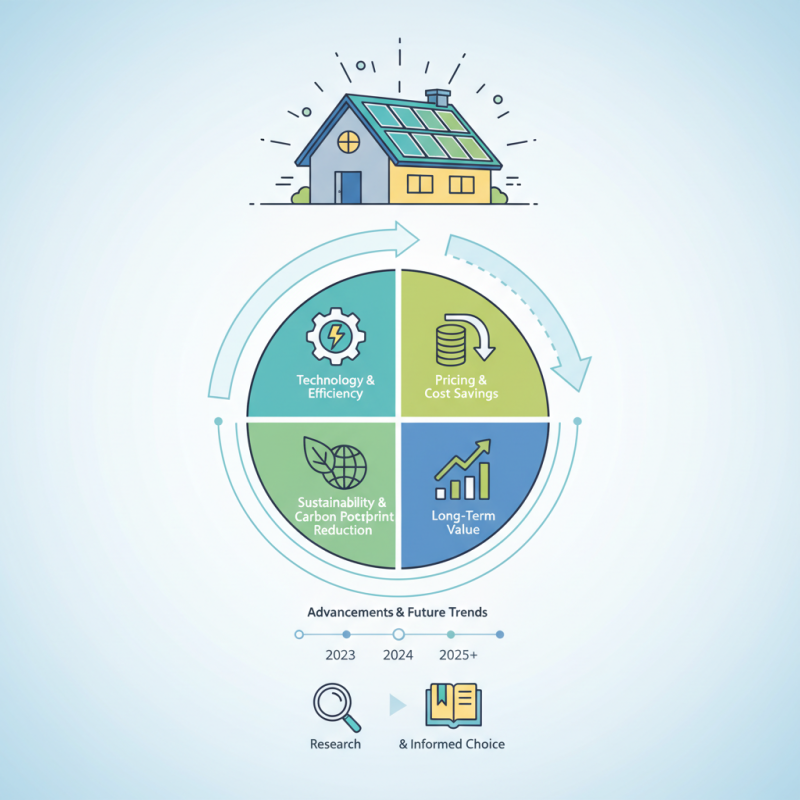
Homeowners are now presented with a myriad of options ranging from different technologies, efficiencies, to pricing. Understanding these variables is crucial to ensure that the solar panels installed will meet energy needs and provide long-term value. With advancements in solar technology, the market is more competitive than ever, making it essential for consumers to stay informed on the latest developments and trends in solar energy. Taking the time to research and choose the right solar panels for homes can lead to significant benefits and a sustainable future for generations to come.
Factors to Consider When Selecting Solar Panels for Your Home
When choosing solar panels for your home in 2023, several crucial factors come into play to ensure you make an informed decision. Firstly, the size of the solar panels is paramount. It’s essential to consider your roof space and the energy needs of your household. Larger panels may generate more electricity but require adequate installation space. Additionally, the efficiency rating of the panels should be evaluated, as higher efficiency can lead to better energy production and lower overall costs in the long run.
Another significant factor influencing your choice is the cost-effectiveness of the solar panels. As studies have shown, cost savings are a primary motivation for many homeowners moving towards solar energy. It is vital to assess both the upfront installation costs and the potential long-term savings on energy bills. Understanding local incentives and rebates can further reduce costs, making solar installations more financially viable. Evaluating these elements will help you identify the best solar panel system that aligns with your specific energy needs and financial goals.
Comparison of Solar Panel Efficiency and Cost in 2023
Types of Solar Panels: Which is Right for Your Needs?
When selecting solar panels for your home, understanding the types available is crucial. The three primary types are monocrystalline, polycrystalline, and thin-film solar panels. Monocrystalline panels are made from single crystal structures, offering high efficiency and longevity. They are ideal for homeowners with limited roof space, as they generate more power per square foot. However, they tend to be pricier compared to other options.
Polycrystalline solar panels, on the other hand, consist of multiple crystal structures. They are generally less efficient than monocrystalline panels but come at a more affordable price point. This makes them a suitable choice for homeowners looking for a balance between cost and efficiency. Lastly, thin-film solar panels are lightweight and flexible, making them versatile for various installations. While they have lower efficiency rates, they can be a great option for those with ample roof space or unconventional mounting needs. By assessing your specific requirements and budget, you can determine which type of solar panel aligns best with your energy goals.
Assessing Solar Panel Efficiency and Output Ratings
When selecting solar panels for your home, understanding the efficiency and output ratings is crucial. Efficiency refers to the percentage of sunlight that the solar panel can convert into usable electricity. In 2023, high-efficiency panels typically range from 18% to over 22%, with advancements in technology pushing these boundaries even further. Choosing a panel with higher efficiency means you can generate more electricity from a smaller surface area, which is particularly beneficial for homes with limited roof space.
Output ratings, usually measured in watts, indicate the maximum electrical power a solar panel can produce under standard test conditions. It’s essential to consider both the efficiency and output ratings when assessing a solar panel’s overall performance. Higher wattage panels can deliver more energy, especially in optimal sunlight conditions. However, it is equally important to contextualize these ratings with your energy needs and local climate conditions. By carefully balancing both efficiency and output ratings, homeowners can make informed decisions that will optimize their solar energy systems for lasting performance and financial savings.
Understanding Installation Costs and Financial Incentives
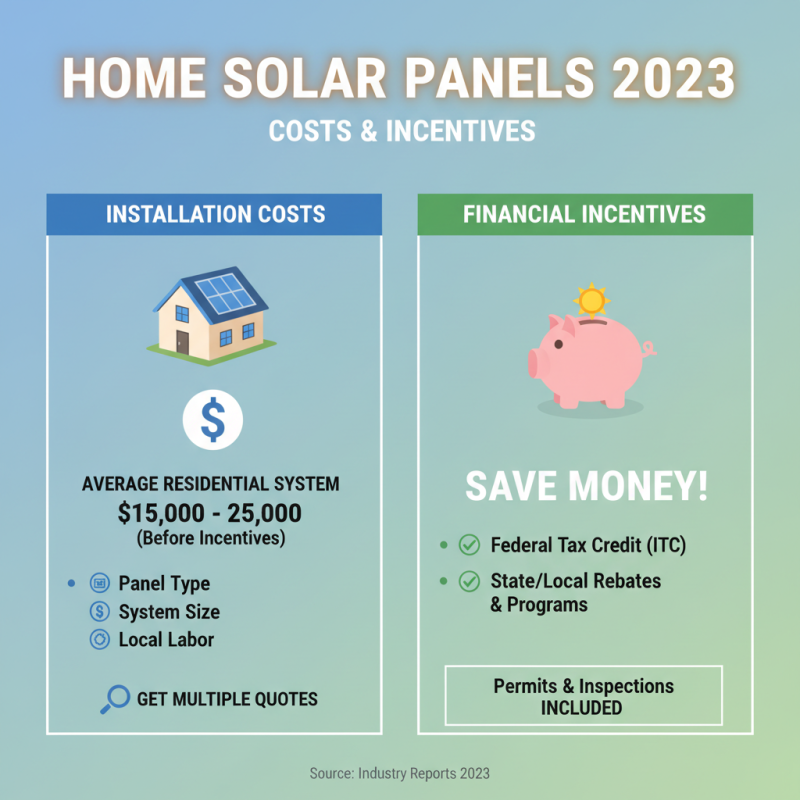
When considering solar panels for your home in 2023, understanding installation costs and financial incentives is crucial. Installation prices can vary significantly, influenced by factors such as panel type, the size of the system, and labor costs in your area. On average, a residential solar energy system can range from $15,000 to $25,000 before any incentives. It's essential to obtain multiple quotes from reputable installers to ensure you get the best deal while covering all your installation needs, including permits and inspections.
Financial incentives can considerably offset installation costs. In 2023, homeowners can benefit from federal tax credits, which allow you to deduct a percentage of your solar installation costs from your federal taxes. Additionally, many states and local utilities offer rebates, grants, and low-interest loans to encourage solar adoption. These programs can significantly reduce your upfront investment, making solar energy a more accessible option. Researching available incentives in your region is a vital step in maximizing your savings and making a well-informed decision about your solar panel purchase.
Evaluating Warranty and Manufacturer Reputation
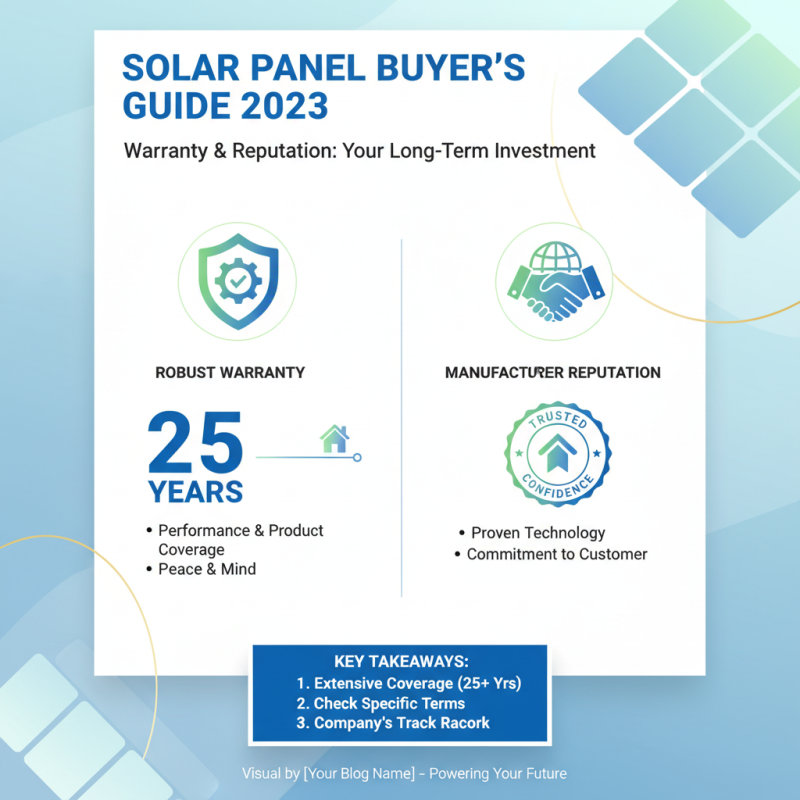
When selecting solar panels for your home in 2023, evaluating the warranty and manufacturer reputation should be at the forefront of your decision-making process. A robust warranty provides peace of mind, ensuring that the panels not only work efficiently but also last for decades. Look for manufacturers offering extensive warranties—typically around 25 years—for performance and product. This indicates confidence in their technology and commitment to customer satisfaction. Additionally, check the specific terms of the warranty. Coverage conditions and provisions for repair or replacement can vary significantly among manufacturers.
Manufacturer reputation is equally crucial. Research their history in the solar industry, paying attention to customer reviews and ratings. A company with a long-standing presence usually indicates reliability and quality. Look for manufacturers that have received certifications and accolades from reputable industry organizations, as these can be a testament to their quality and performance. Understanding the financial stability of a manufacturer is also essential; choose a brand that has demonstrated longevity and innovation to ensure they will be around to honor warranties in the future. By carefully evaluating these factors, you can make a more informed choice about the solar panels that will best meet your household needs.