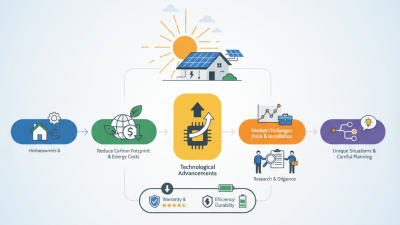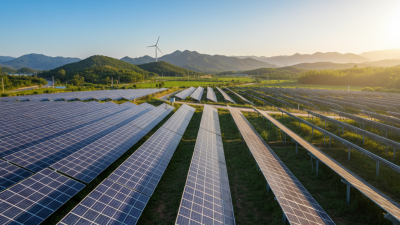
The global demand for home solar systems is on the rise, driven by increasing energy costs and environmental concerns. According to a report by the International Energy Agency, solar energy capacity reached 1,000 gigawatts globally in 2022, a clear indicator of its growing importance. More consumers are looking for sustainable energy solutions, which makes the home solar system a viable choice for many households.
China leads the world in solar technology. It supplies a significant percentage of the world's solar panels. However, not all solutions come without challenges. Prospective buyers must acknowledge quality variations and installation issues. As reported by Bloomberg New Energy Finance, about 30% of solar installations may face operational difficulties. This statistic emphasizes the need for reliable and expert advice in the selection process.
Understanding one's energy needs and budget is crucial. While the benefits are considerable, potential buyers must research thoroughly. This way, they can navigate the complexities of home solar systems. The journey toward solar energy is promising but requires diligence and informed choices.
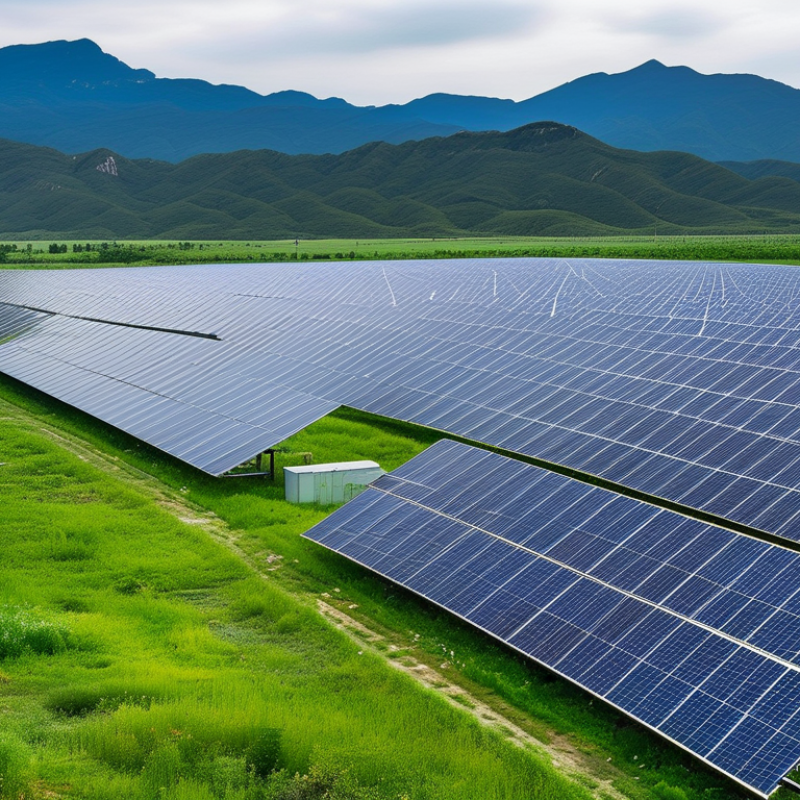
China's solar energy industry has experienced remarkable growth in recent years. The country is now a global leader in both solar panel manufacturing and installation. China's transition towards renewable energy has created a strong demand for home solar systems. This surge is driven by government policies encouraging green energy adoption and rising energy prices.
The market trends indicate a shift towards more efficient solar technologies. Homeowners are increasingly interested in integrated systems that combine solar panels with battery storage. This trend allows for greater energy independence. However, quality control remains a concern as the market expands. Many buyers are unsure about product reliability due to the influx of new manufacturers.
While there are numerous options for global buyers, navigating this market can be tricky. Understanding local regulations is essential. Buyers need to research and validate suppliers thoroughly. Some may find that the cheapest options do not always guarantee quality. It’s crucial for buyers to balance cost with durability and performance. This approach ensures a satisfying investment in solar energy.
China has become a global leader in home solar system solutions, offering innovative products to international buyers. A report by the International Renewable Energy Agency (IRENA) indicates that China's solar capacity reached 256 gigawatts in 2021, representing a significant portion of the world's total solar power capabilities. These systems are designed for efficiency and reliability, making them increasingly appealing to consumers worldwide. One key feature is their high energy conversion rates, often exceeding 20%. This performance is supported by advanced photovoltaic technologies.
Another notable aspect is the modular design of many solar systems. Modular systems are easier to install and scale, allowing homeowners to customize their energy solutions based on specific needs. Furthermore, many systems come equipped with smart monitoring features, enabling users to track energy production and usage in real-time. According to a report from Wood Mackenzie, the adoption of smart technology in solar systems has risen by over 30% in recent years, highlighting the shift towards smarter living.
However, potential buyers must consider varying quality standards. While many products are reliable, some may not meet international certifications. It’s crucial to research and seek systems with third-party endorsements. Not all installations achieve optimal performance due to location and environmental factors. Hence, attention to the suitability of these systems for specific home conditions is essential.
China has emerged as a leader in solar technology, appealing to global buyers with innovative solutions. The country boasts numerous manufacturers dedicated to developing advanced solar systems. Many of these manufacturers focus on high-efficiency solar panels and integrated energy storage systems. Their efforts aim to provide comprehensive solutions for diverse energy needs.
One notable trend is the integration of smart technology into solar products. This innovation allows for real-time energy monitoring and management. Homeowners can easily track their energy consumption and production from a smartphone. However, not every manufacturer has perfected this technology, leading to inconsistencies in user experience. Some products may require more frequent troubleshooting, affecting reliability.
Another area of innovation is the development of flexible solar panels. These are lightweight and can be installed in various locations. While they offer versatility, durability can sometimes be an issue. Buyers might need to weigh the benefits of portability against the potential for damage. Furthermore, manufacturers are continuously refining their designs. This ongoing evolution reflects the dynamic nature of the solar industry, prompting buyers to stay informed about the latest advancements.
In the quest for sustainable energy, home solar systems have gained popularity among global buyers. Various options exist, each with unique features. Understanding these can help in making informed decisions.
One critical aspect is energy efficiency. Some systems offer advanced technologies to maximize solar capture, ensuring more energy is converted for use. However, these systems may come at a higher initial cost. In contrast, simpler setups can be more affordable but may not utilize solar energy as effectively. Quality of components also varies, impacting longevity and performance.
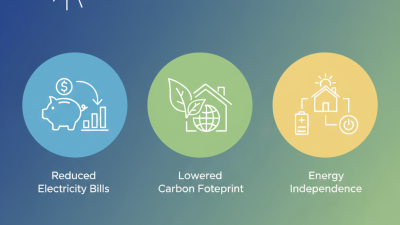
If a home solar system does not meet energy needs, adjustments will be necessary later. Prospective buyers must assess their requirements carefully. They should consider local climate, sunlight exposure, and energy consumption patterns. A well-chosen system can significantly reduce electricity bills and carbon footprint. However, the right choice requires research and consideration of personal circumstances.
Importing solar solutions from China offers an exciting opportunity for global buyers, yet it comes with challenges. One major consideration is ensuring product quality. Not all manufacturers adhere to the same standards. Variability in components can lead to performance issues. Buyers should conduct thorough research on suppliers and consider third-party inspections.
Another challenge is understanding import regulations. Different countries have varying rules governing solar equipment. Regulatory compliance is essential to avoid unexpected delays or fines. Ensure that the products meet the necessary certifications in your target market. Understanding these regulations will save time and effort in the long run.
Be prepared for logistical hurdles. Shipping solar solutions can be complex. Factors like customs clearance and shipping timelines can affect delivery. It’s crucial to work with experienced logistics partners who understand the nuances of the solar industry. This can help mitigate potential setbacks and ensure a smooth import process. Always keep an open line of communication with your suppliers and logistics providers.
This chart illustrates key metrics for solar systems offered by various suppliers in China, such as efficiency, cost per watt, average lifespan, warranty duration, and market growth. These factors are important for global buyers when considering importing solar solutions.