Best Solar Power System for Home Use in 2026?
As we approach 2026, the shift towards sustainable energy is evident. Solar power systems are leading this change. According to the International Energy Agency, solar energy is projected to become the largest source of electricity by the end of the decade. This growth is driven by advancements in solar technology and declining costs.
Homeowners are increasingly investing in solar power systems. A recent report shows that residential solar installations could reach 30 million homes by 2026. This trend is not merely about investment; it's also about energy independence. However, challenges remain. For many, understanding which solar power system suits their needs can be overwhelming.
Despite the benefits, selection requires careful consideration. Some systems may not be compatible with existing infrastructure. Homeowners should evaluate efficiency ratings and installation costs. It's crucial to reflect on both short-term expenses and long-term savings. The right choice in solar power systems can lead to significant benefits, but it necessitates informed decision-making.
The Importance of Solar Power Systems for Home Use in 2026
The importance of solar power systems for home use in 2026 is becoming increasingly clear. As energy costs continue to rise, families need reliable and economical solutions. Solar power offers independence from traditional energy sources. Homeowners can harness the sun's energy to reduce bills and increase self-sufficiency.
Incorporating solar systems can come with challenges. Installation costs may seem high initially. Homeowners must carefully assess their energy needs and space availability. Not every home is ideally suited for solar panels. Some roofs may not get enough sunlight, affecting energy production. Regular maintenance is also necessary. Neglecting system upkeep can lead to inefficiencies.
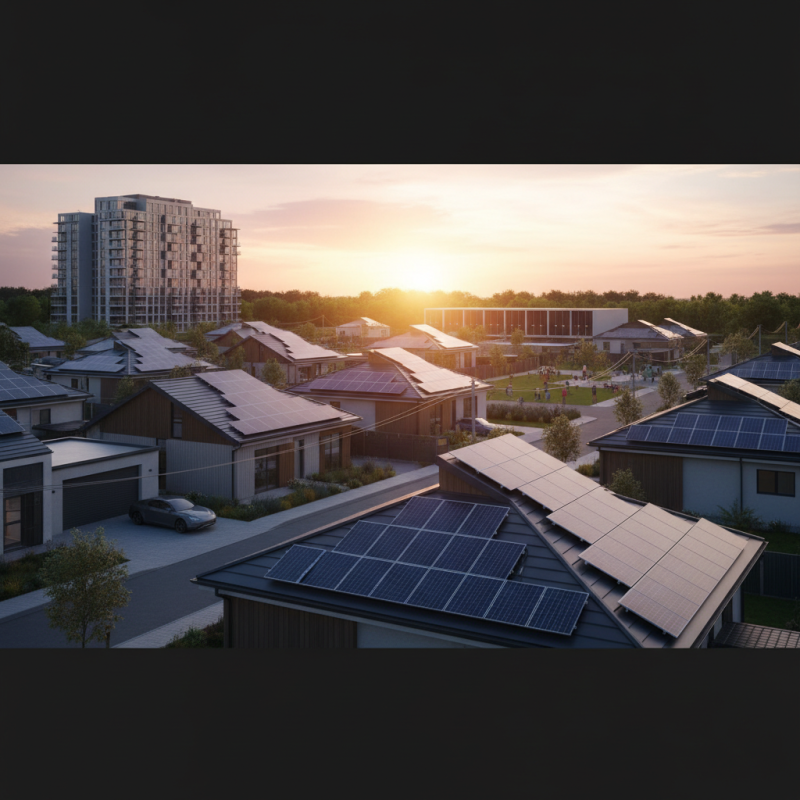
There is a growing awareness of the environmental benefits of solar energy. People are more conscious of their carbon footprint. Communities are exploring collective solar initiatives. While there is optimism, there are also concerns. Transitioning to solar power requires significant lifestyle changes. Education about proper usage and maintenance is essential. Not everyone is prepared to make these adjustments.
Best Solar Power System for Home Use in 2026
| Feature |
Value |
| System Type |
Grid-tied |
| Average Cost |
$15,000 - $25,000 |
| Efficiency Rate |
18% - 22% |
| Energy Output |
5kW - 12kW |
| Typical Lifespan |
25 years |
| Maintenance Frequency |
Every 2-3 years |
| Warranty Period |
10-25 years |
| CO2 Emission Reduction |
1.5 - 3 tons/year |
Key Features to Consider when Choosing Solar Power Systems
When selecting a solar power system for home use, several key features demand attention. The size of the system is crucial. Think about how much energy your household uses daily. Consider your roof space and sunlight exposure too. Systems vary widely in capacity and efficiency. A larger system may seem appealing, but it might not fit your home well.
Another important factor is battery storage. A good battery allows you to store excess energy for use at night or cloudy days. But batteries have different lifespans and costs. They can take time to recharge, impacting your energy use. Evaluate your need for backup power versus cost. It’s a balancing act.
Pricing is a major consideration. Solar power systems require an upfront investment. However, look beyond initial costs. Long-term savings should guide your decision. Confirm warranty options as well, as they reflect the manufacturer’s confidence. Yet remember, not all systems come with robust warranties. Poor choices here can lead to regret later on. Choosing wisely today can pay off in the future, but only if you thoroughly research and evaluate your options.
Top Solar Power Technologies Emerging for Residential Use
The future of residential solar power systems looks promising as new technologies emerge. One significant innovation is the integration of energy storage solutions. These systems can hold excess energy generated during the day. Homeowners can use this energy at night, improving efficiency. The opportunity to store solar power opens doors for better energy independence.
Another exciting development is the use of smart solar inverters. These devices optimize energy use by analyzing consumption patterns. They can automatically adjust settings for peak performance. However, users must ensure the technology fits with their home's requirements. Compatibility is often overlooked and can lead to problems.
Additionally, advanced solar panels are gaining traction. Bifacial panels capture sunlight on both sides, increasing efficiency. They work well in various environments, like rooftops and open fields. Yet, the installation process can be complex. Proper positioning is crucial, and not all homes can maximize their potential. Homeowners should weigh these factors carefully as they consider solar solutions.
Best Solar Power System for Home Use in 2026
Comparative Analysis of Leading Solar Power Brands for Homes
The solar power industry is rapidly evolving. In 2026, homeowners are looking for efficient and reliable solar systems. A comparative analysis of leading brands reveals distinct strengths and weaknesses. According to a recent study, over 60% of users prioritize efficiency. However, some brands have reported performance dips in certain conditions.
Consider the data: systems with higher solar panel efficiency often have a steeper installation cost. A 2023 survey showed that nearly 40% of homeowners felt price was the major barrier. Many also experienced confusion regarding warranties. A significant number of consumers struggled to understand the terms offered by different brands.
Battery storage is another key factor to examine. Data from industry reports suggests that 30% of users find battery options lacking. Many systems do not accommodate larger energy needs effectively. This indicates a critical area for potential improvement. Brands should focus on enhancing battery capacity to meet home energy demands as more households go solar.
Cost-Effectiveness and Financial Incentives for Home Solar Systems in 2026
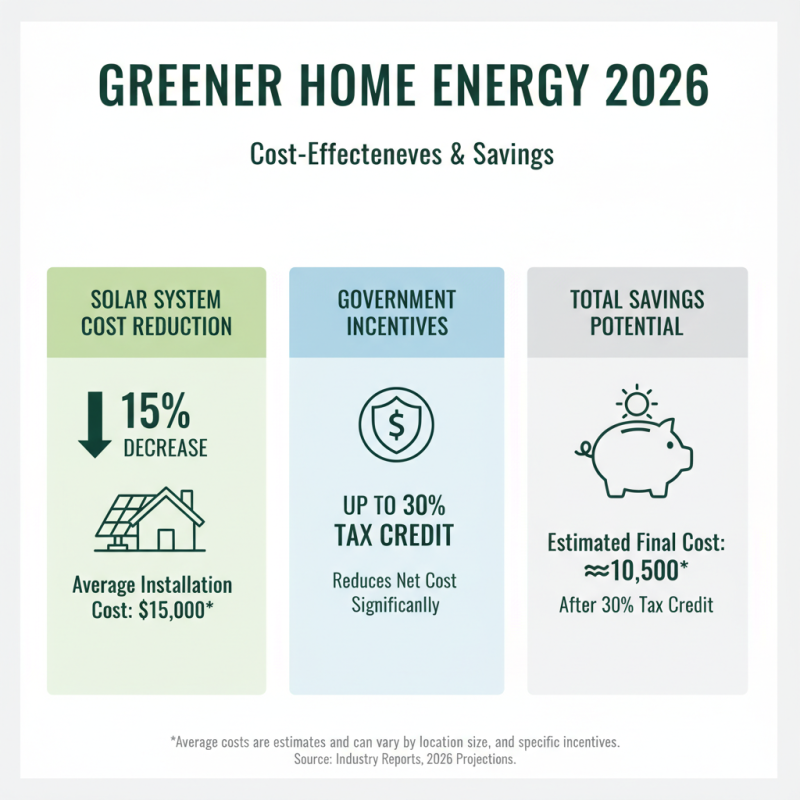
As homeowners look towards greener energy solutions in 2026, cost-effectiveness remains a top consideration. The average cost of a residential solar power system is predicted to drop by about 15% compared to previous years. According to industry reports, this brings the average installation cost to approximately $15,000 before incentives. In addition to installation savings, many states offer tax credits that can cover up to 30% of these costs, significantly improving financial viability.
Many homeowners overlook the long-term savings potential. A recent study estimates that solar energy can save an average household more than $1,500 annually on electricity bills. These savings can add up quickly, enabling homeowners to recoup their initial investment within 5-7 years. This timeline can vary based on factors like energy consumption and local utility rates.
Tips:
Consider checking local incentive programs before installation. These often enhance savings. Also, get quotes from multiple installers. This ensures you find the best price. A written review of contracts and specifications is also essential. Even small discrepancies can lead to significant costs later. Balancing savings with quality is key.