2026 Best Solar Power Solutions for Your Home?
As we look towards 2026, the demand for solar power solutions is soaring. Experts predict this trend will only grow. Dr. Emily Thompson, a leading authority in renewable energy, once stated, "Solar power is the future; it's time we embrace it." Her insights reflect the shifting landscape of energy consumption.
Homeowners are realizing the benefits of solar energy. By harnessing sunlight, families can reduce their electricity bills. Installing solar panels can be a substantial investment, yet it carries the promise of substantial savings. However, choosing the right solar power solution can be daunting. The market is flooded with options, each claiming to be the best. This realization urges consumers to research thoroughly.
Yet, not all products live up to their promises. Some systems may underperform or fail to meet homeowners’ needs. Thus, it's essential to assess your situation and consult experts. Solar power should not feel overwhelming. With the right guidance, it can transform your energy consumption for the better.
Overview of Solar Power Solutions Available in 2026
In 2026, solar power solutions continue to evolve rapidly. The International Energy Agency (IEA) reports that solar energy capacity could reach over 1,500 gigawatts worldwide. Homeowners now have more options than ever. Traditional solar panels remain popular, but new technologies are gaining traction.
Bifacial solar panels are a noteworthy development. They capture sunlight on both sides, increasing efficiency significantly. Some estimates suggest they offer a 20% higher energy yield. However, their installation costs can be higher. This raises a critical question: are they worth the investment?
Battery storage solutions have improved as well. Homeowners can now store excess energy generated during the day. The latest lithium-ion batteries have a lifespan of 10 years or more. Yet, they come with significant upfront costs. Adoption rates are still lagging behind expectations. This creates a gap between potential savings and actual implementation. As the market matures, addressing these concerns is vital for widespread acceptance.
Types of Solar Panels: Comparing Efficiency and Cost-Effectiveness
When considering solar power solutions, efficiency and cost-effectiveness are crucial. Two main types of solar panels are commonly evaluated: monocrystalline and polycrystalline. Monocrystalline panels are made from single crystal structures. They typically boast higher efficiency, often exceeding 20%. However, they can be more expensive to produce. This may lead to a longer payoff period for some homeowners.
In contrast, polycrystalline panels are constructed from multiple crystal fragments. They offer lower efficiency, generally around 15-18%. These panels are usually more affordable, making them accessible to a broader range of homeowners. The trade-off is apparent. If budget constraints are significant, polycrystalline could be a viable option. However, you might need more panels to meet energy needs. Installation space is another factor to consider.
Performance doesn't always match assumptions. Some might believe that higher efficiency guarantees better performance in real-world conditions. This isn't always the case. Shading, orientation, and overall climate can impact energy production. Choosing solar panels demands careful consideration. Reflecting on personal energy needs and financial capabilities is essential.
Innovative Solar Technologies: Features and Benefits
Innovative solar technologies are changing how we harness energy at home. One exciting feature is the development of solar shingles. They blend with your roof and look like traditional roofing materials. This design allows homeowners to embrace solar energy without compromising aesthetics. Their performance matches conventional panels, making them a smart choice. However, installation can be tricky and costly, which may deter some homeowners.
Another notable advancement is solar battery storage. These systems store excess energy generated during the day. This stored energy can be used at night or during cloudy days. It offers greater energy independence and reduces reliance on the grid. But the initial investment can be significant, raising questions about the long-term payoff. It's essential to analyze your energy needs before committing to such technology.
While the benefits are clear, the varying costs can make it challenging to decide on the right solar solution for your home.
Installation Considerations: Choosing the Right System for Your Home
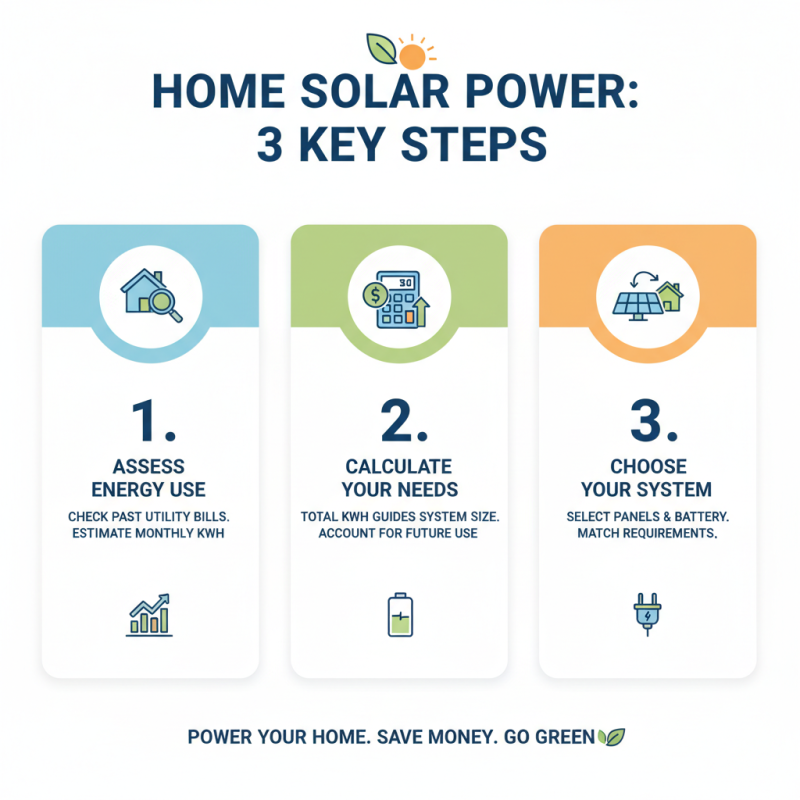
When choosing a solar power system for your home, it’s essential to consider your specific needs. Start by assessing your energy consumption. Look at past utility bills to estimate what you use. This number will guide you in selecting a system that meets your energy requirements.
Installation is another critical aspect. The roof is often the preferred location, but it’s not always straightforward. You need to check for structural integrity before installation. If your roof isn’t suitable, consider ground-mounted options. These may require more space and landscaping considerations. Also, evaluate local regulations. They can restrict installation types or methods.
Finally, be ready for maintenance. Solar systems generally require minimal upkeep, but it's important to clean the panels regularly. Dust, dirt, and other debris can reduce efficiency. Each type of system has its quirks. So before proceeding, do thorough research. Your choices today will impact your energy use for years to come.
Government Incentives and Rebates for Residential Solar Energy Systems
Government incentives for solar energy systems create exciting opportunities for homeowners. These programs often provide significant financial assistance, making solar power more accessible. Tax credits, rebates, and grants can significantly reduce installation costs. Many states offer local incentives that vary widely. Some homeowners might feel overwhelmed navigating these options.
Choosing the right solar power solution is complex. Different incentives apply based on location and system type. Homeowners must research thoroughly. They might miss out on valuable savings if they overlook programs. Documentation is critical. Incorrect or incomplete paperwork may delay funds or disqualify homeowners altogether.
The future looks bright for solar energy. Investing in solar power can yield long-term savings and environmental benefits. However, the process can induce stress and confusion. Seeking professional advice or resources may help clarify uncertainties. Homeowners should be diligent and make informed decisions about their energy future.
2026 Best Solar Power Solutions for Your Home
| Solar Solution |
Type |
Average Cost ($) |
Efficiency (%) |
Incentives Available |
Rebate Programs |
| Monocrystalline Panels |
Solar PV |
$15,000 |
20 |
25% Federal Tax Credit |
State Rebate Program |
| Polycrystalline Panels |
Solar PV |
$13,000 |
18 |
25% Federal Tax Credit |
Utility Company Incentives |
| Thin-Film Solar Cells |
Solar PV |
$12,000 |
15 |
25% Federal Tax Credit |
Local Government Grants |
| Solar Roof Tiles |
BIPV |
$30,000 |
19 |
25% Federal Tax Credit |
State Renewable Energy Programs |
| Hybrid Solar Systems |
Solar PV + Battery |
$25,000 |
22 |
25% Federal Tax Credit |
Grid Access and Incentives |