How to Choose the Best Solar Panels for Your Home?
Choosing the right solar panels for your home can feel overwhelming. Many options exist, each with unique features and benefits. Understanding these differences is crucial to making an informed decision. This guide will help you navigate the process effortlessly.
Solar panels for your home will impact energy bills for years. Prioritize efficiency, durability, and warranty when evaluating systems. Brand reputation also plays a role; some companies stand out for quality. However, don’t be swayed by flashy marketing. Real-world performance matters most.
You may find some solar panels not suitable for your specific roof type or climate. Research local solar incentives, as they can affect affordability. Ultimately, selecting the right solar panels requires careful thought. Embrace the challenge, and you’ll reap the rewards in energy savings and environmental benefits.
Understanding Your Home's Energy Needs for Solar Panel Selection
Understanding your home's energy needs is crucial when selecting solar panels. Begin by evaluating your monthly electricity consumption. The U.S. Energy Information Administration reports that the average American home uses about 877 kWh per month. Knowing this figure helps you determine how many solar panels you require.
Consider factors such as the size of your roof and its orientation. A south-facing roof typically maximizes sunlight exposure. However, many homes have unique layouts that might limit panel placement. A report by the National Renewable Energy Laboratory indicates that shading can reduce solar panel efficiency by up to 80%. This is critical to consider.
Assess your energy efficiency. Homes with better insulation and energy-efficient appliances need fewer panels. It’s also wise to think about your future energy use. Will you add electric vehicles or expand your home? This foresight can prevent under-sizing your solar system. Keep in mind that some homeowners underestimate their needs, leading to inadequate systems down the line. Balancing current and future requirements is essential for an effective solar panel selection.
Types of Solar Panels: Monocrystalline, Polycrystalline, and Thin Film
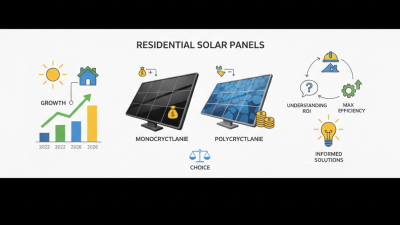
When selecting solar panels, understanding the types available is crucial. Monocrystalline panels are made from a single crystal structure. They are known for their high efficiency and sleek appearance. These panels perform well in limited spaces and have a longer lifespan. However, they can be more expensive than other options. Their performance in shading conditions may also not be as strong.
Polycrystalline panels, on the other hand, are made from multiple crystals. While less efficient than monocrystalline panels, they are often more affordable. They typically require more space due to their larger size. In some cases, their efficiency can drop on hot days. It's essential to weigh these factors based on your specific needs and budget.
Thin-film solar panels are a more flexible option. They are lightweight and can be installed on a variety of surfaces. Their efficiency is generally lower, which may require more panels to meet energy needs. One advantage is their performance in high temperatures; they can tolerate heat better. However, the shorter lifespan can be a drawback. Consider each type carefully before making your decision.
Comparative Analysis of Solar Panel Types
Evaluating Solar Panel Efficiency Ratings and Performance Metrics
When choosing solar panels, efficiency ratings are crucial. These ratings indicate how well a panel converts sunlight into electricity. High-efficiency panels might seem ideal, but their performance can vary in real-world conditions. Sunlight exposure, geographic location, and installation angles all matter. Sometimes, panels with moderate efficiency outperform others due to these factors.
Consider performance metrics as well. Degradation rate is key; it shows how much efficiency decreases over time. A low degradation rate means panels retain their power output longer. Don’t forget about warranty terms. They reflect the manufacturer's confidence in their product. Look for warranties lasting over 25 years. This longer coverage can often lead to better long-term investment.
Reflect on your unique situation, too. What works for one home may not work for another. Assess your roof size and sunlight access. If your roof has limited space, choosing highly efficient panels is wise. However, a larger roof may allow for less efficient options. Remember that solar energy is an investment. Take time to evaluate all aspects before making a decision.
How to Choose the Best Solar Panels for Your Home?
| Panel Type |
Efficiency (%) |
Power Output (W) |
Temperature Coefficient (%/°C) |
Warranty (Years) |
| Monocrystalline |
20.5% |
320 W |
0.35% |
25 |
| Polycrystalline |
17.5% |
275 W |
0.45% |
25 |
| Thin-Film |
12.5% |
100 W |
0.2% |
20 |
| Bifacial |
22.0% |
400 W |
0.3% |
30 |
Assessing Cost, Installation, and Warranty Options for Solar Panels
When assessing solar panels for your home, cost is a crucial factor. According to the Solar Energy Industries Association, the average cost of solar installations in the U.S. has dropped by about 70% since 2010. This makes solar energy more affordable than ever. However, the initial investment can still be significant, often ranging from $15,000 to $30,000. Before committing, consider various financing options. Some homeowners opt for loans or leases, while others may choose cash purchases.
Installation is another key element. A typical solar panel installation can take from a few hours to several days, depending on system size. It's vital to seek licensed and experienced installers. Poor installation can lead to issues like inefficiency and system failures. Reports indicate that improperly installed systems can underperform by 20% or more. Take the time to research potential installers’ reviews and compare experienced technicians.
Warranty options can vary widely among solar panels. Most panels come with a 25-year warranty, but this can differ based on the manufacturer. Some warranties cover only parts, while others include labor. Understanding what is covered can prevent unexpected costs later. Furthermore, it’s worth noting that the durability and longevity of panels can depend on the quality of materials used. Be cautious, as not all panels are created equal.
Researching Incentives and Rebates for Solar Panel Installation in Your Area
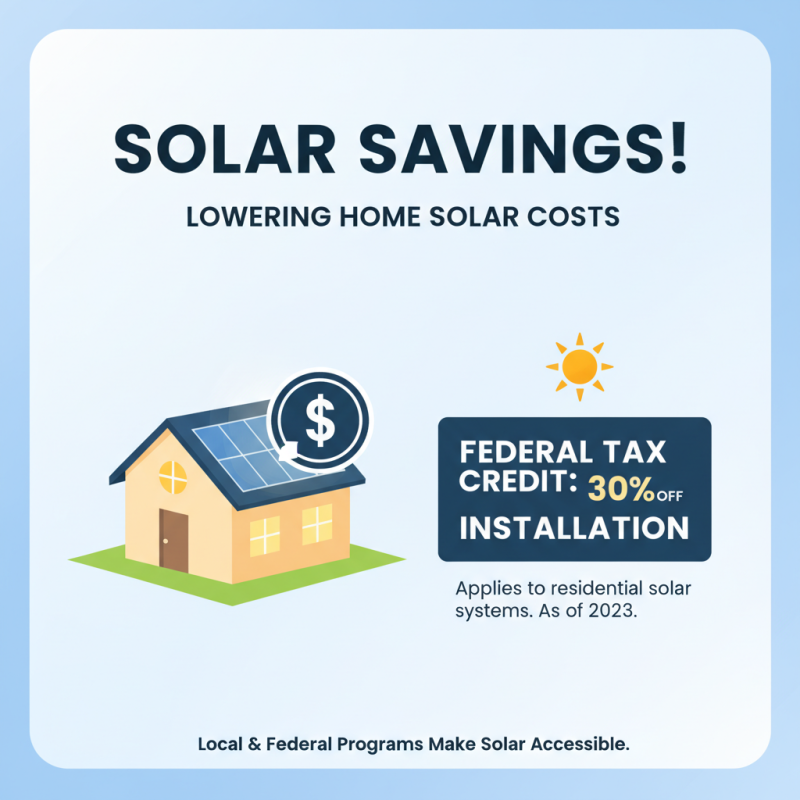
Researching incentives and rebates for solar panel installation can seem daunting. However, local and federal programs help homeowners add solar panels at lower costs. According to the Solar Energy Industries Association, as of 2023, homeowners who install solar systems can receive a federal tax credit that covers 30% of the installation cost. This can significantly lower the initial investment.
Local incentives can vary widely. For instance, some states offer cash rebates, while others provide property tax exemptions. In California, for example, a homeowner can receive rebates ranging from $1,000 to $3,000 depending on the system’s size. This information is crucial, as the financial benefits can influence your choice of solar systems. It might encourage you to invest in a more efficient model or a larger installation.
However, navigating these incentives can be confusing. Local programs may change frequently. Homeowners should spend time researching these opportunities and consulting local solar energy experts. They may find that some rebates have eligibility restrictions. Not being aware of these can lead to missed savings. It’s essential to remain informed about any upcoming changes to laws or programs in your area.