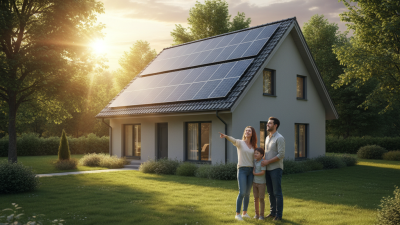
What Is the Best Type of Solar Energy Installation in 2026?
Choosing the best solar energy installation in 2026 depends on the site, electricity use, budget, and local rules. A rooftop system may suit a sunny, structurally sound roof with limited yard space. A ground-mounted array can offer easier access and flexible positioning, but it needs usable land and may require more preparation. Shared solar could help renters or homeowners with shaded roofs, where available. Battery storage adds resilience and supports evening use, but increases upfront costs. No setup wins everywhere. That distinction matters. A household with high daytime use may value direct solar production, while evening-heavy users may consider storage or a different electricity plan.
A useful comparison starts with actual electricity bills, roof shade, and the utility’s export-credit terms. Ask installers to document expected annual production, equipment warranties, assumptions, and the full installed price. Check their credentials and references, then compare detailed quotes. These steps do not guarantee savings. They make claims easier to assess. An experienced installer should explain trade-offs rather than promise a fixed payback without examining your property. In 2026, incentives, electricity rates, and export rules vary by location; verify current details with your utility and official sources. I would be cautious about calling any design “best” before checking those details. Broad guides have a blind spot: they cannot see a winter tree shadow, an aging roof, or a family’s changing routine. Request an estimate that states its assumptions, not just an attractive savings figure. The best choice is the one whose expected production, maintenance needs, and financing fit your property over time.
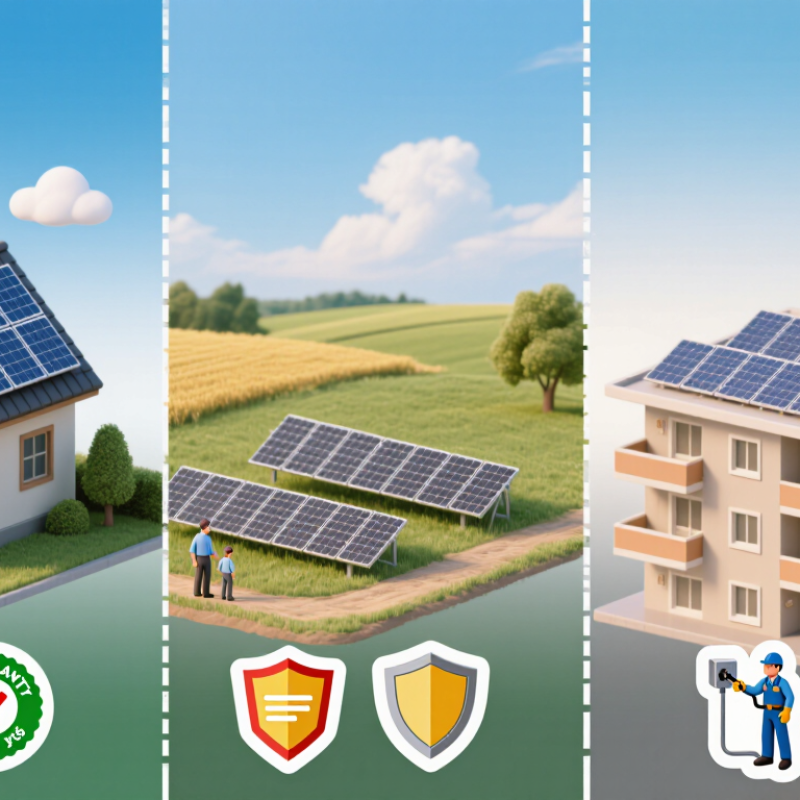
Define the 2026 Solar Installation Types: Rooftop, Ground-Mount, and Off-Grid
What Is the Best Type of Solar Energy Installation in 2026?
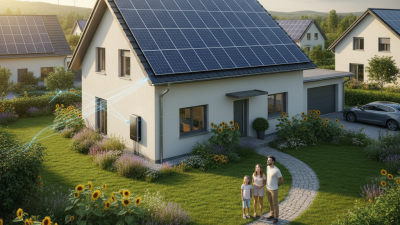
Rooftop solar uses an existing building surface, so it can suit homes with good sun exposure and limited yard space. Panels sit close to the meter, but roof age, shade, and structural strength matter. NREL’s 2016 assessment estimated 1,118 gigawatts of rooftop solar technical potential across the contiguous United States. That is a model, not a guarantee for every roof. A shaded dormer can change the practical result.
Ground-mount systems place panels on support frames in open land. They allow flexible orientation and easier access for cleaning or repairs, but need suitable space, stable soil, and careful drainage planning. IRENA’s Renewable Capacity Statistics 2024 reports that global solar capacity reached 1,419 GW in 2023, following 345.5 GW of additions. Growth is rapid. Still, a large array is not automatically the best fit when land is scarce or valuable.
Off-grid systems operate without a utility connection and pair panels with batteries and controls. They can serve remote cabins, farms, or sites where grid service is unavailable, but storage sizing is critical. Designers should estimate seasonal demand, cloudy-day coverage, and essential loads, such as refrigeration or water pumps. Cutting battery capacity may lower upfront cost, yet leave too little reserve. That trade-off deserves a careful review.
Measure Market Growth: IRENA Reports 452 GW of Solar Added in 2024
IRENA reports that solar capacity grew by about 452 gigawatts worldwide in 2024. That figure describes newly installed power capacity, not electricity generated during the year. The distinction matters. Solar panels produce different amounts of electricity depending on sunlight, orientation, temperature, and local grid conditions. Still, the scale of additions shows how quickly solar is becoming a central part of energy planning.
So, what is the best type of installation in 2026? There is no universal winner. Rooftop systems can suit homes with clear, sturdy roofs and daytime electricity use. Ground-mounted arrays may work better where suitable land is available and larger output is needed. In either case, a careful site assessment should consider shading, roof condition, seasonal sunlight, and the cost of connecting to the grid.
The 452 GW figure is encouraging, but it can hide local limits. A fast-growing global market does not guarantee that every project is practical or affordable. A household might see a neighbor’s panels performing well, then discover that its own roof faces heavy afternoon shade. That is easy to overlook. Compare expected production with actual electricity use, and ask for assumptions behind any estimate. The best installation is the one that fits the site and remains useful over time.
Compare Costs: IRENA Puts 2024 Utility-Scale Solar LCOE at $0.043/kWh
IRENA reported a global weighted-average LCOE of $0.043 per kilowatt-hour for utility-scale solar projects commissioned in 2024. LCOE estimates generation costs over a project’s lifetime. It is not a household electricity tariff. For large buyers, this benchmark makes grid-connected solar worth comparing in 2026. Local sunlight and transmission access still matter. Scale matters.
That figure is a useful reference, not a guaranteed price for a new installation. Financing costs, equipment, land, grid connections, and delays can change project economics. The estimate also cannot show whether solar output matches local demand. A rooftop array may suit a home with limited space or high daytime use, even when its cost per kilowatt-hour exceeds utility-scale generation. The cheapest option on paper is not always the best fit.
Tips: Compare local quotes using the same system size and expected output. Ask whether grid upgrades, storage, and maintenance are included. Check the assumptions behind projected savings, especially electricity prices and financing. Small details matter. And a forecast can be wrong. That uncertainty deserves a place in the decision.
What Is the Best Type of Solar Energy Installation in 2026?
Compare 2024 global weighted-average electricity costs across renewable technologies (USD/kWh).
Utility-scale solar PV averaged $0.043/kWh in 2024, according to IRENA. This is a global benchmark for newly commissioned projects, not a quote for a specific installation; actual costs vary by location, financing, and system design.
Source: International Renewable Energy Agency (IRENA), Renewable Power Generation Costs in 2024. Values shown are global weighted-average LCOE.
Assess Site, Grid Access, Storage Needs, and Local Rules
The best installation depends on the property, not just the annual sunshine.
A roof system can suit a home with solid roofing, limited shade, and a nearby grid connection. A roof replacement due soon may make ground-mounted panels or a later installation more practical. Small details matter. Check the afternoon shade from trees, roof orientation, and space for equipment before comparing quotes.
IRENA’s Renewable Capacity Statistics 2024 reports that global solar capacity reached about 1,419 GW in 2023, showing how widely the technology is being deployed.
That growth does not mean every site is suitable.
Grid access and local rules can change the calculation.
Berkeley Lab’s Queued Up report found about 2,600 GW of generation and storage capacity awaiting grid connection in U.S. interconnection queues at the end of 2023. This is not a measure of household connection delays, but it highlights why local grid capacity deserves an early check. Battery storage may help households that need backup power or face limits on exporting electricity; it also adds cost and space requirements. Ask the utility about connection terms, and check local permitting, fire-access rules, and export compensation.
I would not treat a polished production estimate as a promise: real shade, weather, and utility limits can reduce usable output.
Select the Best-Fit Installation by Cost, Reliability, and Available Space
The best solar installation in 2026 depends on your electricity use, budget, and usable space. A grid-connected rooftop system often costs less because it uses an existing roof and usually avoids batteries. It can work well where sunlight is steady and outages are uncommon. But roof age, orientation, and afternoon shade can reduce its value. A hybrid system adds battery storage, which raises upfront costs but can keep selected circuits running during outages. Ground-mounted panels offer flexible placement and easier access for maintenance. They need clear land, though, and site preparation can add expense.
Tips: Ask for a shade assessment and a written estimate showing equipment, labor, and expected output. Check whether your roof may need repairs before installation. Compare the proposed system with your recent electricity bills, not a generic household estimate.
For reliability, ask how the system handles outages and what maintenance its components need. Battery capacity should match essential loads, such as a refrigerator, lights, and a router—not every appliance by default. If space is tight, a smaller rooftop system may be more practical than forcing a large design onto a shaded roof. There is no perfect choice. Estimates also rely on assumptions, and real production can differ with weather and site conditions.