Top 10 Benefits of Solar Energy for Global Buyers?
Solar energy has emerged as a vital solution in the fight against climate change. Its benefits extend beyond environmental impact. For global buyers, investing in solar energy can lead to significant savings and energy independence. The transition to solar not only reduces utility bills but also enhances property value.
Many businesses are now recognizing the potential of solar energy. By harnessing sunlight, they can power their operations sustainably. This shift can create a positive public image and attract eco-conscious consumers. Importantly, the reliability of solar technology has improved over the years, making it a feasible option for many.
However, challenges remain. Initial installation costs can be a barrier for some. Additionally, understanding local regulations is crucial. Some regions may not have incentives for solar adoption. Overall, weighing these factors is essential for making informed decisions about solar energy investments. Ultimately, the path to adopting solar energy requires careful consideration and planning.

Advantages of Solar Energy in Reducing Energy Costs for Consumers
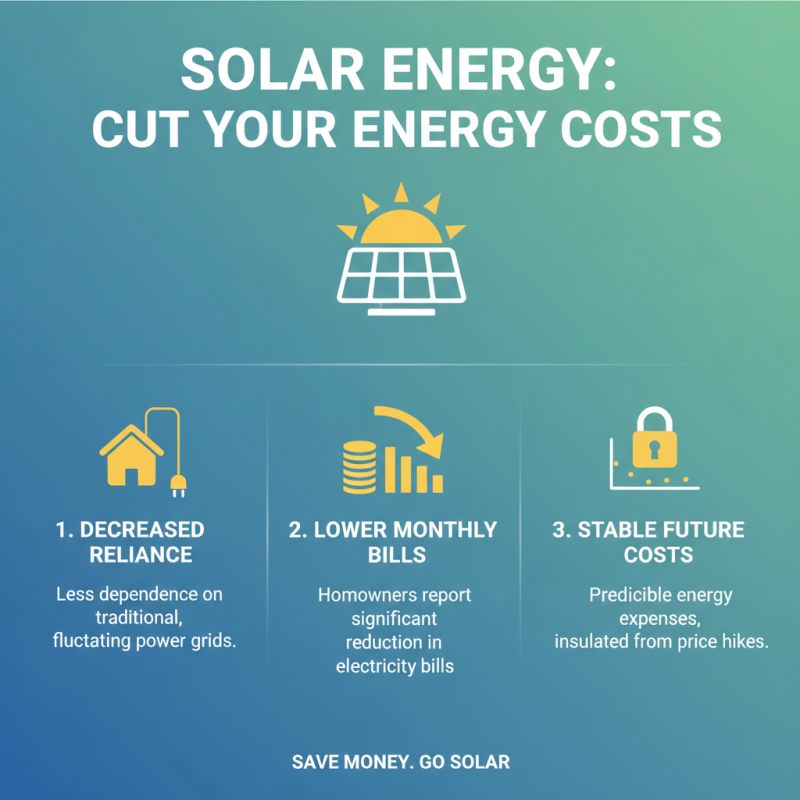
Solar energy offers significant benefits in reducing energy costs for consumers. One of the most compelling aspects is the decreased reliance on traditional power sources. With rising electricity prices, solar provides a viable alternative. Homeowners report lower monthly bills after installing solar panels. This shift not only saves money, but it also stabilizes future energy costs.
In many cases, regional incentives can further enhance savings. Tax credits and rebates are common, making solar more accessible. Some consumers find that their initial investment pays off within just a few years. Yet, there are still barriers such as up-front installation costs and the need for proper maintenance. Consumers must weigh these factors carefully.
The environmental benefits tie directly to cost savings. By generating your own power, you contribute less to climate change while cutting down on your energy bills. However, some may struggle to navigate the complexities of solar technology. Education and reliable information are key in making informed decisions. Exploring these options can lead to better financial outcomes and a healthier planet.
Environmental Benefits of Solar Energy: A Path to Sustainable Living
Solar energy plays a crucial role in promoting sustainable living. It reduces greenhouse gas emissions significantly. Using solar panels can lower carbon footprints. This is vital in combating climate change. Every kilowatt-hour generated from solar power decreases reliance on fossil fuels. The transition to solar energy leads to cleaner air and a healthier environment.
Solar installations can lead to habitat disruption. Careful planning is needed to minimize this impact. However, the long-term benefits often outweigh these concerns. Solar farms can coexist with agriculture and wildlife. When executed correctly, they contribute to local ecosystems. Moreover, recycling of solar panels is essential for sustainability.
Investing in solar energy fosters energy independence. It can reduce energy costs significantly. The reliance on traditional energy sources often leads to volatility in prices. Solar energy provides stability and predictability. This shift may challenge existing energy power structures. However, the potential for community-driven solar solutions is promising. This can empower individuals and communities in their energy choices.
Enhancing Energy Independence through Solar Power Adoption
Adopting solar power can significantly enhance energy independence for individuals and nations alike. Countries investing in solar energy reduce their reliance on imported fossil fuels. This shift not only stabilizes energy prices but also promotes local job creation. In many regions, solar panels can be installed on rooftops, providing a practical way to harness clean energy. Homeowners experience lower electricity costs and increased property value.
In addition to financial benefits, solar energy contributes to environmental sustainability. It reduces greenhouse gas emissions, supporting global efforts to combat climate change. While some argue that solar energy requires significant initial investment, the long-term savings often outweigh these costs.
It is crucial to analyze local conditions, such as sunlight availability and installation costs, to make informed decisions. Transitioning to solar isn’t without challenges. Technical knowledge and infrastructure development are necessary for widespread adoption. Communities must prioritize education and training to build a workforce capable of supporting this energy transition.
The Role of Solar Energy in Mitigating Climate Change Effects
Solar energy plays a crucial role in combating climate change. The Intergovernmental Panel on Climate Change (IPCC) states that transitioning to solar energy could reduce global greenhouse gas emissions by up to 70% by 2050. With over 2,500 terawatt-hours (TWh) of electricity derived from solar in 2021, the potential for growth remains significant.
Electricity generated from solar panels produces minimal emissions, making it an eco-friendly choice. During its lifecycle, solar energy systems emit about 20 times less CO2 than fossil fuels. This drastic emission reduction is essential. However, the production and disposal of solar panels can also impact the environment. Striking a balance between these effects is necessary.
Tip: Consider local solar incentives. Many governments offer rebates or tax credits for solar installations, making it more affordable. Research these options in your region. Evaluating the efficiency of different solar technologies is also vital. Each type has distinct environmental impacts. This knowledge will help you make informed choices while supporting sustainability initiatives.
Long-Term Economic Gains from Investing in Solar Energy Solutions
Investing in solar energy brings significant long-term economic gains. The initial costs can be high, presenting a challenge for many. However, over time, the savings on energy bills can accumulate. On average, households using solar energy can save thousands each year. These figures demonstrate the real impact of making the switch.
Additionally, solar energy systems require low maintenance. This aspect reduces ongoing costs and increases savings. Many regions also offer incentives for solar installations. Such programs can significantly lower upfront investment. This means buyers can access this sustainable technology with reduced financial risk.
Despite some limitations, such as weather dependency, solar energy remains reliable. As technology advances, efficiency continues to improve. Investing in solar is not just an eco-friendly choice; it’s a smart financial decision. Buyers must consider both immediate costs and long-term benefits. An informed approach can lead to a more sustainable and profitable energy future.
Top 10 Benefits of Solar Energy for Global Buyers