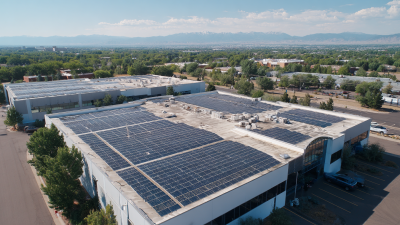
Why Choose Solar Panels for Your Business Benefits Explained
As businesses seek sustainable solutions, solar panels for business emerge as a powerful option. They provide significant long-term financial savings. Many companies have reduced their energy bills dramatically by harnessing solar energy. The upfront investment may seem daunting at first, but numerous incentives help ease this burden.
Embracing solar panels not only benefits finances but also enhances corporate image. Customers appreciate environmentally conscious businesses. Implementing solar energy can set a company apart from competitors. However, it is essential to consider costs and installation challenges.
Choosing the right solar solution requires careful planning and expert advice. A business must assess energy needs and potential savings. With the right guidance, the transition can lead to substantial rewards. Investing in solar energy may be challenging, but it paves the way for a sustainable future.
Understanding the Financial Benefits of Solar Panels for Businesses
Solar panels offer significant financial benefits for businesses.
According to the Solar Energy Industries Association (SEIA), commercial solar installations grew by 35% in 2020. This rapid growth suggests a shift in business attitudes toward renewable energy. The initial investment may seem high, but federal tax credits can offset up to 26% of installation costs. This can lead to savings that improve cash flow in the long run.
Many companies have reported reductions in energy costs. A study by the National Renewable Energy Laboratory found that businesses with solar systems see a 75% decrease in energy expenses after installation. Moreover, solar panels can increase property value. A report from Zillow shows that homes with solar panels sell for 4.1% more on average. Businesses can leverage this advantage, enhancing their asset portfolio.
However, not all installations guarantee a smooth return on investment. Factors like location and energy needs vary. Some businesses might face challenges in maintaining or financing projects. It's crucial to assess local incentives and energy prices. Engaging with energy consultants can help navigate these complexities. Thorough research and planning can lead to a successful solar investment, proving the financial benefits truly exist.
Environmental Impact: How Solar Energy Supports Sustainability Goals
Solar energy is transforming how businesses approach sustainability. By installing solar panels, companies can significantly reduce their carbon footprint. According to the U.S. Department of Energy, businesses can cut greenhouse gas emissions by nearly 40% when utilizing solar energy. This shift not only aids the environment but also helps meet corporate sustainability goals. As pressure grows for businesses to act responsibly, solar energy becomes a crucial element.
Consider the financial aspects. A study by the International Renewable Energy Agency found that solar energy can reduce electricity costs by up to 90%. Investment in solar pays off in the long run. Businesses, while saving costs, also gain a competitive edge. Sustainability can draw eco-conscious consumers.
Tip: Evaluate your energy needs before choosing solar solutions. Not every system is one-size-fits-all. It’s important to analyze the unique energy requirements of your business.
Another aspect to reflect on is maintenance. Solar systems require less upkeep, but they aren’t completely maintenance-free. Periodic check-ups are necessary for optimal performance. Staying informed about technological advancements in solar energy might also save costs in the future.
Tip: Research local incentives for solar installation. Many governments offer rebates or tax benefits, making implementation more affordable. Embracing solar energy supports both corporate profits and the planet’s health.
Enhancing Business Reputation Through Renewable Energy Adoption
Adopting solar panels can significantly enhance a business's reputation. When a company chooses renewable energy, it shows a commitment to sustainability. This choice resonates well with eco-conscious consumers. They appreciate brands that prioritize environmental responsibility. The image of a green business can attract new customers. It sets a company apart in a crowded market.
Moreover, solar energy adoption sends a message to stakeholders. Employees feel proud to work for a sustainable organization. This pride can improve morale and retention. Positive public perception often leads to increased customer loyalty. Yet, many businesses hesitate due to perceived costs or complexity. It’s essential to weigh the long-term benefits against initial concerns.
Transitioning to solar is not without challenges. Companies might face installation hurdles or maintenance issues. However, these obstacles can lead to valuable lessons. Reflecting on the process can foster innovation. Embracing renewable energy is not just a trend; it’s a responsibility. In the end, the decision can redefine a business's identity and its role in promoting a sustainable future.
Long-Term Savings: Reducing Operational Costs with Solar Panels
Solar panels bring numerous benefits to businesses. One of the most significant advantages is long-term savings. By utilizing solar energy, companies can significantly reduce their operational costs. The initial investment may seem substantial, but the return on investment is substantial over time.
When businesses install solar panels, they generate their own electricity. This leads to lower utility bills each month. In addition, many countries offer tax incentives and rebates for solar energy use. These can further diminish costs. The price of electricity rises each year, but solar energy provides stability. Thus, businesses can avoid fluctuating energy expenses.
However, transitioning to solar is not without challenges. There can be unexpected costs in installation or maintenance. Businesses may also face regulations that complicate the installation process. It’s crucial to assess the specific energy needs before making a decision. Thoughtful planning can help mitigate potential pitfalls. In the end, careful consideration of these factors allows businesses to enjoy the full benefits of solar while navigating possible challenges.
Why Choose Solar Panels for Your Business Benefits Explained
| Benefit |
Description |
Estimated Savings |
| Reduced Electricity Bills |
Solar panels generate your own electricity, reducing reliance on grid power. |
Up to 50% savings annually |
| Tax Incentives |
Various federal and state tax credits available for solar installations. |
20-30% of installation costs |
| Low Maintenance Costs |
Solar panels require minimal maintenance after installation. |
Annual maintenance < $200 |
| Increase Property Value |
Properties with solar panels often sell for more than those without. |
Increased value by 4-6% |
| Energy Independence |
Greater control over energy costs and usage without reliance on outside sources. |
Variable savings, depends on grid prices |
Government Incentives for Businesses Going Solar: What You Need to Know
When considering solar panels for your business, understanding government incentives is crucial. Many programs are in place to support businesses transitioning to solar energy. These incentives can significantly lower installation costs and improve return on investment. Tax credits, rebates, and grants are common offerings. For instance, a federal tax credit allows businesses to deduct a percentage of their solar installation costs from their taxes.
While these incentives are valuable, navigating them can be complex. Requirements often vary by region and program. Some businesses might miss out on savings simply due to oversight. Researching local and federal programs is vital to maximize financial benefits. Consulting with professionals familiar with these incentives can provide clarity and guidance.
Moreover, it is essential to consider the long-term impact of adopting solar energy. While the initial investment might seem daunting, the potential savings on energy bills can be significant. Companies should keep in mind the evolving landscape of solar incentives. Staying informed about changes can influence decision-making in the future. Balancing immediate costs with potential benefits is key to making the right choice.
Benefits of Solar Panels for Businesses