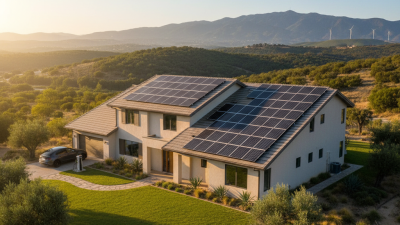
2026 Top Solar Power System Buying Guide for Global Buyers
Buying a solar power system in 2026 requires more than comparing panel prices. Global buyers must assess sunlight, electricity demand, storage needs, local grid conditions, and installation quality. A system that performs well in Spain may underperform in a dusty, humid region. Climate changes everything.
This guide combines practical buying experience with current technical knowledge. It explains how to compare photovoltaic modules, inverters, batteries, mounting structures, monitoring tools, and after-sales support. Readers will also find guidance on efficiency ratings, usable battery capacity, degradation, warranty terms, safety certifications, and installer qualifications. Product claims should be checked against recognized testing bodies and official documentation. Marketing language is not engineering evidence.
Real projects often reveal details that brochures overlook. A rooftop may have partial shade after 3 p.m. A battery cabinet may need protection from heat and rain. Replacement parts may take weeks to reach a remote market. These small issues can affect total ownership costs. They deserve attention.
No guide can remove every uncertainty. Electricity prices, import rules, financing conditions, and technology costs may change during the project. A carefully planned system can still need adjustment after monitoring begins. That is not failure; it is useful feedback. Buyers should record energy production, battery performance, and maintenance events from the first month.
The goal is a reliable decision, not the largest advertised capacity. With transparent specifications, qualified professionals, and realistic energy expectations, buyers can choose a system that supports long-term savings, resilience, and responsible energy use across different markets.
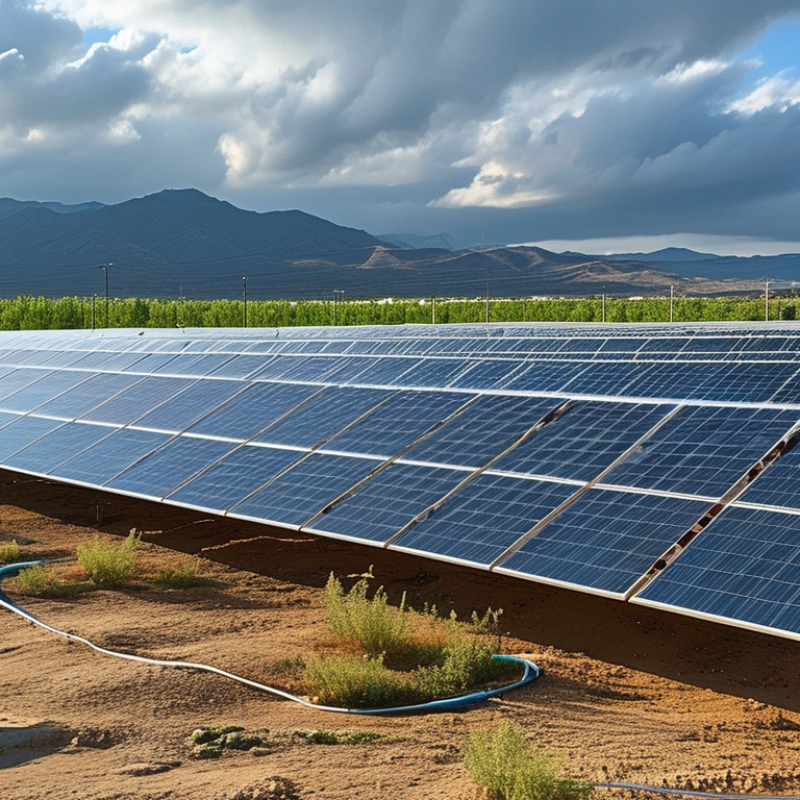
Classify Solar Systems and Market Scale (IEA: Global PV Exceeded 2 TW in 2024)
The International Energy Agency reported that global photovoltaic capacity exceeded 2 TW in 2024. This scale changes how buyers should classify solar systems. A system may be grid-tied, off-grid, or hybrid. It may also be residential, commercial, or utility-scale. These categories describe different design priorities.
Grid-tied systems usually reduce electricity bills and export surplus power where regulations allow. Off-grid systems need batteries, backup generation, and careful load planning. Hybrid systems combine grid access with storage for outages or peak-price periods. A 5 kW rooftop array may serve a small home, while a 100 MW project requires land studies, grid interconnection, and long-term maintenance planning. The choice matters.
Experienced buyers should compare usable energy, not only panel capacity. Check annual sunlight, battery depth of discharge, inverter efficiency, warranty conditions, and local service skills. Ask for measured performance data from similar climates. A coastal site needs stronger corrosion protection. A dusty inland site may require frequent cleaning and wider maintenance access. These details affect lifetime cost.
Market growth can create confusing product claims. Certification is important, but it does not replace engineering review. I once underestimated the effect of evening demand in a storage estimate. The battery looked large on paper, yet winter autonomy remained weak. Solar sizing is never perfect. Recheck assumptions.
Size Loads, PV Yield, and Storage (NREL: 0.5% Median Annual Degradation)
Buying a solar power system in 2026 starts with your loads, not panel count. Review twelve months of electricity bills, then separate daytime, evening, and seasonal demand. Measure it honestly. A workshop, heat pump, or electric vehicle can change the design quickly.
NREL reports median annual PV degradation of about 0.5% in its widely cited analysis. This is a fleet-level median, not a promise for every installation. At that rate, a system may retain roughly 88% of its initial output after 25 years, before other losses. Heat, humidity, salt air, shading, and poor ventilation can increase degradation. Real sites differ. Request a yield estimate using local solar data, roof orientation, temperature, and shading. Ask how the calculation treats inverter losses and future performance.
Storage should match your evening loads and backup priorities. Compare battery capacity with usable energy, not only the advertised nameplate. A battery may cover lights, refrigeration, and internet overnight, but not heavy heating equipment for long periods. Keep a reserve for outages, if permitted and appropriate. One practical mistake is oversizing storage while underestimating daytime consumption. I would also question highly precise forecasts. Weather, cleaning, wiring, and user habits remain uncertain. Choose a design with clear assumptions, measured commissioning data, and a monitoring plan that reveals performance changes early.
Compare Hardware and Battery Economics (BNEF: $115/kWh Pack Price in 2024)
Buying a solar power system in 2026 requires more than comparing panel wattage.
For battery buyers, one figure deserves attention: BloombergNEF reported an average lithium-ion pack price of $115 per kWh in 2024. That is a pack-level benchmark, not a delivered home-system price. An installer may add cells, enclosure, battery management, inverter capacity, shipping, labor, taxes, and compliance testing. Costs vary sharply by region. Pack price is only the starting point.
Compare usable capacity, not advertised capacity.
A 10 kWh battery may provide less after reserve limits and conversion losses. Ask for round-trip efficiency, continuous output, cycle warranty, degradation terms, and replacement conditions. Also check whether the system supports backup loads or only reduces grid purchases. Peak power matters. An electric cooker and water pump can overwhelm a small inverter, even with a large battery. Review ingress protection, operating temperature, safety certification, monitoring functions, and service response times.
Use local solar data and hourly electricity tariffs before choosing battery size.
In a hot climate, ventilation and temperature control can affect long-term performance. In a weak-grid area, backup capability may matter more than maximum daily savings. An honest quote should separate hardware, installation, permits, taxes, and expected maintenance. The $115 benchmark is useful, but it can create false confidence. Falling pack prices do not guarantee cheaper installed systems, and a larger battery can remain underused for much of the year.
Assess Costs and Returns (Lazard 2024: Utility PV LCOE $29–92/MWh)
For global buyers planning a 2026 solar project, levelized cost of energy offers a useful starting point. Lazard’s 2024 Levelized Cost of Energy analysis places utility-scale solar PV at $29–92 per MWh. That range is wide. It reflects differences in financing, sunlight, land, grid access, construction costs, and storage requirements.
A project producing 1,000 MWh annually could therefore show a basic energy cost between $29,000 and $92,000 per year. This is not a final electricity bill. LCOE excludes some costs, including transmission upgrades, taxes, curtailment, and balancing services. Buyers should request a location-specific model before comparing supplier proposals.
IRENA’s Renewable Power Generation Costs in 2023 report, published in 2024, reported a global weighted-average utility-scale solar PV LCOE of about $44 per MWh. It also recorded a 12% year-on-year decline. These figures support strong long-term economics, but they can encourage unrealistic expectations. Capital may cost more in emerging markets. Permitting can take longer than planned. Weather and grid delays can reduce actual output.
A practical assessment should include annual yield, degradation, operating costs, insurance, inverter replacement, and financing terms. Test conservative and optimistic scenarios. A five-year payback estimate may look attractive, yet it can weaken when interest rates rise or production falls. Local electricity prices and contract structure often influence returns more than panel efficiency alone.
Check Standards, Suppliers, and Warranties (IEC 61215; IEC 62109)
When buying a solar power system in 2026, standards deserve more attention than sales claims. IEC 61215 evaluates the design quality and durability of terrestrial photovoltaic modules. It covers stress tests involving heat, humidity, mechanical loads, and electrical performance. IEC 62109 addresses safety requirements for power converters used in photovoltaic systems, including inverter protection and operating risks.
Ask every supplier for current test reports, certificates, and the exact product model tested. A certificate for one module series may not cover another configuration. Check the testing laboratory, report date, rated power, and factory location. Supplier reliability also depends on traceability. Request serial-number records, production controls, spare-parts plans, and documented quality inspections. A polished website is not evidence.
Warranty wording needs careful reading.
Separate the product warranty from the performance warranty, then examine exclusions, transport duties, labor coverage, and claim deadlines. Ask who pays when a failed inverter is located in a remote project. That detail matters. Review the promised degradation rate and the method used to measure it. Some contracts appear generous but limit remedies sharply. I once underestimated this point during a procurement comparison; the cheapest offer became harder to manage after installation. Buyers should also verify local grid requirements, installer qualifications, and insurance conditions before signing. Standards reduce risk, but they do not replace factory audits or independent technical review.